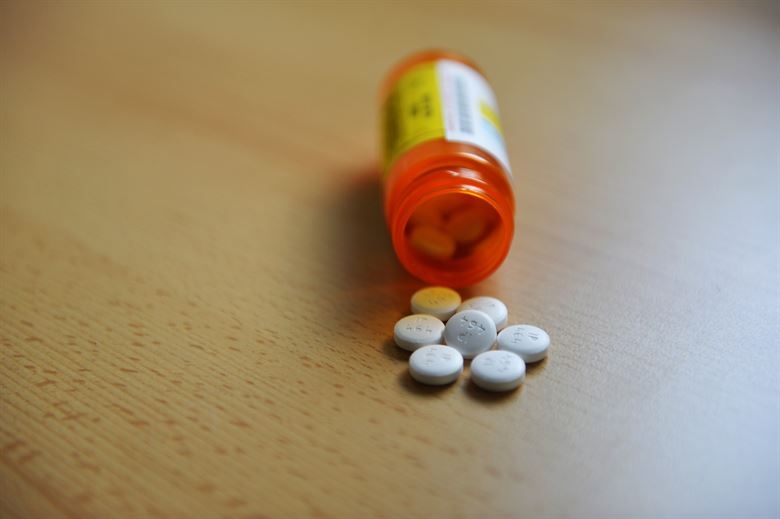

Kenya has launched a five-year strategy aimed at expanding domestic production of medicines, vaccines, diagnostics and medical devices while strengthening the country’s regulatory systems…reports Asian Lite News Desk
Kenya has unveiled a five-year strategy to expand domestic manufacturing of medicines, vaccines, diagnostics and medical devices as the country seeks to strengthen health security, reduce dependence on imports and enhance the quality of locally produced health products.
The Kenya Health Products and Technologies Local Manufacturing Strategy 2026-2030 was officially launched on June 23 by Principal Secretary for Medical Services Dr Ouma Oluga, alongside representatives from government, industry and development partners. The roadmap outlines measures to increase local production capacity while strengthening regulatory systems to ensure medicines and medical products meet international standards of safety, quality and effectiveness.
The launch comes as President William Ruto, serving as the African Union Champion for Local Manufacturing, continues to advocate for greater pharmaceutical self-sufficiency across the continent.
“It sits at the heart of Africa’s health security and sovereignty agenda,” Ruto said while speaking at a Kenya-hosted side event during the African Union Assembly in Addis Ababa in February 2026.
Kenya already occupies a significant position in Africa’s pharmaceutical industry. It is the continent’s third-largest exporter of pharmaceutical products and the largest supplier within the Common Market for Eastern and Southern Africa (COMESA), accounting for nearly half of the regional market.
More than 37 licensed pharmaceutical manufacturers currently produce 694 medicine formulations, including paracetamol and other essential generic medicines, supplying both the domestic market and neighbouring countries such as Tanzania, Uganda, Rwanda and Somalia.
The country’s pharmaceutical exports increased from Sh12.2 billion in 2022 to Sh19.9 billion in 2024, representing a 63 per cent rise in two years. Universal Corporation Limited also became the first African company to receive World Health Organization (WHO) prequalification for a lifesaving antimalarial medicine.
Despite these gains, Kenya continues to rely heavily on imported medicines. An estimated 70 to 80 per cent of the pharmaceuticals consumed in the country are imported, exposing the healthcare system to supply chain disruptions such as those experienced during the COVID-19 pandemic and Mpox outbreaks.
Kenya’s health products market is valued at approximately 1.2 billion US dollars annually, with more than 760 million dollars spent on imported products. Local manufacturers currently produce only about 20 per cent of the medicines included on the country’s Essential Medicines List and operate at less than half of their installed production capacity.
Under the new strategy, the government aims to increase utilisation of existing manufacturing facilities to 70 per cent by 2030, support manufacturers in achieving internationally recognised Good Manufacturing Practice standards and introduce multi-year procurement commitments to encourage greater domestic supply to Kenya’s public health system.
The strategy also prioritises vaccine production. In February 2026, Kenya joined the WHO-Medicines Patent Pool mRNA Technology Transfer Programme, under which the Kenya BioVax Institute is developing local capacity to manufacture vaccines against COVID-19, malaria, tuberculosis and other infectious diseases.
Speaking at the launch, WHO Representative a.i. to Kenya Dr Neema Rusibamayila Kimambo stressed that expanding production must be matched by stronger regulatory oversight.
“As Kenya expands local manufacturing, quality must remain at the centre of every step of the journey. The success of this Strategy will depend not only on increasing production, but also on ensuring that health products consistently meet the highest standards of quality, safety and efficacy. Expanding production capacity and strengthening regulatory systems must go hand in hand.”
As part of these efforts, Kenya has begun developing a National Action Plan on Substandard and Falsified Medical Products. The Ministry of Health convened the plan’s first Interministerial Steering Committee on July 1, bringing together regulators, law enforcement agencies and development partners to coordinate a national response.
According to the WHO, around one in every 10 medical products in low- and middle-income countries is either substandard or falsified, posing serious risks to patient safety and undermining confidence in health systems.
The strategy also commits to strengthening the Pharmacy and Poisons Board to achieve WHO Maturity Level 3, an internationally recognised benchmark expected to improve the credibility and regional competitiveness of medicines manufactured in Kenya.
WHO supported the development of both the manufacturing strategy and the national action plan by providing technical guidance on regulatory strengthening, quality assurance and implementation.
Highlighting the strategy’s long-term goals, Dr Kimambo said: “The true value of this Strategy will not be measured by the document we launch today. It will be measured by the factories that expand production, the jobs that are created, the medicines that become more accessible, the health systems that become more resilient, and, ultimately, the lives that are improved.”