
DR Congo has recorded more than 8,000 confirmed Ebola cases, with nearly 3,900 deaths as health authorities battle sustained transmission across seven provinces….reports Africa Daily News Desk
Confirmed Ebola cases in the Democratic Republic of the Congo (DRC) have surpassed 8,000, with the World Health Organisation (WHO) warning that the outbreak remains widespread, geographically expanding and marked by sustained transmission.
As of Saturday, the country had recorded 8,067 confirmed cases and 3,901 deaths, giving the outbreak a case fatality rate of 48.4 per cent, according to the latest government situation report released on Monday.
A total of 2,070 patients have recovered, Xinhua News Agency reported.
In its latest Disease Outbreak News published on Friday, the WHO said the number of new cases reported each day remained high, although transmission intensity varied considerably between affected provinces and health zones.
“The continuously high case fatality ratio, and especially the continuous high rate of deaths occurring in communities, highlights the seriousness of the disease and the persistent challenges in timely case detection and access to early and adequate patient care,” the WHO said.
Ituri Province remains the epicentre of the outbreak, although transmission patterns differ across the affected areas.
According to the WHO, incidence in Ituri had gradually declined from a peak recorded in mid-August. However, North Kivu Province experienced a substantial increase, reaching its highest reported level in mid-September.
Sustained transmission has also continued in Haut-Uele Province, while renewed transmission activity has been reported in Tshopo Province.
The outbreak has now affected 63 health zones across seven provinces, according to the WHO.
The UN health agency said the latest geographical expansion, including newly affected areas in Sud-Ubangi and Haut-Uele, had increased the risk of cross-border transmission.
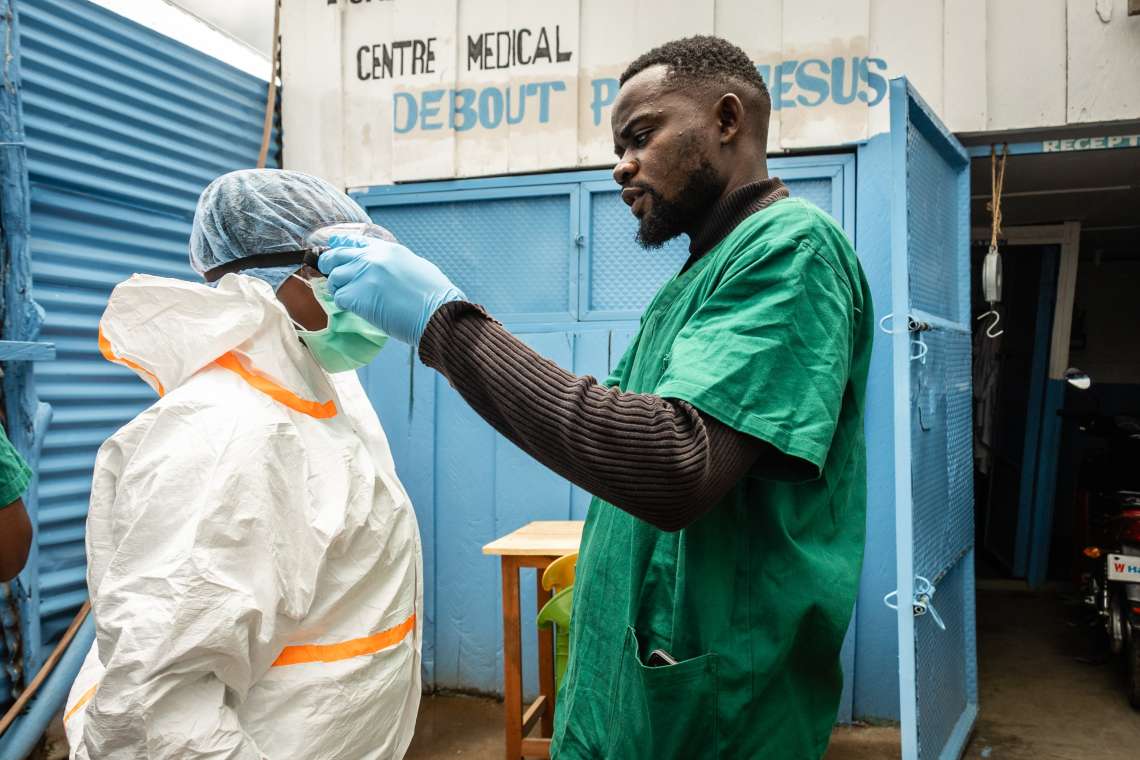
The continued spread has added pressure on health authorities and response teams working to identify cases, trace contacts and provide timely treatment.
The high proportion of deaths occurring within communities has also highlighted persistent challenges in detecting infections early and ensuring patients can access adequate care in time.
The outbreak, which was declared in May, has developed into the largest and deadliest Ebola outbreak ever recorded in the DRC and the second-largest Ebola outbreak globally, after the 2014-2016 epidemic in West Africa.
The latest figures underline the scale of the health emergency as authorities and international partners continue efforts to contain transmission and prevent further geographical spread.