
WFP says Ethiopia’s humanitarian needs are rising as insecurity, inflation and El Nino-related weather disruptions put further pressure on vulnerable communities….reports Africa Daily News Desk
The United Nations World Food Programme (WFP) has warned that Ethiopia is facing deepening humanitarian pressures as insecurity, climate shocks and economic difficulties increase food security risks and a severe funding shortfall threatens relief operations.
In its latest Ethiopia country brief, the WFP said the country, which has a population of about 140 million, continues to pursue an ambitious economic reform programme aimed at supporting long-term growth and development.
However, the agency said persistent inflation, insecurity, displacement and climate-related shocks were placing additional pressure on households.
Despite the economic reform efforts, these challenges “continue to erode household resilience and heighten food security concerns”, the WFP said.
The agency also highlighted the impact of El Nino-related rainfall disruptions, warning that they could affect the October-to-January harvest and worsen drought conditions in several parts of the country.
The Afar, Amhara, Tigray and Oromia regions are among those facing increased food security risks, with humanitarian needs expected to rise further through 2027.
In preparation for potential climate-related emergencies, the WFP has developed plans for a phased response in Afar, Amhara and Tigray.
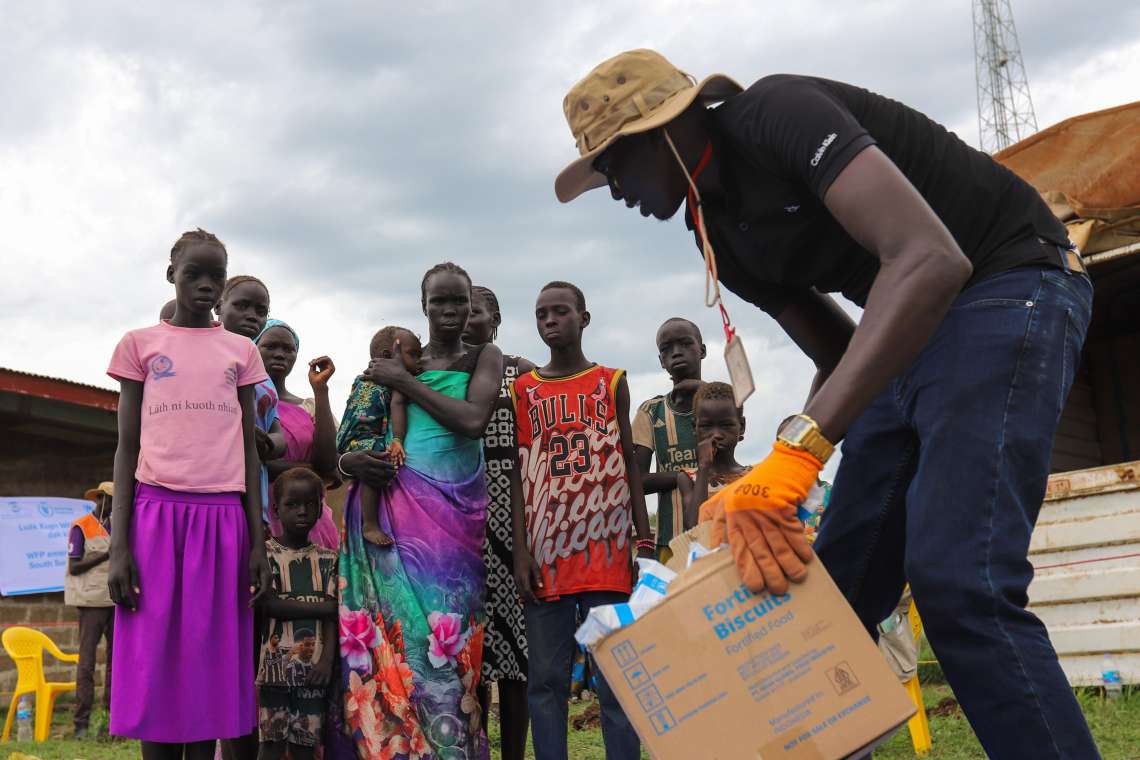
The emergency response, which began in September, is expected to target about 1.43 million people.
The agency said its operations assisted around 1.9 million people in August as it continued to prioritise communities facing the highest levels of food insecurity and vulnerability.
However, the scale of the humanitarian response is being constrained by a major funding gap.
The WFP said its country portfolio is only 46 per cent funded for the period from October 2026 to March 2027, leaving a net funding requirement of $251 million.
The agency warned that “a severe funding shortfall” is hampering its life-saving operations at a time when food insecurity, displacement and climate-related needs are increasing.
Although government capacity to respond to emergencies continues to strengthen, the WFP said funding shortages were creating growing risks for humanitarian operations.
The agency also raised concerns over worsening insecurity in several regions, which it said was restricting supply routes and causing delays in delivering assistance to communities in need.
The disruption to transport and supply networks adds another challenge to humanitarian operations in a country where vulnerable populations are already facing the combined effects of economic pressures, displacement and climate shocks.
The WFP said its emergency relief efforts remain focused on the most food-insecure and vulnerable populations.
Ethiopia is also among Africa’s largest refugee-hosting countries, with more than 1.13 million refugees and asylum-seekers currently in the country.
The refugee population has been affected by continuing instability in neighbouring countries, particularly Sudan and South Sudan, which have contributed to ongoing arrivals.
The WFP said the combination of humanitarian needs inside Ethiopia and continued refugee inflows is placing additional demands on relief operations.
With climate risks expected to continue affecting food production and insecurity constraining access to some areas, the agency said adequate funding would remain critical to maintaining assistance to vulnerable communities.
The warning comes as Ethiopia continues its economic reform programme while dealing with multiple humanitarian pressures across different regions.