
The United Nations has warned that terrorism, organised crime and humanitarian challenges continue to threaten stability across West Africa and the Sahel….reports Africa Daily News Desk
The United Nations has warned that the security situation across West Africa and the Sahel remains deeply concerning, with terrorist groups expanding their reach, humanitarian needs rising and organised crime posing growing threats to regional stability.
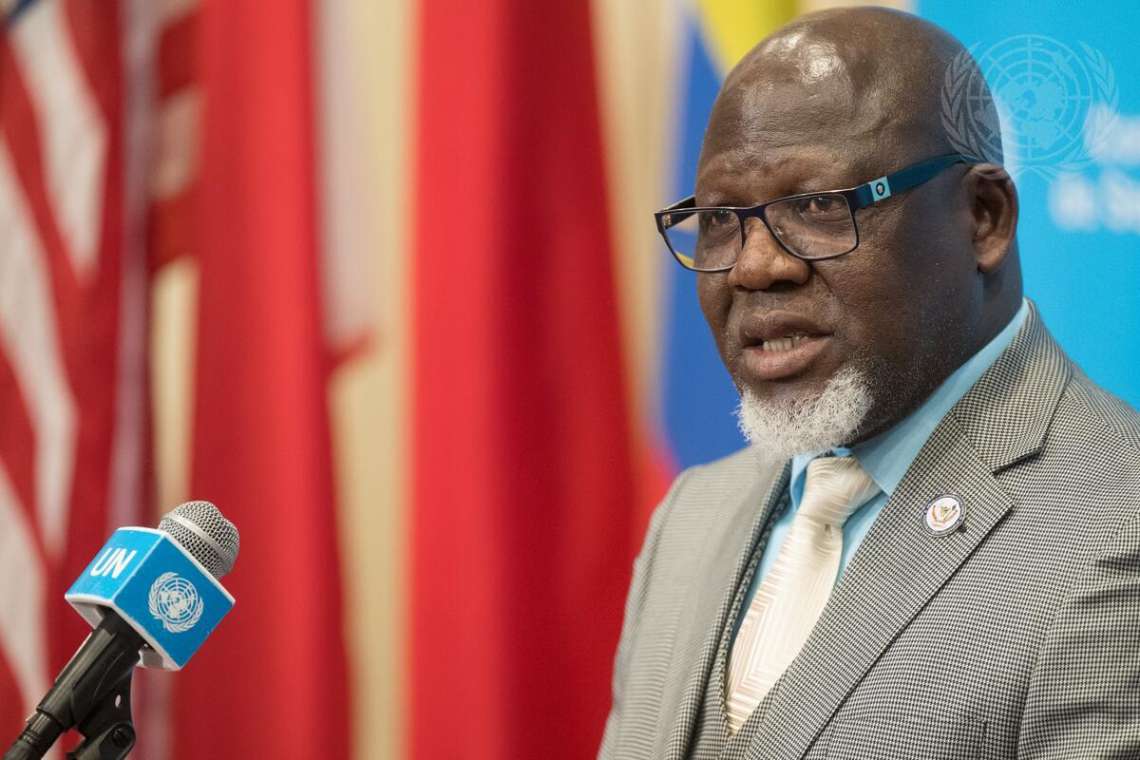
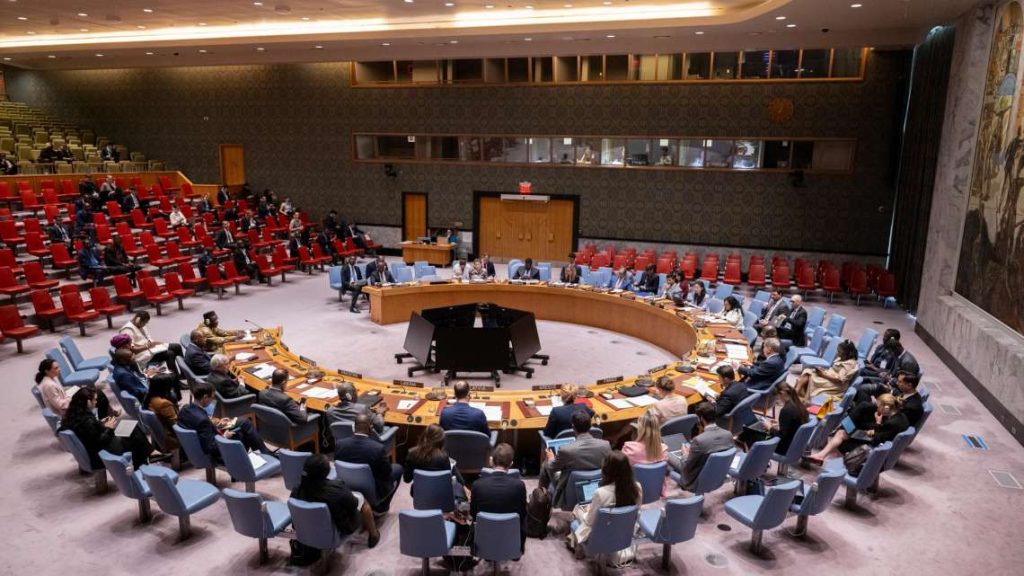
Presenting the Secretary-General’s report on the activities of the United Nations Office for West Africa and the Sahel (UNOWAS) to the UN Security Council, the UN’s Special Representative said the region is witnessing three key trends: a worsening security environment, renewed momentum for regional dialogue and cooperation, and continued democratic developments.
The official said terrorist and other non-state armed groups continue to pose an acute threat, particularly in the central Sahel and northern Nigeria, while increasingly targeting coastal states along the Gulf of Guinea. These groups are adopting advanced technologies, including drones, sophisticated communication systems and cryptocurrencies, while coordinating attacks across national borders and strengthening links with transnational organised crime.
The report highlighted a series of major attacks across the region, including coordinated assaults launched on April 25 by Jama’a Nusrat ul-Islam wa al-Muslimin (JNIM) and the Front de Libération de l’Azawad (FLA) against strategic locations in Mali, resulting in civilian and military casualties, including the death of the country’s Defence Minister. The attacks also disrupted key supply routes and damaged electricity and water infrastructure.
In Niger, terrorist attacks targeted Niamey’s airport and a military base in Tahoua between January and June, while further attacks were reported in the Tillabéri and Diffa regions. Burkina Faso also continued to face frequent assaults, including drone-enabled attacks, prompting authorities to announce plans to recruit 100,000 reservists and around 12,000 military personnel by the end of 2026. Nigeria’s northern states and Middle Belt likewise experienced persistent violence, kidnappings and heavy civilian casualties.
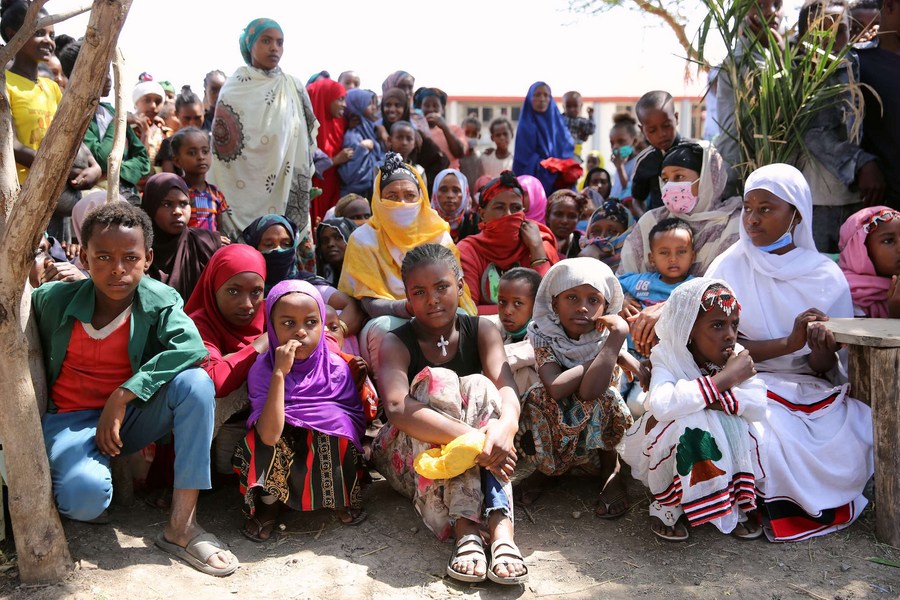
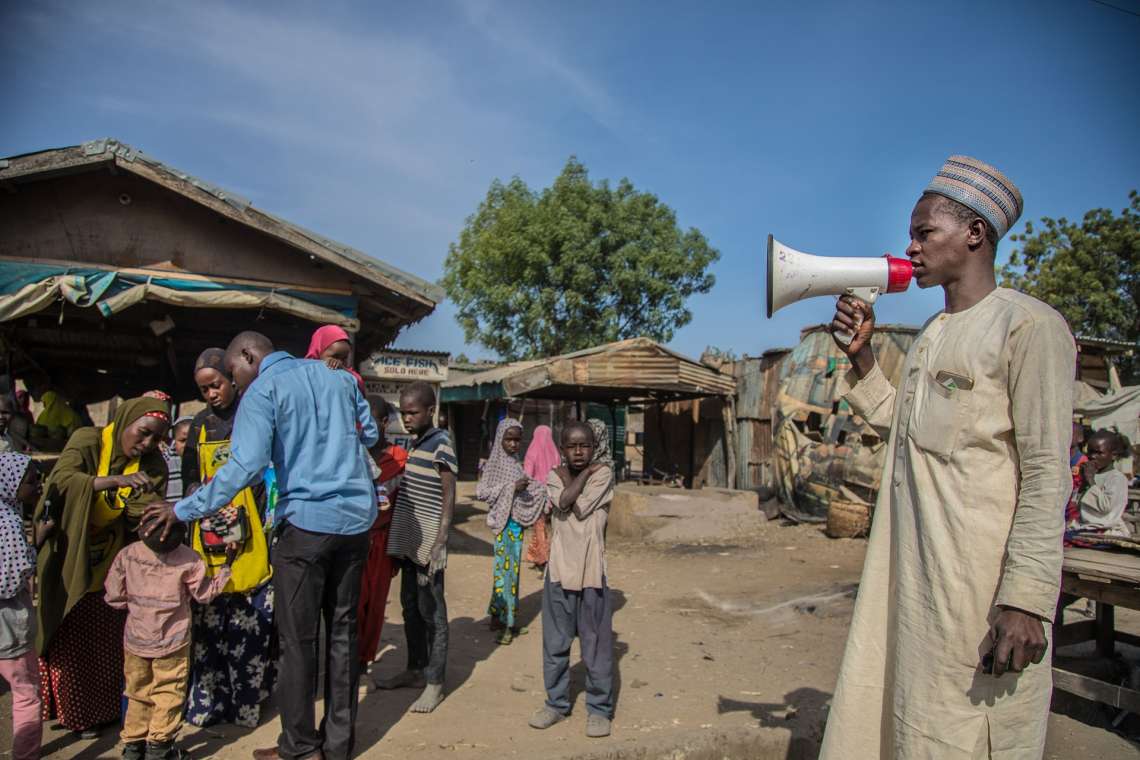
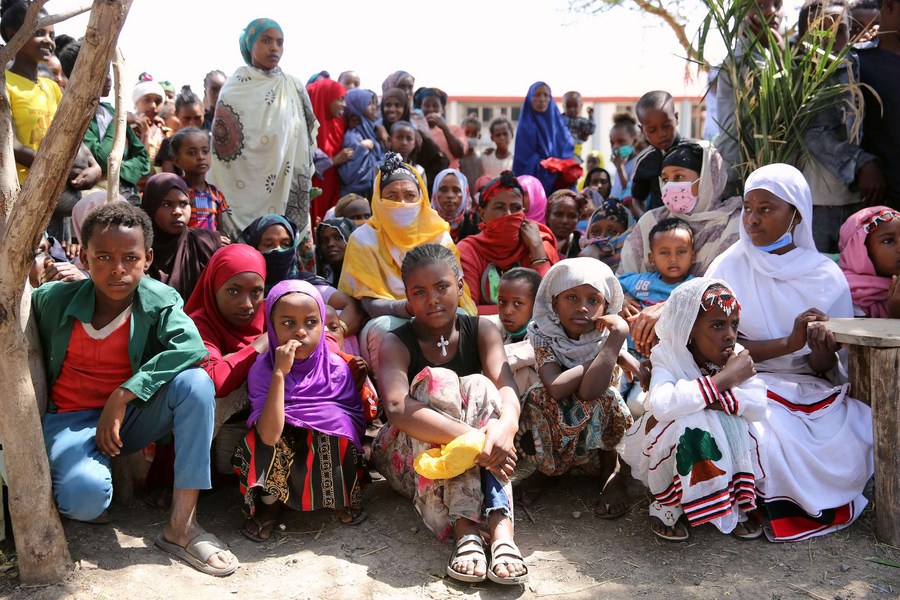
The UN said the humanitarian impact of the violence continues to worsen. As of the end of February, around 6.8 million people were internally displaced across the region, while approximately 1.28 million refugees and asylum seekers remain displaced, including about 220,000 in Benin, Côte d’Ivoire, Ghana and Togo.
The report also noted a sharp increase in the number of Burkinabè migrants in Liberia, rising from around 40,000 in 2025 to nearly 140,000, placing additional strain on host communities, land resources and public services.
Alongside terrorism, the UN warned that drug trafficking, production and consumption are expanding rapidly across the region, particularly in coastal states. Young people are among the most affected, while there are also reports of narcotics being used by terrorist groups. Drug syndicates are also said to be undermining political and public institutions in several countries.
Despite these challenges, the report pointed to renewed diplomatic engagement across the region. ECOWAS is preparing for a summit in Sierra Leone on July 19 focused on the future of regional integration, while consultations between ECOWAS and the Alliance of Sahel States (AES) are continuing. Countries including Senegal and Togo are also working to bridge regional differences, with the African Union playing an increasingly active role in promoting dialogue.
The UN highlighted several recent diplomatic breakthroughs, including the reopening of the Kamba border crossing between Niger and Nigeria, improved engagement between Benin and the AES countries, mediation efforts in Sierra Leone, and moves by Mali and Algeria to restore diplomatic relations.
The report also noted positive democratic developments, with peaceful elections held in Benin, Cabo Verde, Côte d’Ivoire and Guinea, alongside governance reforms in countries including Ghana, The Gambia, Senegal and Mauritania.
The UN stressed, however, that military responses alone would not resolve the region’s instability. It called for greater investment in economic development, education, climate resilience, governance and humanitarian assistance to tackle the root causes of conflict.
Concluding the briefing, UNOWAS reaffirmed its commitment to supporting peace, constitutional governance and regional cooperation, while noting that an independent strategic review of its mandate is currently under way to ensure the mission remains effective in responding to the region’s evolving challenges.