
ECOWAS health experts meet in Abidjan to strengthen regional preparedness and coordinate faster responses to disease outbreaks…reports Africa Daily News Desk
West African countries are stepping up efforts to strengthen preparedness and coordination against epidemics and other public health emergencies, with regional health experts meeting in Abidjan to develop a new framework for disease response.
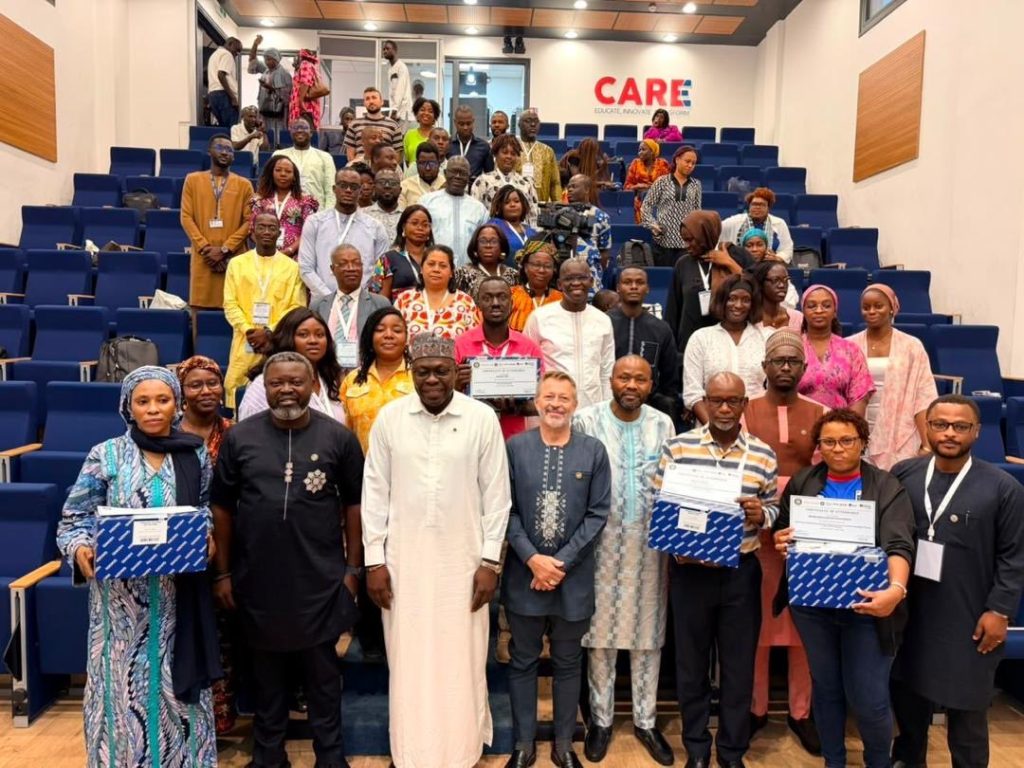
Health officials, representatives of Economic Community of West African States (ECOWAS) member states and technical partners are attending a four-day workshop that began on Tuesday. The meeting is focused on technically validating the third Regional Strategic Plan for Epidemic Preparedness and Response and other Public Health Emergencies of the ECOWAS Regional Centre for Surveillance and Disease Control (RCSDC).
The proposed plan is expected to provide a framework for regional action between 2027 and 2031, with a focus on strengthening health security, improving early detection and ensuring faster responses to outbreaks.
“West Africa has faced health crises of exceptional magnitude in recent years,” Mamadou Samba, Cote d’Ivoire’s Director General of Health, said on behalf of the country’s Minister of Health and Public Hygiene.
“No country can effectively address health emergencies on its own. Prevention, early detection and an effective response require both strong national health systems and regional coordination,” Samba said, according to Xinhua News Agency.
He said the Abidjan meeting would help establish a stronger regional approach to dealing with health emergencies and improve cooperation between national authorities and regional institutions.
The region continues to face a range of infectious disease threats, including yellow fever, meningitis, cholera, measles and viral haemorrhagic fevers. According to Mamadou Diarrassouba, Executive Director of the ECOWAS RCSDC, these risks are increasingly being compounded by climate change and zoonotic threats.
The renewed focus on preparedness comes as health authorities across Africa remain alert to the risk of Ebola spreading beyond affected areas.
In June, ECOWAS said member states were strengthening preparedness and prevention measures to reduce the possibility of Ebola virus disease being imported into West Africa.
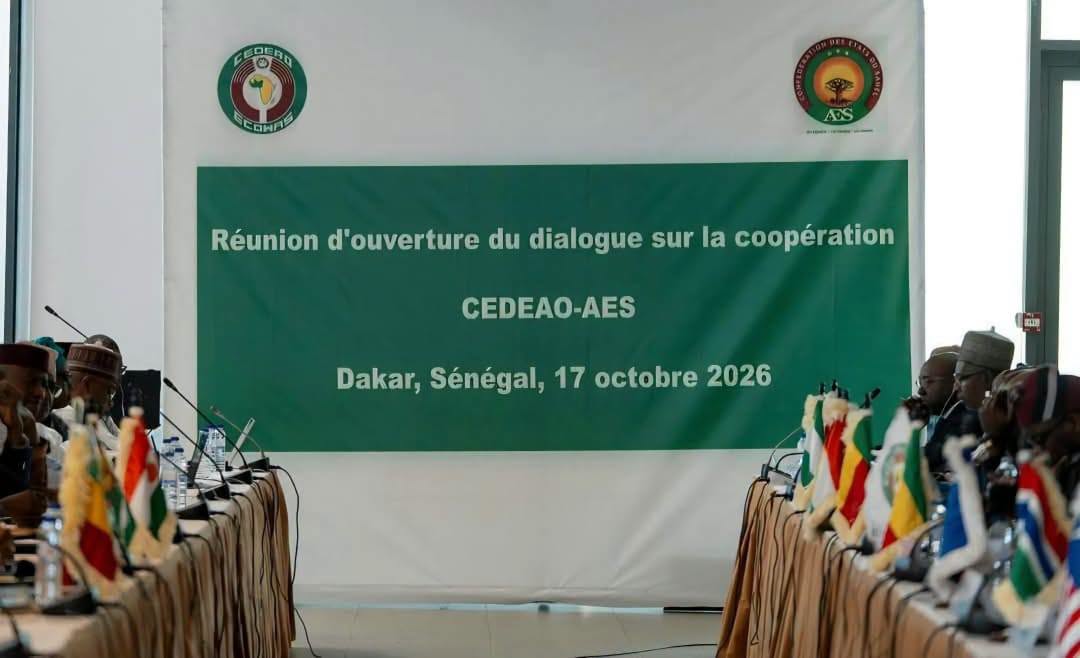
“Even though the risk assessment shows that West Africa remains relatively spared at this stage, we must remain vigilant,” Diarrassouba said during a meeting of experts on Ebola preparedness and response strategies in Dakar, Senegal.
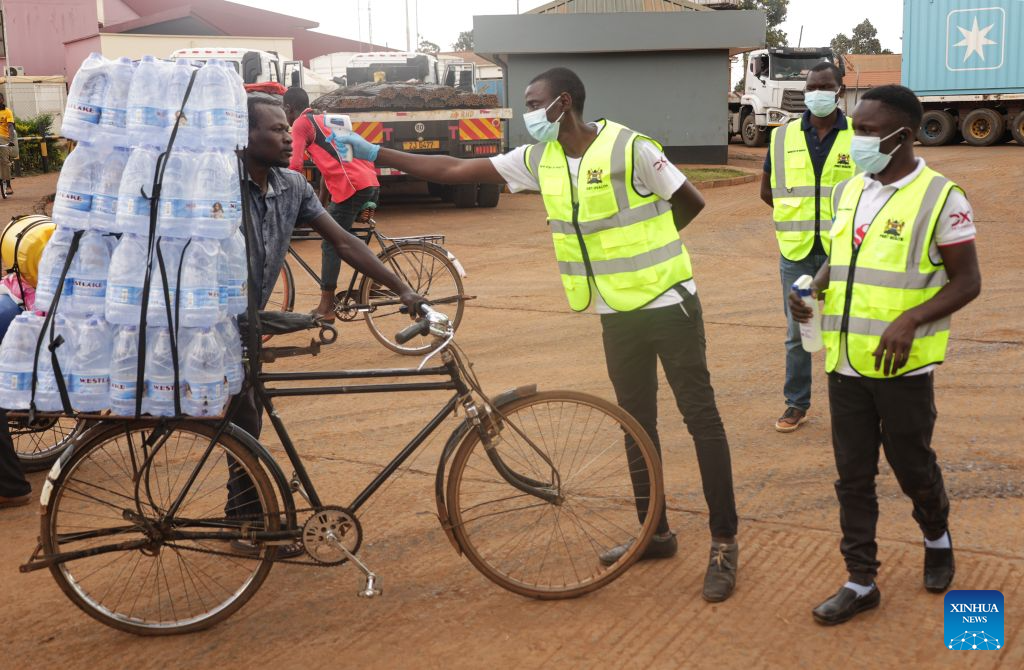
ECOWAS member states have activated contingency plans and strengthened surveillance at airports, border posts and other strategic points of entry following the Ebola outbreak reported in the Democratic Republic of the Congo and Uganda.
The measures are intended to improve the early detection of suspected cases and ensure that countries can respond quickly if the virus reaches the region.
Diarrassouba also pointed to the lessons of the 2014-2016 Ebola epidemic, which devastated parts of West Africa and exposed major weaknesses in health systems.
He stressed that “preparedness costs less than response”, highlighting the importance of investing in surveillance, emergency planning and health infrastructure before outbreaks escalate.
The 2014-2016 Ebola epidemic, which primarily affected Guinea, Liberia and Sierra Leone, was the deadliest Ebola outbreak recorded at the time. It killed more than 11,000 people and placed enormous pressure on healthcare systems across the affected countries.
The experience also demonstrated how quickly infectious diseases can cross borders and disrupt economies, communities and essential health services.
Against this backdrop, ECOWAS officials are seeking to strengthen regional coordination and ensure countries can share information and resources during future outbreaks.
The new strategic plan is expected to address preparedness and response measures while reinforcing cooperation between national health authorities, regional institutions and technical partners.
Officials have emphasised that stronger surveillance and early action will be essential as West Africa faces a changing health threat landscape shaped by infectious diseases, climate-related risks and increasing interactions between humans and animals.
The Abidjan workshop is therefore aimed not only at responding to current threats but also at establishing a longer-term regional system capable of detecting and containing future epidemics before they develop into major public health crises.