
WHO chief Tedros Adhanom Ghebreyesus warns the Ebola epidemic in DRC remains far from controlled, with cases spreading rapidly and crossing borders….reports Africa Daily News Desk
The World Health Organisation (WHO) has warned that the Ebola epidemic in the Democratic Republic of the Congo (DRC) remains a high risk for further spread within the country and across international borders, as the outbreak has become the second-largest Ebola epidemic ever recorded.
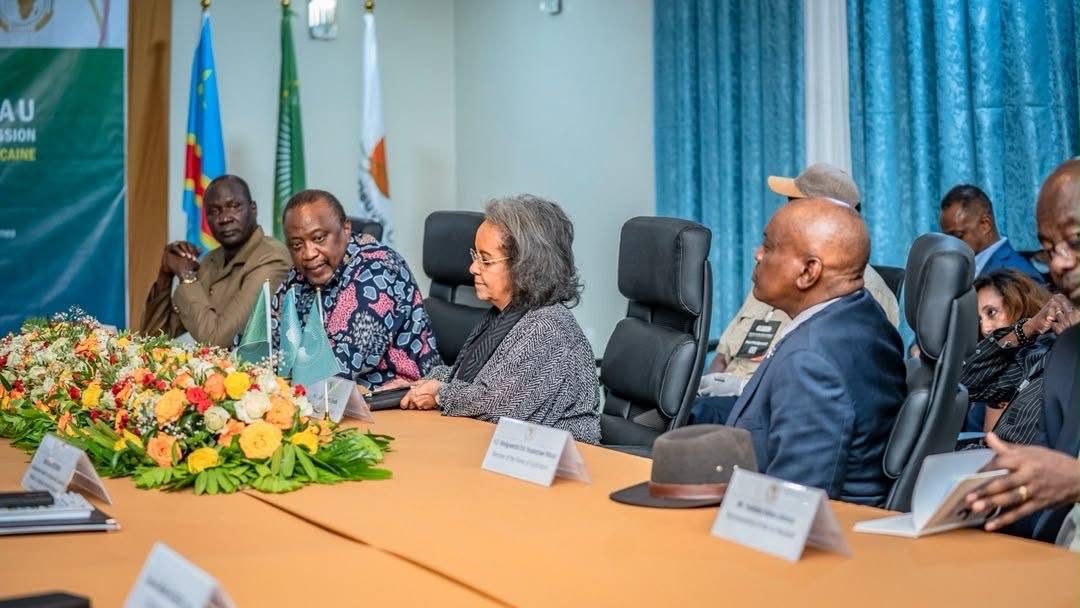
WHO Director-General Tedros Adhanom Ghebreyesus issued the warning on Tuesday while opening the second meeting of the emergency committee convened under the International Health Regulations.
Tedros said nearly 5,000 people had been infected and more than 2,300 had died across six provinces and 55 health zones since he declared the outbreak a public health emergency of international concern three months ago.
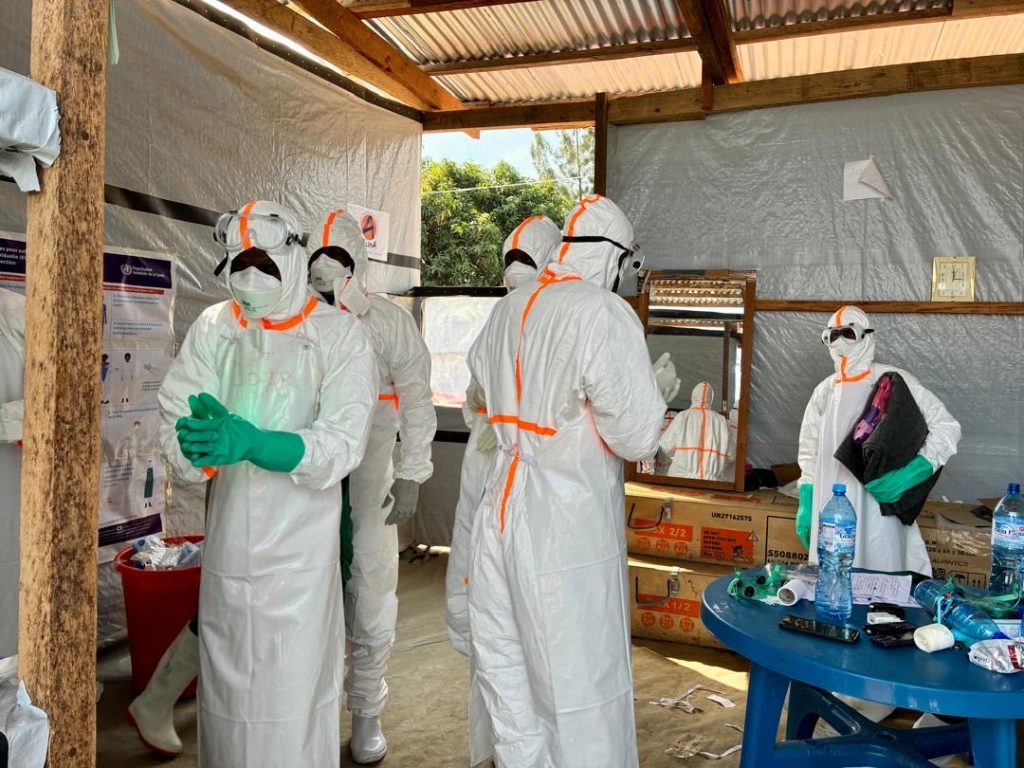
“The epidemic is far from being under control,” Tedros told committee members, alongside representatives from the DRC, Uganda and France. “It had a big head start, and we are still playing catch-up,” Xinhua News Agency reported.
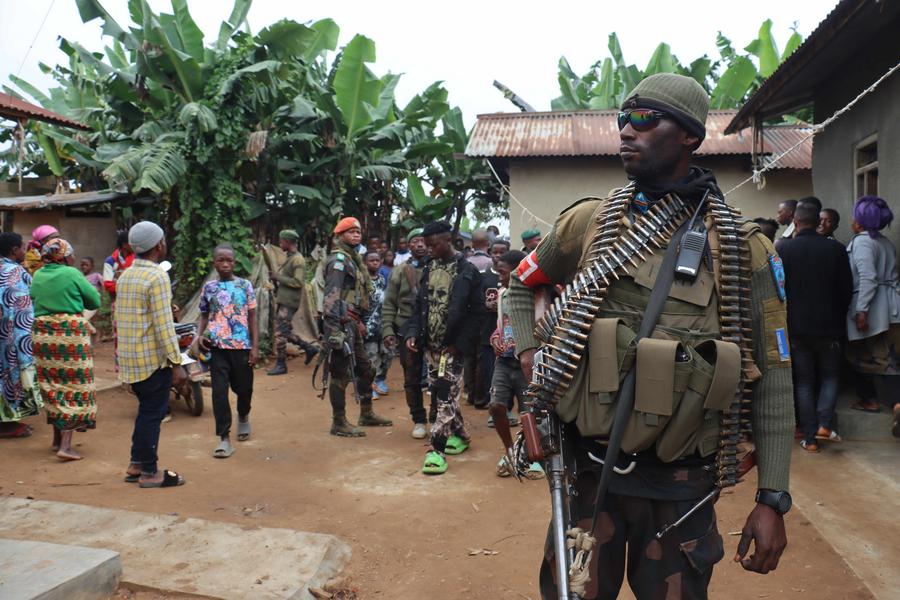
He described the pace of the outbreak as “unprecedented”, saying the virus was spreading faster than in any previous Ebola outbreak. Insecurity, displacement and heavy population movement along roads, rivers and mining routes have contributed to the rapid spread.
Tedros said one of the biggest concerns was that many deaths were occurring at home and within communities, rather than in treatment centres. Some of those who have died were also not included on known contact lists, making it harder for health authorities to trace transmission chains.
“Every death like that points to a chain of transmission we have not yet found. Until every chain is found and broken, the epidemic will continue,” he said.
The WHO chief also highlighted the continuing risk of international transmission. Uganda successfully halted transmission after the virus spilled over into the country, an achievement Tedros praised.
However, the recent detection of the virus in France in an international traveller has underlined the challenges posed by cross-border movement.
“Borders may slow a response; they do not stop a virus,” Tedros said.
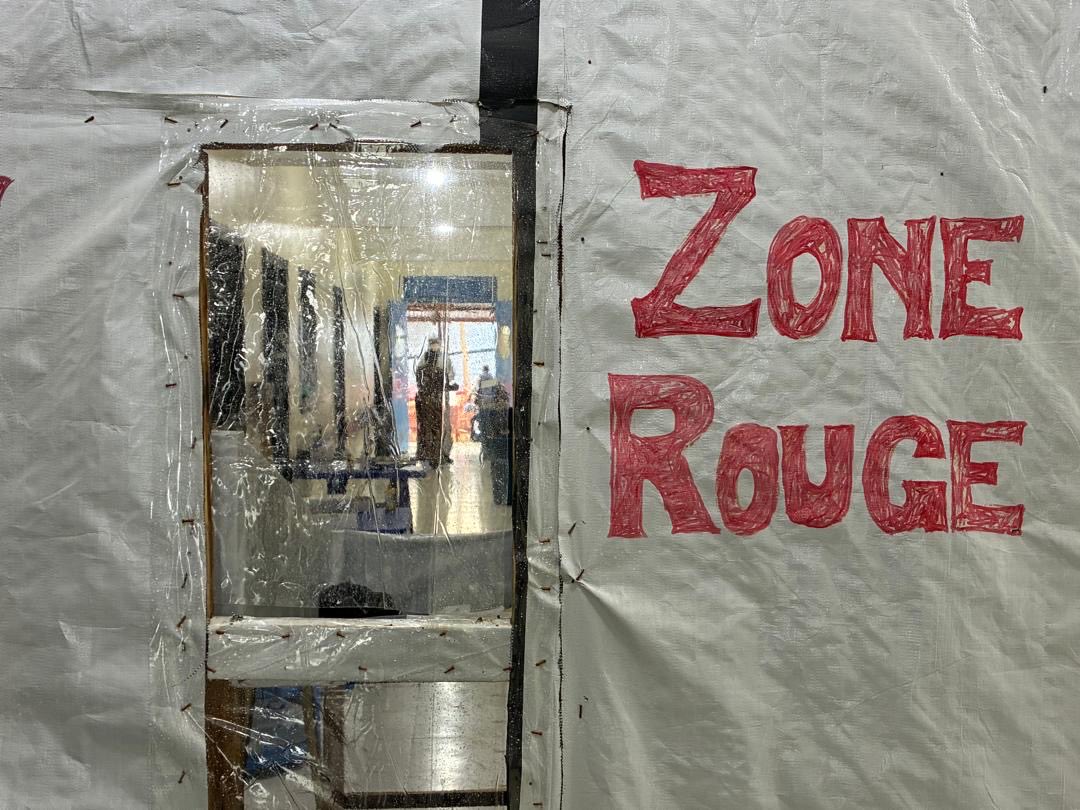
Health authorities and international partners are now expanding efforts to contain the outbreak. The WHO, Africa Centres for Disease Control and Prevention, the DRC government and other partners are increasing community-based surveillance, expanding treatment capacity, supporting safe burial practices and strengthening engagement with affected communities.
Clinical research is also being accelerated. For the first time, two vaccines specifically developed against the Bundibugyo virus have entered human trials. A separate vaccine designed to provide cross-protection is also moving towards phase-three testing.
The WHO-sponsored PARTNERS treatment trial has enrolled 100 patients as researchers continue to assess potential treatment options.
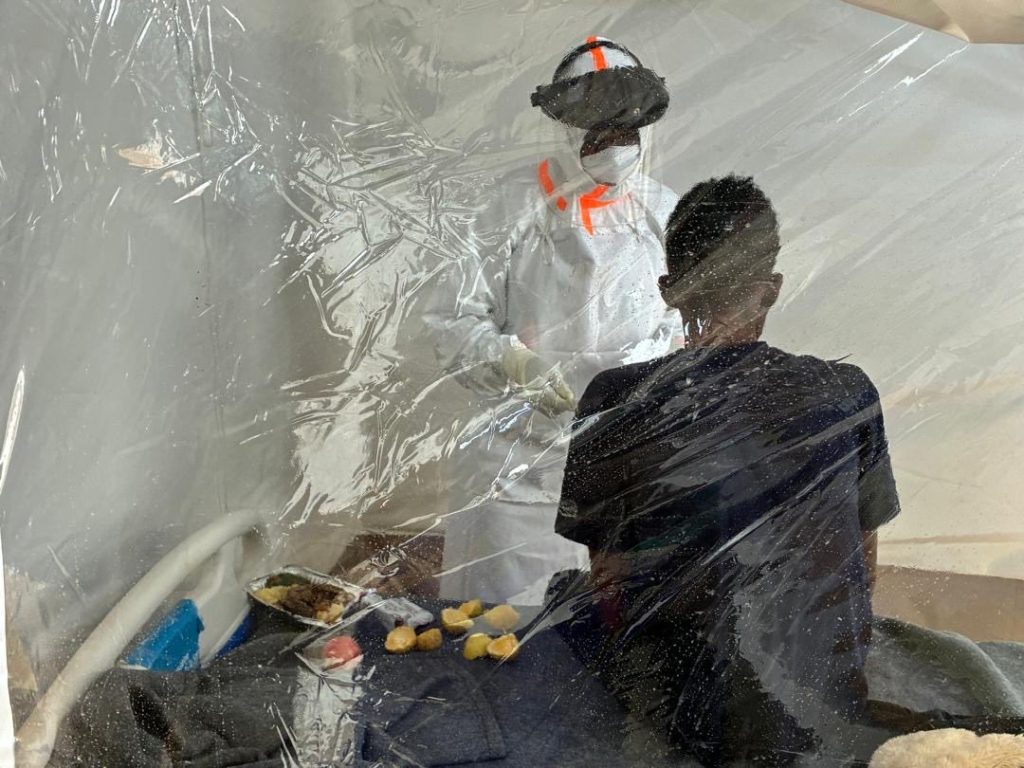
The response faces significant operational challenges, with Tedros calling for faster sharing of health data, stronger surveillance systems, sustained financing and improved access and security for response teams.
He also stressed the importance of closer coordination between countries, particularly as people continue to move across borders in the region.
Tedros warned that the Ebola response must not come at the expense of other essential healthcare services. He said health systems must continue addressing major threats including malaria, cholera, pneumonia and maternal mortality while dealing with the Ebola epidemic.
The current outbreak involves Bundibugyo Ebola virus disease, a distinct species of Ebola virus for which there is currently no approved vaccine or treatment.
DRC authorities declared the outbreak on May 15. Since then, health officials and international partners have worked to identify cases, trace contacts and strengthen medical and community responses.
The scale and speed of the outbreak have increased concerns over its potential to spread further, particularly in areas affected by insecurity and displacement.
WHO officials have stressed that identifying hidden transmission chains remains critical to bringing the epidemic under control. The detection of cases outside the DRC has also reinforced the need for regional cooperation and rapid information sharing.
Tedros said the international response would need to remain sustained and coordinated to prevent further escalation, while health authorities continue efforts to protect communities and expand access to care.