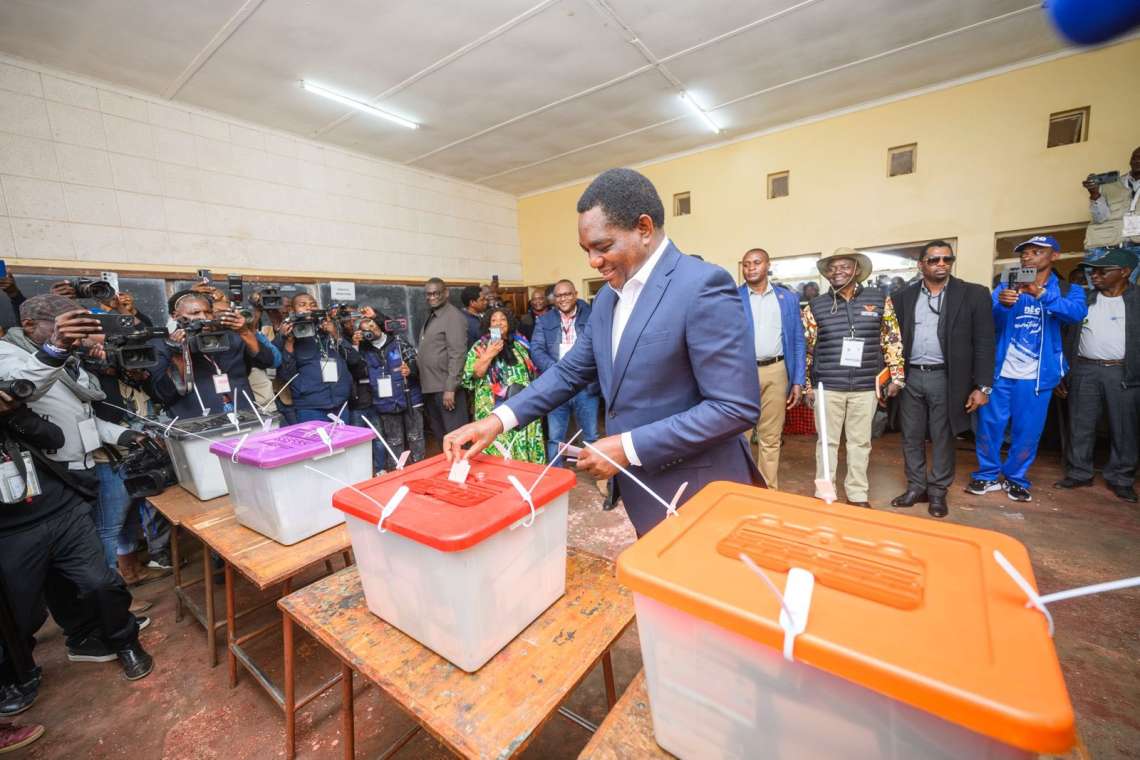

President Hakainde Hichilema wins a second five-year term after securing more than 2.9 million votes in Zambia’s presidential election….reports Africa Daily News Desk
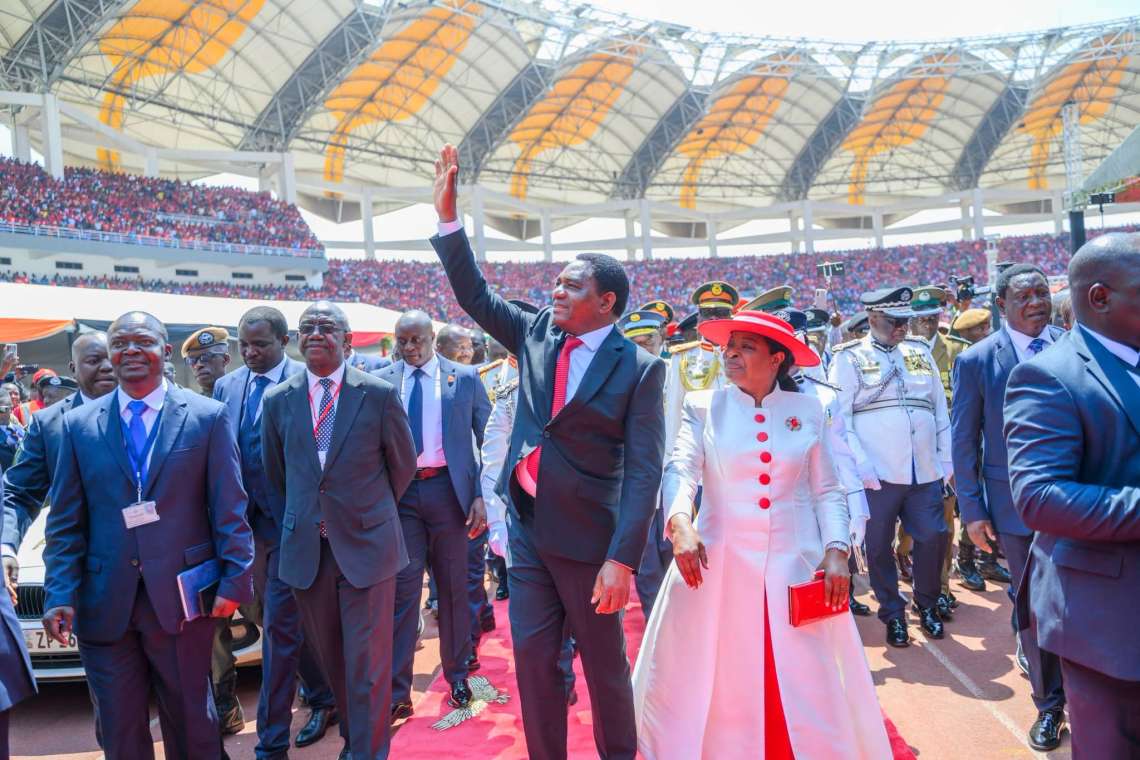
Zambian President Hakainde Hichilema has secured a second five-year term after winning the country’s August 13 presidential election with a clear majority, extending his leadership until 2031.
Hichilema, who contested on the ruling United Party for National Development (UPND) ticket alongside Vice-President Mutale Nalumango, secured 2,965,326 votes. His closest challenger, Brian Mundubile of the National Reconciliation Party for Unity and Prosperity (NRPUP) and the Tonse Alliance, received 1,856,217 votes.
The result gave Hichilema more than 50 per cent of the valid votes required under Zambia’s Constitution to win the presidency outright.
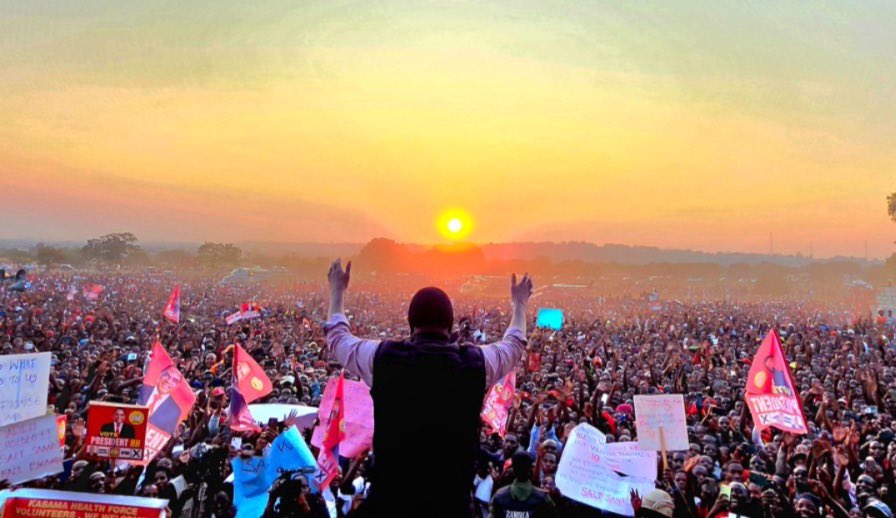
Electoral Commission of Zambia Chairperson and Returning Officer Mwangala Zaloumis formally declared Hichilema the winner at 2:41 a.m. on August 18.
Hichilema first took office in August 2021 after defeating former President Edgar Lungu in a landslide election victory. His first term was marked by efforts to stabilise the economy, restructure the country’s debt and revive the mining sector, a key pillar of Zambia’s economy.
His administration also expanded social programmes, including free public primary and secondary education, as part of efforts to improve access to essential services.
The president’s re-election reflects continued support for the UPND across several provinces and gives his government another five years to pursue its economic and social agenda.
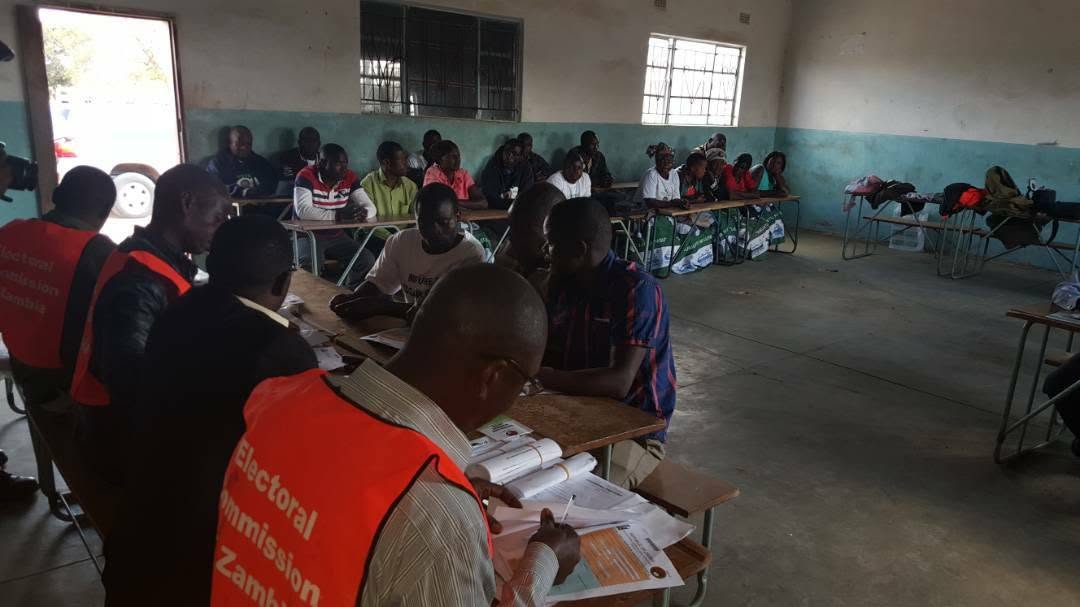
The election was held against a backdrop of heightened political rhetoric in the run-up to polling day, but voting itself was largely peaceful and orderly. Millions of Zambians turned out at polling stations across the country, reinforcing Zambia’s reputation for peaceful political participation and democratic stability in the region.
With the result formally confirmed, Hichilema is expected to focus on the government’s economic and development priorities during his second term.
Key areas are likely to include boosting domestic manufacturing, strengthening energy security, modernising agriculture and maintaining investment in social programmes.
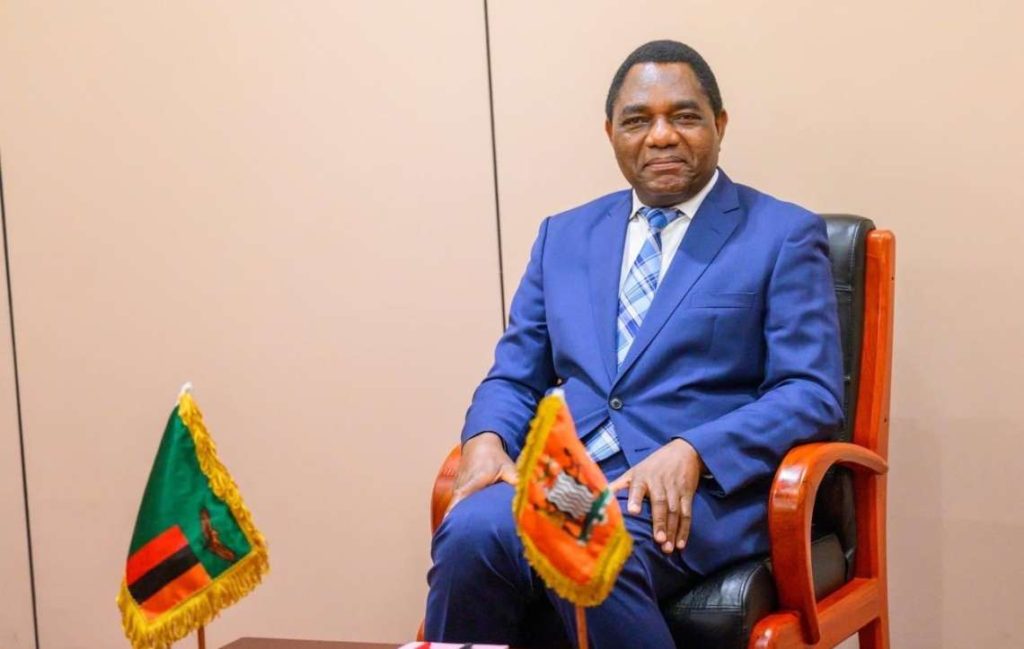
The administration is also expected to continue efforts to strengthen Zambia’s economic position following the debt restructuring undertaken during Hichilema’s first term.
The president’s second mandate will give him an opportunity to build on policies introduced since 2021 while addressing challenges facing households and businesses, including economic pressures and the need for greater job creation.
Hichilema’s victory also provides political continuity at a time when Zambia is seeking to attract investment and expand production across key sectors, particularly mining, agriculture and manufacturing.
The mining industry remains central to the country’s economic ambitions, while agriculture and energy are expected to receive greater attention as the government seeks to diversify the economy and improve resilience.
The peaceful conduct of the election is also likely to strengthen Zambia’s standing as one of the region’s more stable democracies.
With the presidential contest settled, attention will now turn to how Hichilema uses his second term to deliver on economic growth, social development and broader reforms promised to voters.
The president will remain in office through 2031, giving his administration a further five years to implement its development priorities and consolidate the policies pursued during his first term.