
ECOWAS and the Sahel alliance AES have agreed to establish joint working groups to explore a cooperation framework following ministerial talks in Dakar…reports Africa Daily News Desk
The Economic Community of West African States (ECOWAS) and the Confederation of Sahel States (AES) have agreed to establish joint thematic working groups to explore a framework for cooperation, signalling a step towards structured dialogue between the West African regional bloc and the Sahel confederation.
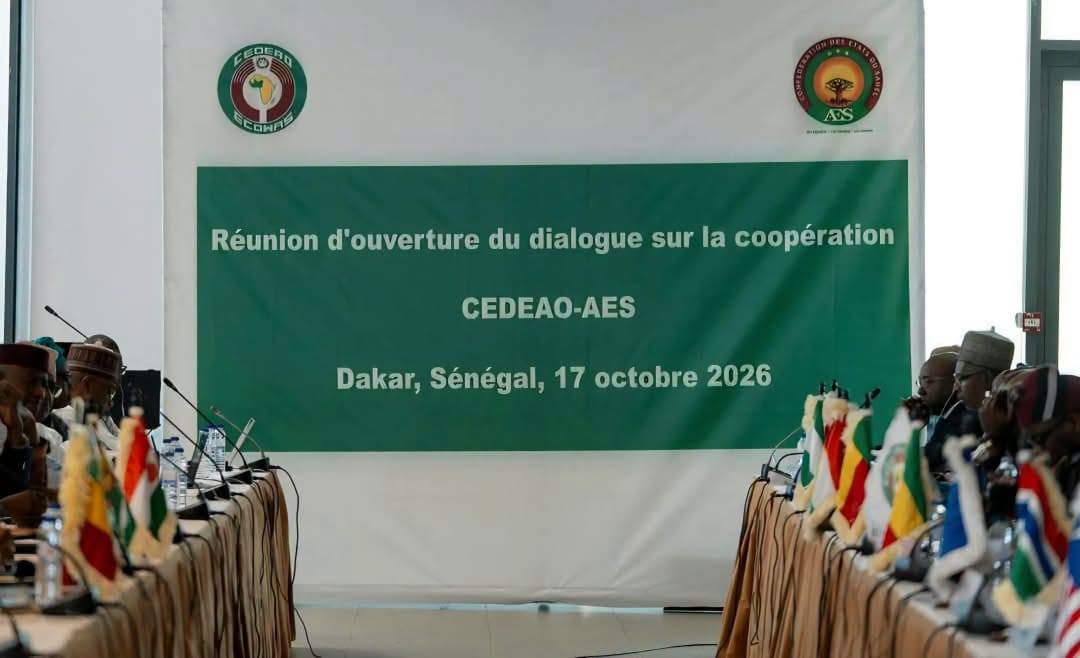
The decision was announced in a joint communiqué following the first session of the ministerial meeting on cooperation between the two organisations, held in Dakar, Senegal, on October 17, 2026.
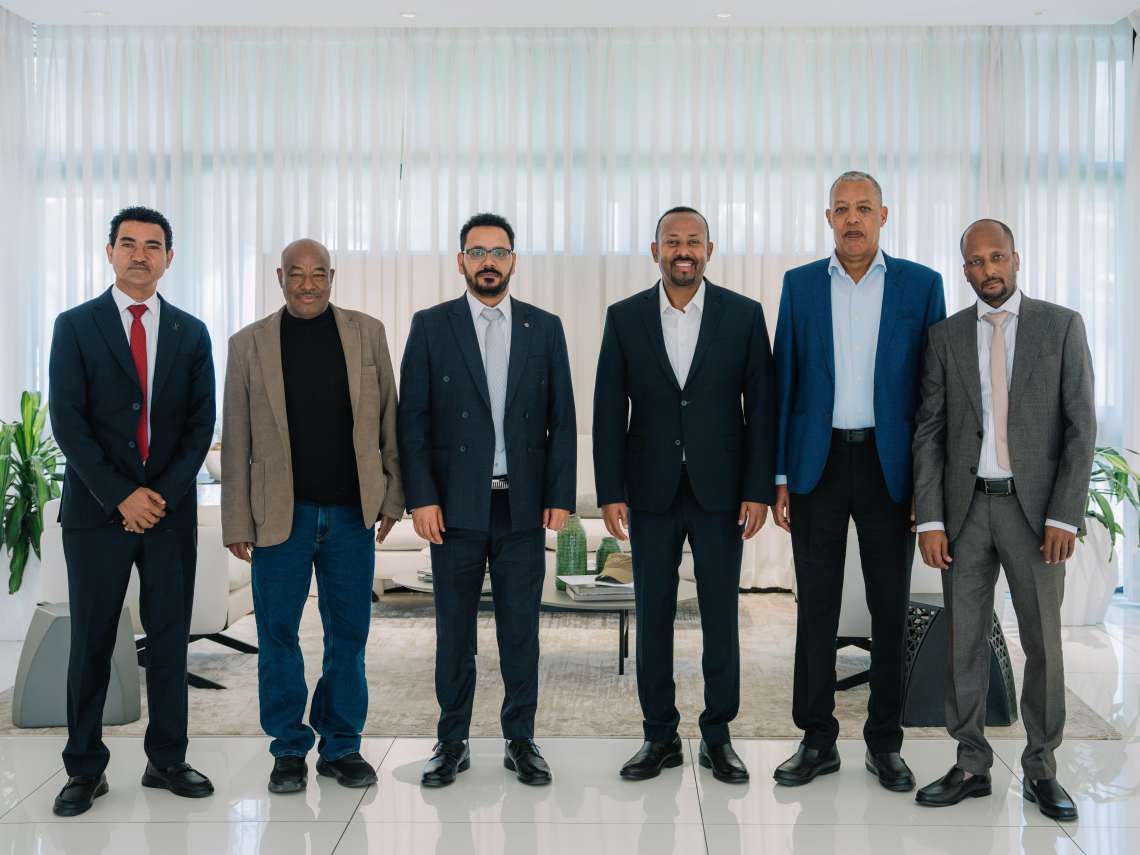
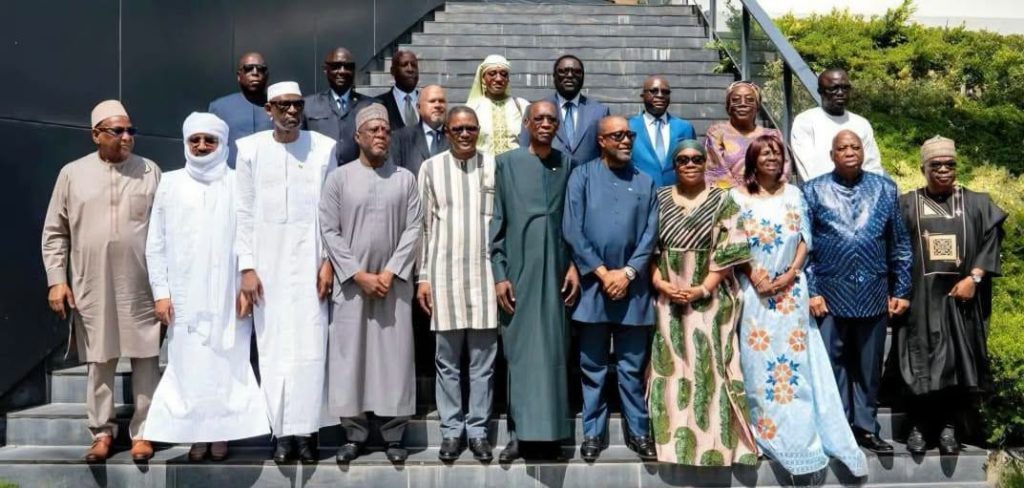
The meeting brought together delegations led by Cheikh Niang, Senegal’s Minister of African Integration, Foreign Affairs and Senegalese Abroad and chair of the ECOWAS Council of Ministers, and Karamoko Jean-Marie Traoré, Burkina Faso’s Minister of Foreign Affairs and president of the AES ministerial steering committee.
The discussions focused on establishing the foundations for cooperation and identifying areas of common interest for future engagement. The two sides agreed that joint working groups would conduct technical discussions aimed at reaching a framework cooperation agreement between ECOWAS and the AES.
The findings of these working groups will be submitted to the respective ministers for consideration at their next session. The date and venue of that meeting will be determined through diplomatic consultations.
The agreement represents an effort by the two organisations to maintain dialogue despite the political divisions that have shaped relations in the region.
In the communiqué, both parties welcomed what they described as a spirit of fraternity, mutual respect and openness during their discussions. They also highlighted the historical, social, cultural and economic ties linking the peoples of West Africa.
The two sides said future relations should be guided by the principles of good neighbourliness, respect for sovereignty, dignity and the wellbeing of West African populations.
These principles are expected to guide discussions as the organisations work towards a cooperation framework that balances their respective interests.
The meeting follows consultations held on May 22, 2025, in Bamako, Mali, during which the parties exchanged views on areas of common interest that could form the basis of future discussions.
Building on those consultations, the Dakar meeting reaffirmed their stated willingness to pursue a balanced and practical framework for cooperation that protects the interests of their populations.
The AES brings together Burkina Faso, Mali and Niger, three countries that have moved away from ECOWAS and established their own confederation. Their departure marked a significant shift in West Africa’s regional political landscape and raised questions about future economic, diplomatic and security cooperation.
The latest discussions offer a channel for engagement between ECOWAS and the three Sahel countries, although the communiqué does not specify the sectors that will be prioritised under the proposed framework.
The planned working groups are expected to help identify practical areas for cooperation and prepare proposals for consideration by ministers. Their recommendations will form the basis of further discussions before any comprehensive agreement is finalised.
The communiqué also expressed gratitude to Senegalese President Bassirou Diomaye Diakhar Faye, who serves as the acting chair of the ECOWAS Conference of Heads of State and Government, as well as the Senegalese government and people, for their hospitality and continued commitment to West African integration.
The two organisations have not announced a date for their next ministerial session. That meeting will be scheduled following diplomatic consultations.
While the agreement does not establish a final cooperation framework, the decision to create joint technical groups provides a formal mechanism for continued dialogue. The outcome will depend on the recommendations produced by the groups and the willingness of both sides to translate the discussions into practical arrangements.