
The junta said the move targets state-to-state diplomatic relations only and does not affect the longstanding links between the Burkinabe and French people…reports Asian Lite News Desk
Burkina Faso’s ruling military junta has severed diplomatic relations with France, accusing the former colonial power of acting against the country’s interests and supporting destabilising forces in the Sahel.
The announcement, made on Friday, marks a further deterioration in relations between Burkina Faso and France, as several military-led governments in West Africa continue to distance themselves from Paris while strengthening ties with other international partners.
The military government, led by Captain Ibrahim Traore, who took power in a coup in September 2022, announced the decision in a statement broadcast on national television.
“The government of Burkina Faso hereby informs the national and international community that it has decided to sever diplomatic relations with France with effect from today, June 26, 2026,” the statement said.
The junta accused France of harbouring “neo-colonial ambitions, made evident by its active support for subversive networks and the terrorists who are plunging our country and the Sahel into mourning.”
No evidence was provided to support the allegation.
According to the government, the decision applies only to formal diplomatic relations between the two states. The statement said the move “concerns exclusively the institutional framework of relations between the two states at the diplomatic level.”
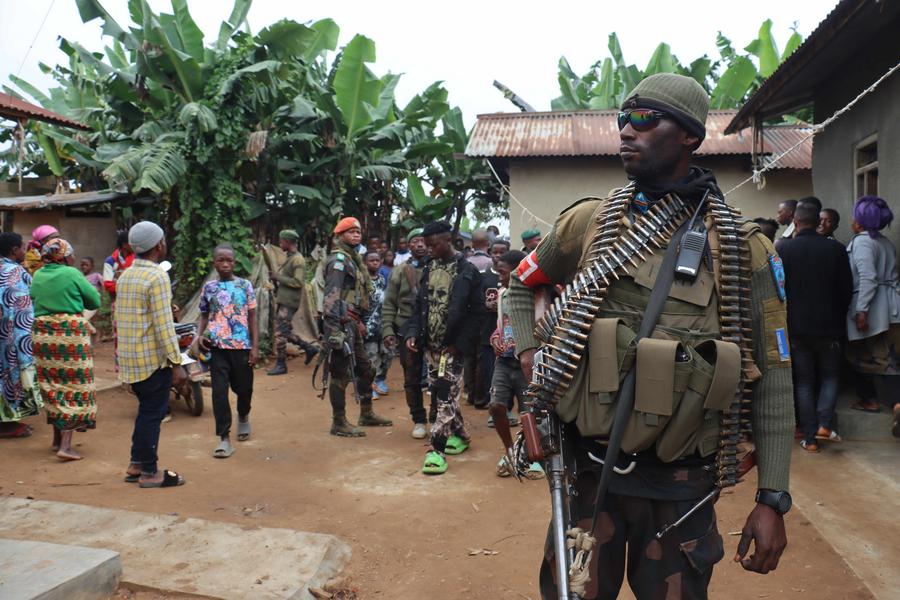
It added that the decision “in no way calls into question the historical, human, cultural and social ties that unite the Burkinabe and French peoples.” Burkina Faso has faced a prolonged security crisis for more than a decade, with jihadist groups linked to Al-Qaeda and the Daesh group carrying out attacks across the country and wider Sahel region. The violence has displaced millions of people and contributed to repeated political instability.
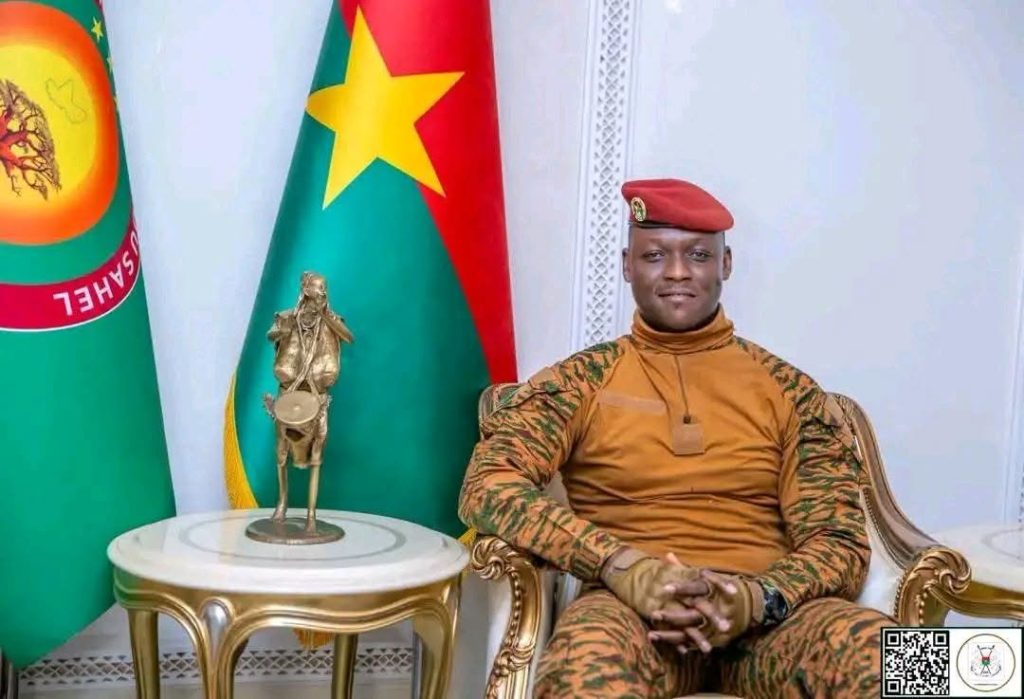
Since taking power, the military authorities have adopted a confrontational stance towards Western countries, particularly France, while pursuing policies that critics say have become increasingly repressive towards dissenting voices.
Relations between France and several of its former African colonies have deteriorated sharply in recent years. Military governments in countries including Burkina Faso, Mali and Niger have criticised Paris for its historical influence in the region and questioned the effectiveness of French military involvement against Islamist insurgencies.
Anti-French sentiment has grown in parts of francophone Africa as governments seek to redefine their international alliances. At the same time, Russia and China have expanded their political, economic and security engagement across the continent, increasing competition for influence in Africa.
France once controlled large areas of North, Central and West Africa and remained closely involved in the affairs of many former colonies after independence. French governments repeatedly intervened militarily in the region from the early 1960s, often citing security concerns or requests from allied governments.
In recent years, Paris has sought to reshape its relationship with Africa, pledging to move away from the policy widely referred to as “Francafrique”. The term describes a system under which France maintained close political and economic influence in many francophone African states through longstanding political networks, preferential business access and financial arrangements that critics said encouraged corruption.
The decision by Burkina Faso to end diplomatic relations represents another significant shift in the geopolitical landscape of the Sahel, where military governments have increasingly sought to reduce Western influence while pursuing new security and diplomatic partnerships.