
The move marks the shift from developing continent-wide strategies to delivering projects across regions and individual countries…reports Africa Daily News Desk
The European Union has welcomed the successful conclusion of a major technical workshop that approved a package of studies, frameworks and planning tools designed to accelerate the rollout of the African Single Electricity Market (AfSEM) and the Continental Power System Master Plan (CMP).
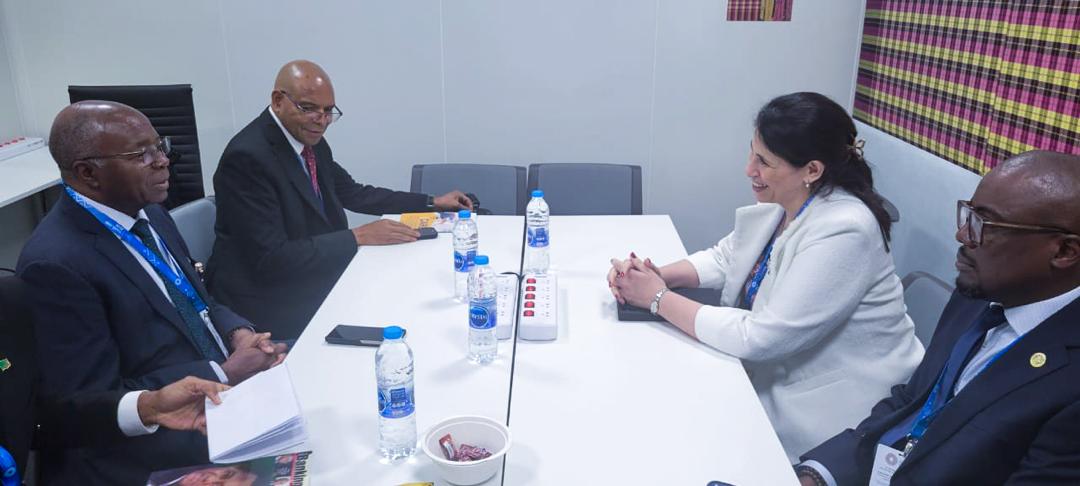
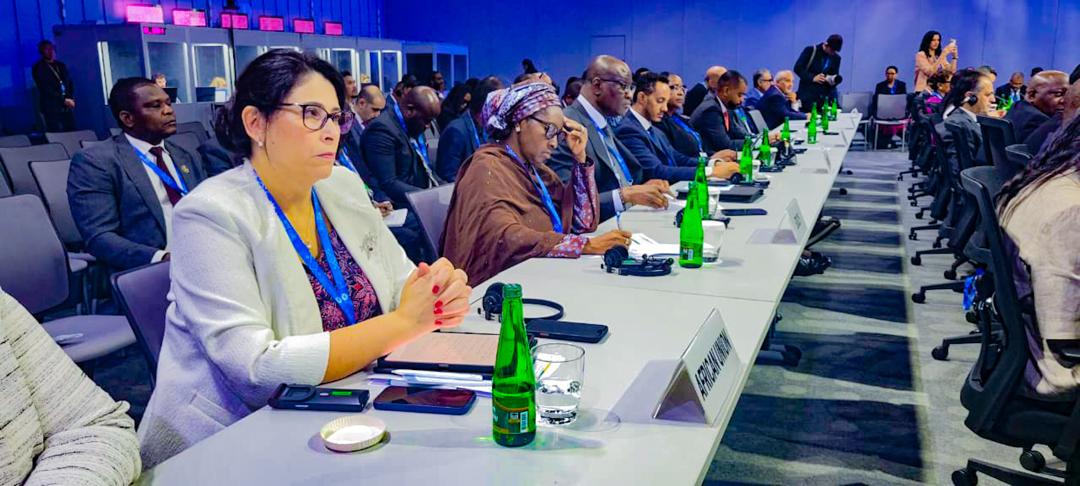
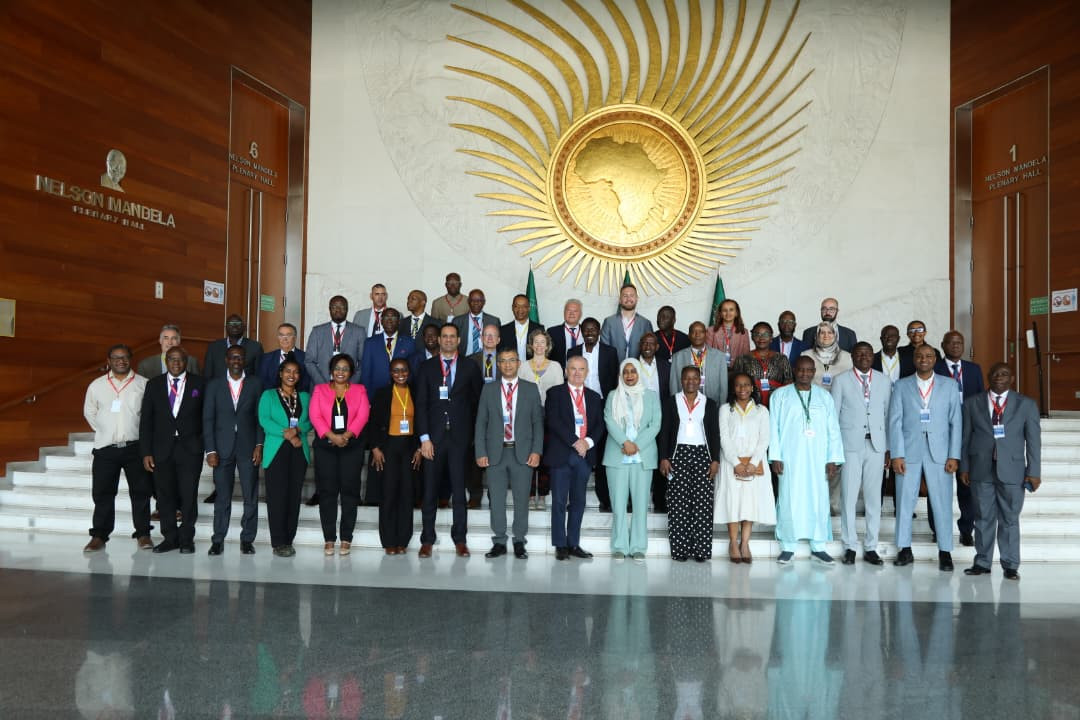
The CEPA Technical Consultation and Validation Workshop was hosted by the African Union Commission and co-convened with AUDA-NEPAD at the African Union Headquarters in Addis Ababa, Ethiopia, from 3 to 5 June. It brought together partners to review and validate technical work supporting two flagship initiatives under the African Union’s Agenda 2063.
According to the European Union, the workshop represents a significant milestone in a decade of cooperation between the EU and the African Union on continental energy integration. While the period from 2015 to 2025 focused on developing and adopting common strategies, attention has now shifted towards implementing those plans at regional and national level.
The meeting approved a comprehensive package of strategic studies, technical frameworks and operational tools intended to support the next stage of delivery. Officials said the outcome reflects the African Union’s ambition of creating “One Grid, One Market, One Vision” for an integrated and investment-ready electricity market across the continent.
The work forms part of the Continental Energy Programme in Africa (CEPA), delivered through the Africa-EU Green Energy Initiative, a flagship programme under the EU’s Global Gateway Africa-Europe Investment Package. The investment package aims to mobilise up to €150 billion for green, digital and inclusive development across Africa.
CEPA serves as the EU’s main technical assistance and coordination programme supporting the African Single Electricity Market, the Continental Power System Master Plan and the African Energy Efficiency Strategy.
The workshop also highlighted cooperation between CEPA, Germany’s ENGAGE programme, funded by the Federal Ministry for Economic Cooperation and Development, and the Africa-EU Energy Partnership, alongside EU member states and European development finance institutions.
Over the three-day meeting, participants reviewed and validated a series of technical guidelines, reports and pre-feasibility studies developed under CEPA.
Delegates also examined progress on establishing the AfSEM High-Level Technical Oversight Committee and reviewed implementation of decisions adopted by the 5th Specialised Technical Committee on Transport, Transcontinental and Interregional Infrastructure and Energy. Discussions focused on identifying priority actions to strengthen regulatory harmonisation, institutional readiness and the development of regional electricity markets.
Gianluca Azzoni, Head of Policy and Cooperation at the Delegation of the European Union to the African Union, said: “This workshop marks a defining step in our partnership with the African Union. With the African Union Commission and AUDA-NEPAD, we are moving from continental strategy to continental delivery. Through the Global Gateway and Team Europe, the European Union is proud to stand with our African partners in building an electricity market that is integrated, climate-resilient and ready for investment – for one grid, one market, one vision.”
The European Union said the programme addresses major energy challenges facing the continent. More than 600 million people across Africa still lack access to electricity, while demand is forecast to triple by 2040.
Africa’s electricity generation capacity is projected to increase from 266 gigawatts today to more than 1,218 gigawatts by 2040. Renewable energy is expected to grow from around one quarter of total generation to almost two thirds over the same period.
The EU said closing the investment gap will require an estimated US$1.3 trillion, including funding for the cross-border transmission networks and market infrastructure planned under the Continental Power System Master Plan.
Officials said the validation of technical, regulatory and planning foundations will help support future investment, strengthen energy security, expand electricity access, encourage cross-border power trading and accelerate the deployment of renewable energy. The European Union said it would continue supporting implementation through CEPA, ENGAGE, the Africa-EU Energy Partnership and wider Team Europe as work progresses towards an integrated African electricity market under Agenda 2063.