
Kenya has discharged its final Ebola patient and released all remaining contacts from quarantine, with no new cases reported since 19 October….reports Africa Daily News Desk
Kenya has discharged its last patient being treated for Ebola and released the final 11 contacts from quarantine, marking a significant milestone in its response to the outbreak of Bundibugyo virus disease. The country has now begun a 42-day countdown, after which it could be declared Ebola-free if no new cases are reported.
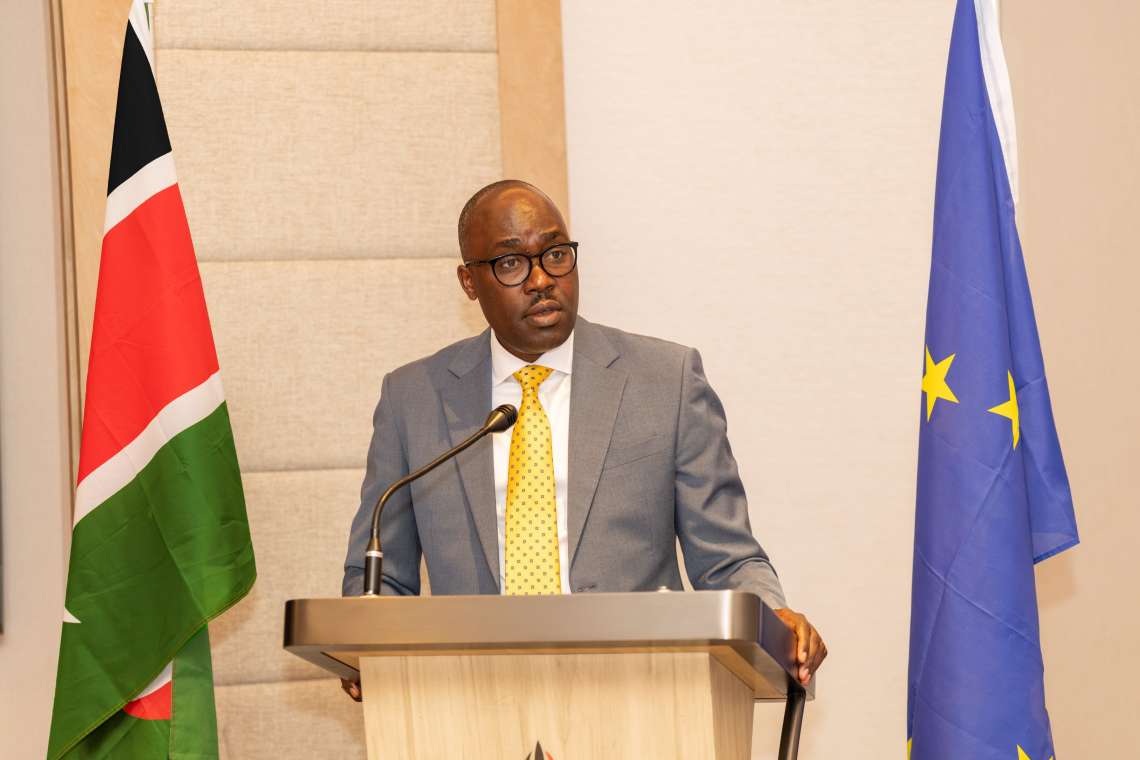
Health Cabinet Secretary Aden Duale announced the developments on Wednesday, 11 November, saying the last patient had recovered and all 11 remaining contacts had completed their monitoring period in good health.
“For the first time since this outbreak began, Kenya has no patient under treatment and no contact in quarantine,” Duale said in a statement delivered in Nairobi.
Kenya confirmed its first imported case on 6 October 2026, involving a national who had travelled from the Democratic Republic of the Congo (DRC) through Uganda. The patient fell ill after returning home and later died from the disease.
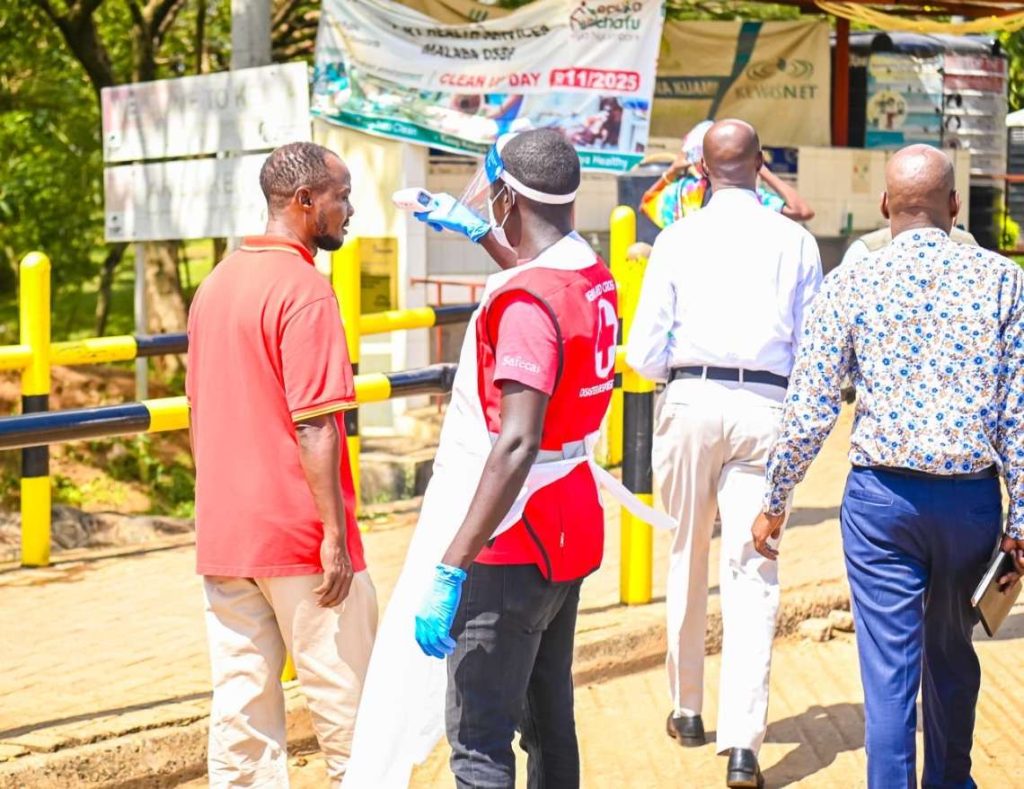
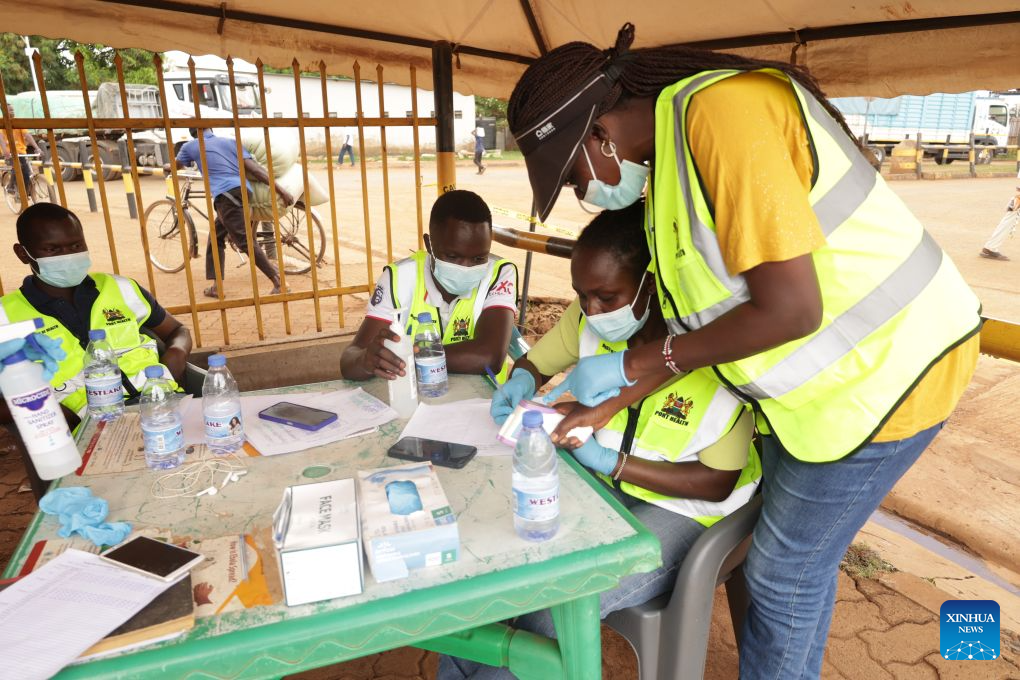
The Ministry of Health notified the World Health Organization (WHO) within 24 hours of laboratory confirmation. The country subsequently traced 135 contacts, with those considered at risk placed under quarantine and monitored.
Eight additional people later tested positive, including four family members of the first patient and four healthcare workers who had treated him before the disease was suspected. Two patients died, while seven recovered, according to the ministry.
The last confirmed case was recorded on 19 October. No new infections have been reported since then.
Duale said the 42-day countdown would begin on Thursday, 12 November. The period represents twice the longest incubation period of the virus. If no further cases emerge during this time, Kenya is expected to be declared free of Ebola on or around 23 December 2026.
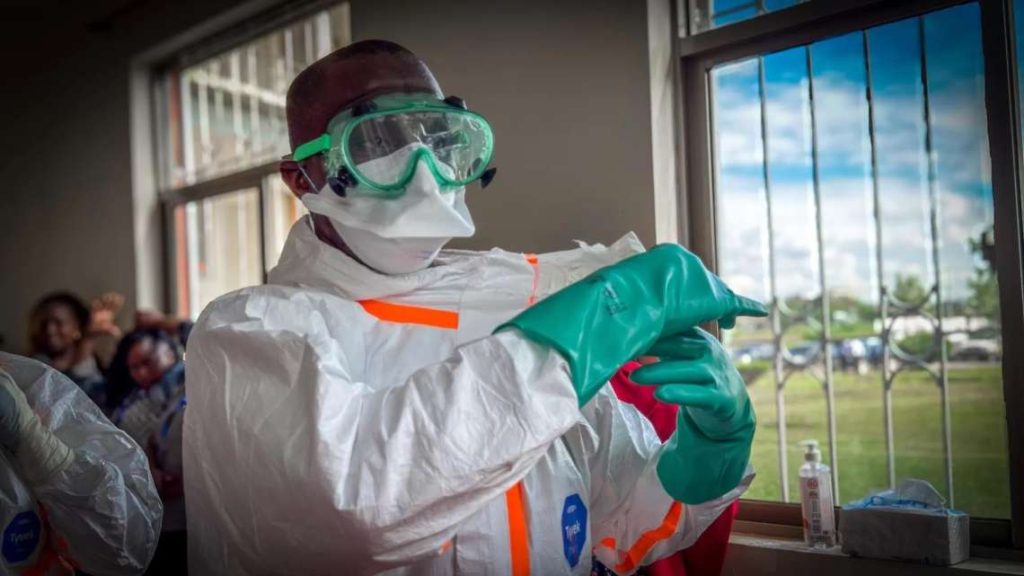
However, the Cabinet Secretary stressed that the countdown would not mean an end to the country’s response. Rapid Response Teams will remain on alert across counties, while active surveillance, screening at points of entry and investigations of suspected cases will continue. Survivors will also receive follow-up care and support.
The ministry will conduct an intra-action review to assess the response, identify areas that worked well and determine improvements needed for future emergencies. A full after-action review will follow once the outbreak is officially declared over.
The outbreak in the DRC remains active, and Kenyan authorities have warned that the risk of imported cases persists. The government plans to issue guidance for Kenyans returning from the DRC and other affected areas, including health declarations through the UHAI chatbot before travel, screening on arrival and 21 days of quarantine with follow-up by health teams.
Duale also urged jurisdictions that had imposed blanket travel and visa restrictions on Kenya to review and lift the measures, arguing that the country had no patients under treatment, contacts in quarantine or community transmission.
“Transparency must be rewarded, not punished,” he said, adding that Kenya would remain open to business, tourism, trade and travel, with no restrictions on movement or public gatherings within the country.
He further clarified that Kenya would not serve as a quarantine centre for other jurisdictions and that the Health Ministry would not issue quarantine or Ebola-free certificates for travel purposes.
The Cabinet Secretary credited the response to cooperation between national and county governments, public and private hospitals, healthcare workers and international partners, including the WHO, Africa Centres for Disease Control and Prevention, UNICEF, IGAD, the United States and India.
He also praised medical personnel and other frontline workers, noting that four healthcare workers had been infected during the outbreak.
Duale urged Kenyans to remain vigilant during the countdown and seek medical attention early if they develop symptoms such as fever, weakness, muscle pain, vomiting, diarrhoea or unexplained bleeding, particularly after travelling to an affected area. The public can call the free health helpline 719 for assistance.