
A US-based report says China’s extensive investments in African ports are creating long-term financial and operational dependencies across the continent…reports Asian lite News Desk
China’s expanding investments in African port infrastructure are raising concerns over the sovereignty of African nations, with a new report claiming that several commercial projects are increasingly being repurposed for military and intelligence purposes.
According to a report by the US-based Africa Defense Forum (ADF), China has invested around $50 billion in African port infrastructure since 2013 under its Belt and Road Initiative (BRI). The investments cover port development as well as upgrades to railways and industrial zones across the continent.
The report said China is financing, constructing, operating or holding equity stakes in nearly 78 commercial ports across 32 African countries, giving Beijing a significant presence in Africa’s maritime infrastructure.
While these projects have helped expand trade between China and African countries, analysts quoted in the report warned that many agreements have lacked transparency and have left governments with substantial debt obligations and long-term operational dependence.
“African ports are increasingly using Chinese automation and artificial intelligence systems that require ongoing financial commitments to maintain,” the report said.
The report cited Paul Nantulya, a researcher at the Africa Center for Strategic Studies, who cautioned that continued reliance on Chinese technical support could cost African nations billions of dollars in the future.
According to Nantulya, limited public access to contractual agreements and weak oversight mechanisms have fuelled concerns that Chinese companies could gain influence over strategically important infrastructure through equity participation, long-term leases or operational management agreements.
The report also highlighted Kenya’s Chinese-built Standard Gauge Railway as an example of the challenges associated with some of the infrastructure projects. The railway, promoted as a key economic corridor connecting the port city of Mombasa with Nairobi and eventually Uganda, currently ends in a cornfield approximately 468 kilometres short of the Ugandan border, with the planned extension remaining incomplete.
It said Kenya spends more than $1 billion annually servicing debt linked to the railway, with China remaining the country’s largest external creditor.
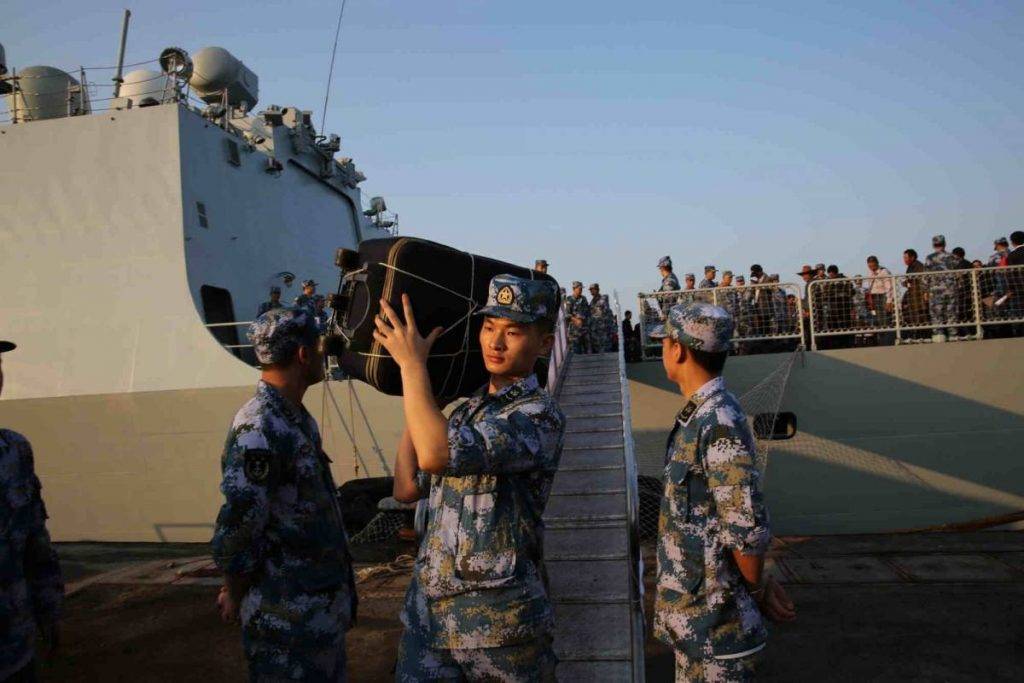
The ADF report further referred to findings published by an Italian digital newspaper, which suggested that China could be using some African ports for military purposes. It noted a significant increase in port visits by the People’s Liberation Army Navy in recent years.
It also pointed to Djibouti’s Chinese-developed Doraleh Port, which was converted into China’s first overseas military base in 2017, as an example of how commercial infrastructure can evolve into a strategic military asset.
The report argued that the combination of financial dependence, technological integration and growing Chinese operational involvement in critical port infrastructure has raised wider concerns over the long-term strategic implications for African nations.