
The growing political dispute comes as the Democratic Republic of Congo battles a worsening Ebola outbreak….reports Africa News desk
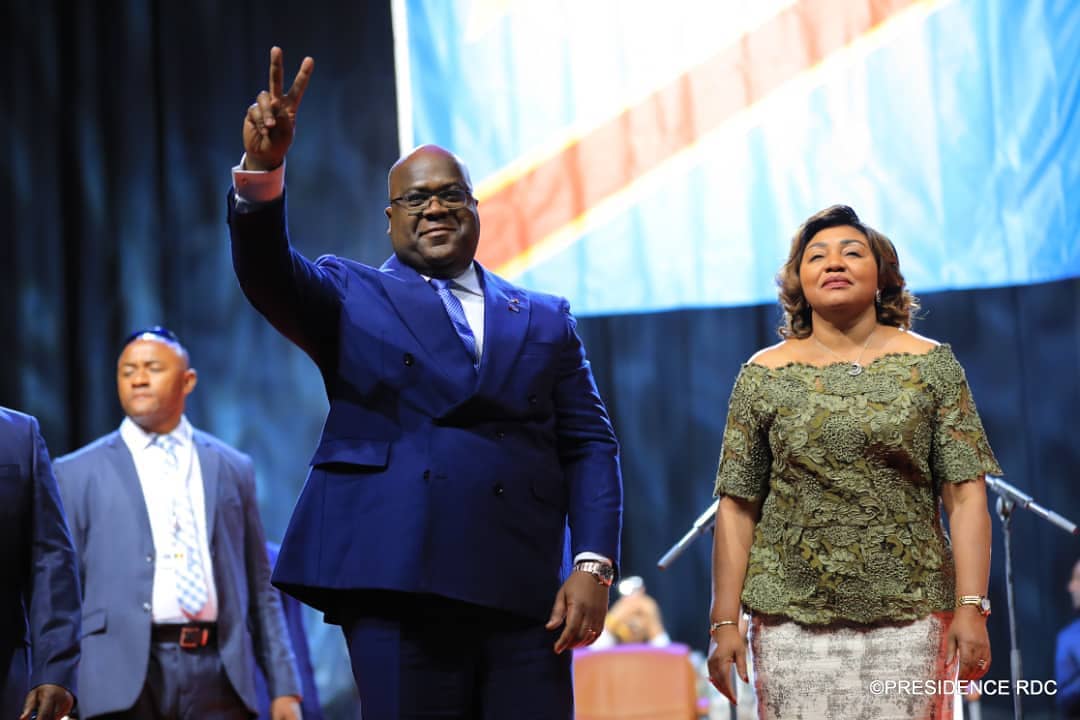
Political tensions are rising in the Democratic Republic of Congo as major opposition parties have formed a new coalition to oppose a possible constitutional revision proposed by the government of President Félix Tshisekedi.
During a press conference in Kinshasa, opposition leaders accused the ruling administration of attempting to pave the way for Tshisekedi to remain in power beyond the constitutionally mandated two term limit. The coalition described the proposed constitutional reforms as a serious threat to democracy ahead of future elections.
According to Africanews, Nicolas Lenga, an official from the opposition Envol party, sharply criticised the government’s constitutional initiative, calling it “an act of rebellion against the Republic and a declaration of war on the Congolese people.”
Africanews also reported that Lenga urged citizens to defend the constitution, referring to Article 64, which calls on Congolese people to resist any individual or group exercising power in violation of constitutional provisions.
The political dispute follows recent comments by Tshisekedi suggesting he could seek a third term after his mandate expires in 2028 through a national referendum, despite constitutional restrictions currently limiting presidents to two terms.
Tshisekedi has also warned that elections could face delays because of the worsening conflict in eastern Democratic Republic of Congo, where M23 rebels have captured major territories, including the cities of Goma and Bukavu in North and South Kivu provinces.
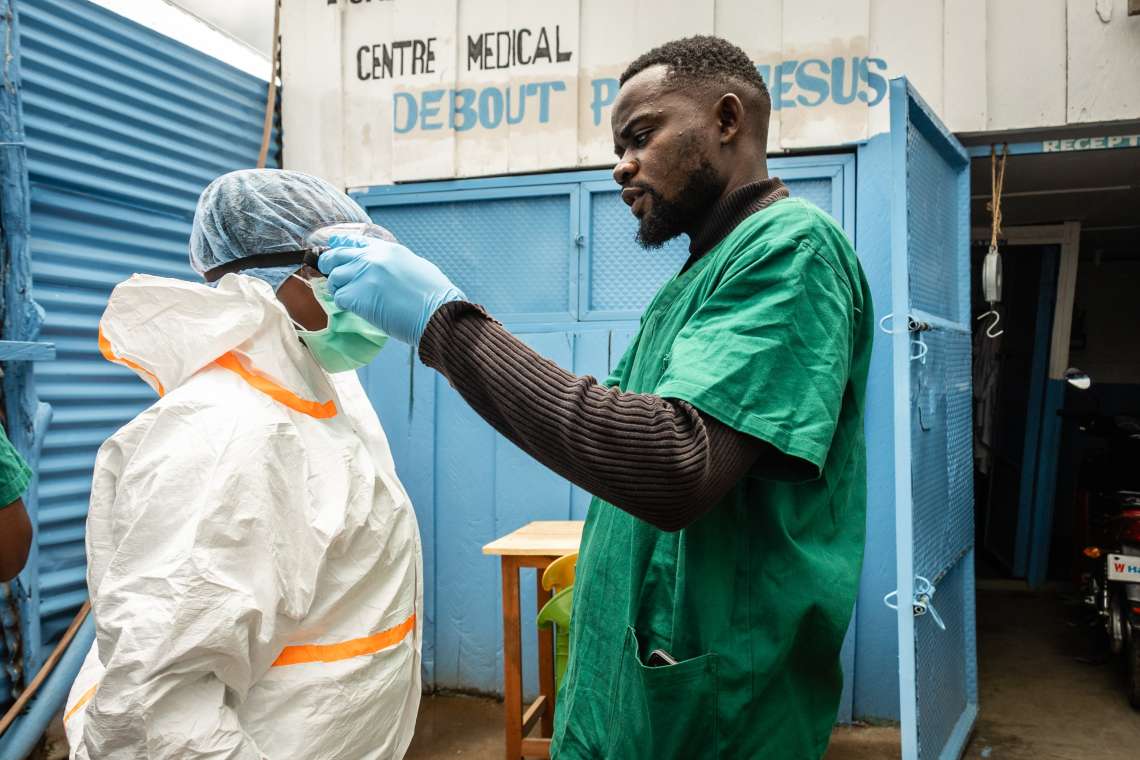
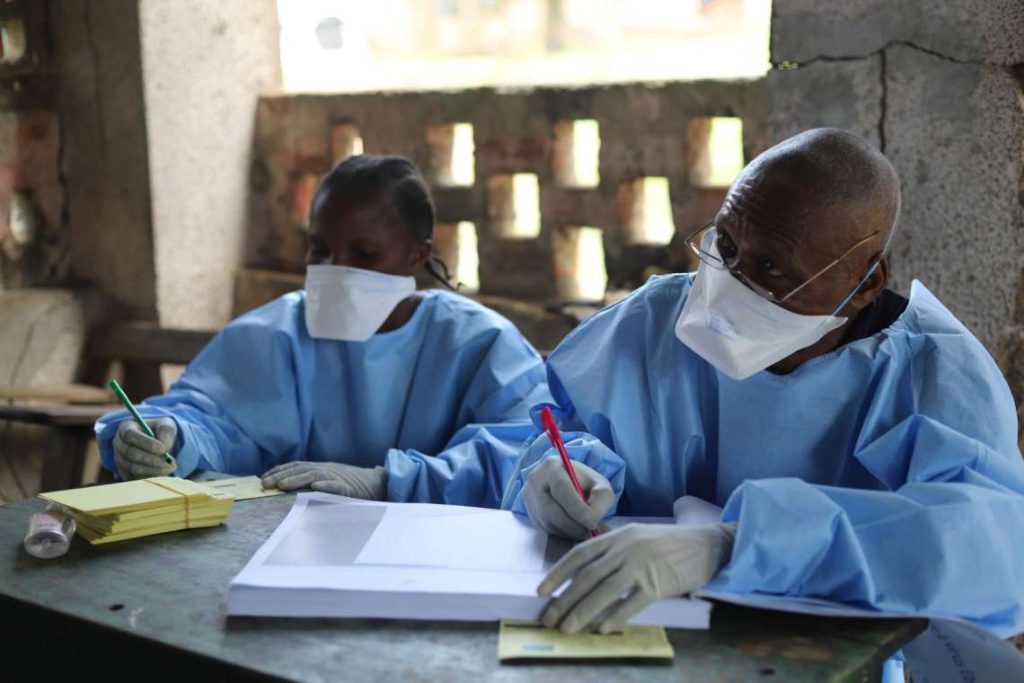
The growing political crisis comes as the country is also battling a deadly Ebola outbreak. WHO Director General Tedros Adhanom Ghebreyesus said there have been around 600 suspected Ebola cases and 139 suspected deaths so far, although the figures are expected to rise due to delays in detecting infections.
Speaking to journalists in Geneva, Tedros said 51 cases have been confirmed in the Democratic Republic of Congo, where the outbreak was first detected, while two confirmed cases have been reported in neighbouring Uganda.
The World Health Organization on Sunday declared the outbreak a Public Health Emergency of International Concern, triggering international coordination and emergency response measures. However, the organisation clarified that the outbreak has not reached pandemic level.