
WHO says candidate vaccines for the Bundibugyo strain have not yet undergone clinical trials….reports Africa News desk
The World Health Organization has warned that it could take up to nine months before a vaccine against the current Bundibugyo strain of Ebola becomes available, as the outbreak in the Democratic Republic of Congo continues to spread.
According to WHO adviser Dr Vasee Moorthy, two potential candidate vaccines against the Bundibugyo species are under development, but neither has yet undergone clinical trials. The warning comes amid growing concern over the outbreak centred in the north eastern Ituri Province of the Democratic Republic of Congo.
WHO Director General Tedros Adhanom Ghebreyesus said there have been around 600 suspected Ebola cases and 139 suspected deaths so far, although the numbers are expected to rise because of delays in detecting the virus.
Speaking to journalists in Geneva, Tedros said 51 cases have been confirmed in the Democratic Republic of Congo, where the outbreak was first detected, while two confirmed cases have been reported in neighbouring Uganda.
The WHO on Sunday declared the outbreak a Public Health Emergency of International Concern, triggering international coordination and emergency response measures. However, the organisation clarified that the situation has not reached pandemic level.
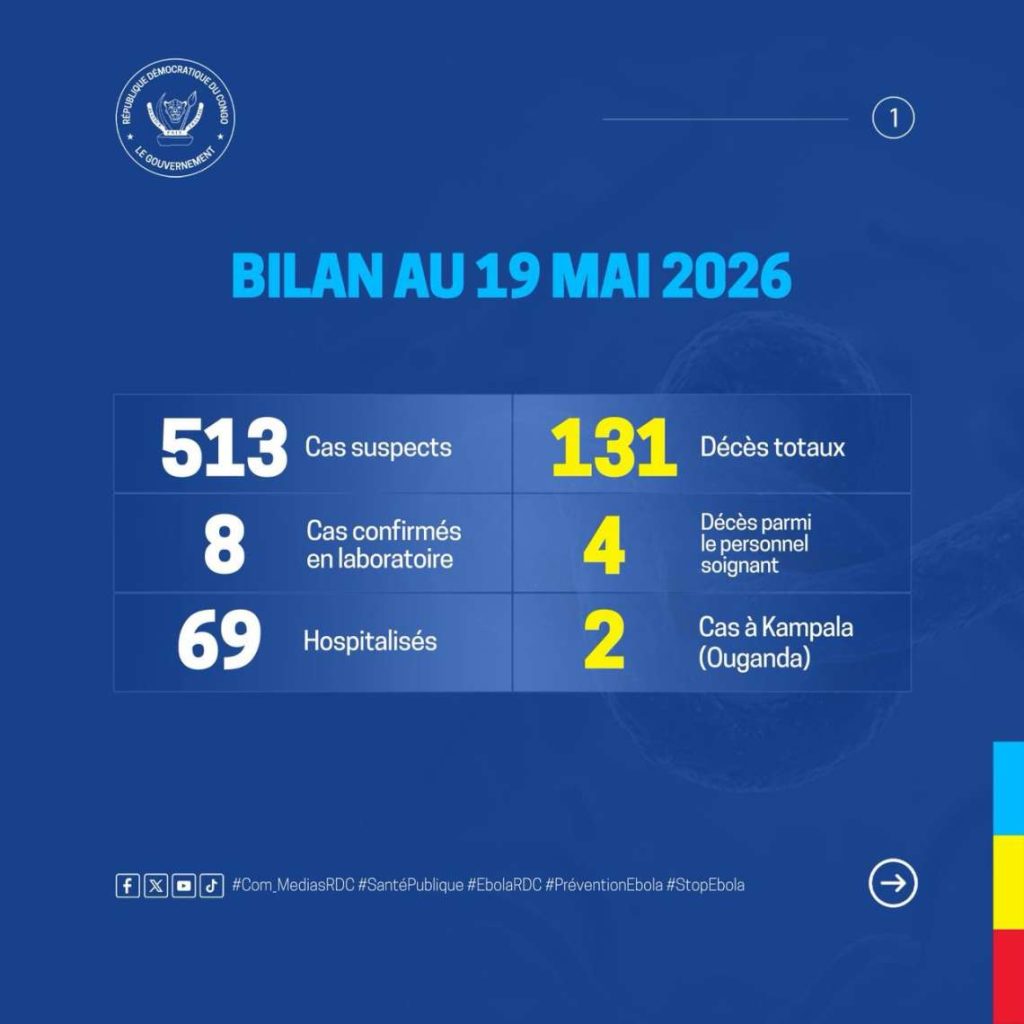
“WHO assesses the risk of the epidemic as high at the national and regional levels and low at the global level,” Tedros said after the agency’s emergency committee met on Tuesday and concluded that the outbreak was “not a pandemic emergency”.
The outbreak, officially declared on May 15, has prompted a rapid international response. WHO said it delivered 11.5 tonnes of emergency medical supplies and equipment to affected areas within 72 hours, using stockpiles from Kinshasa as well as regional emergency hubs in Dakar and Nairobi.
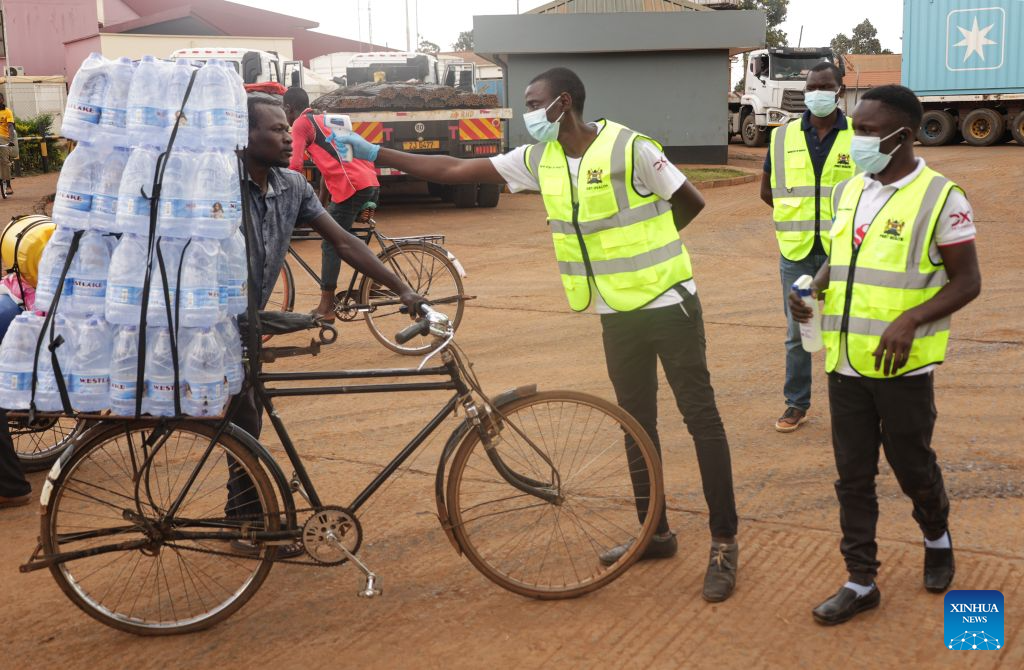
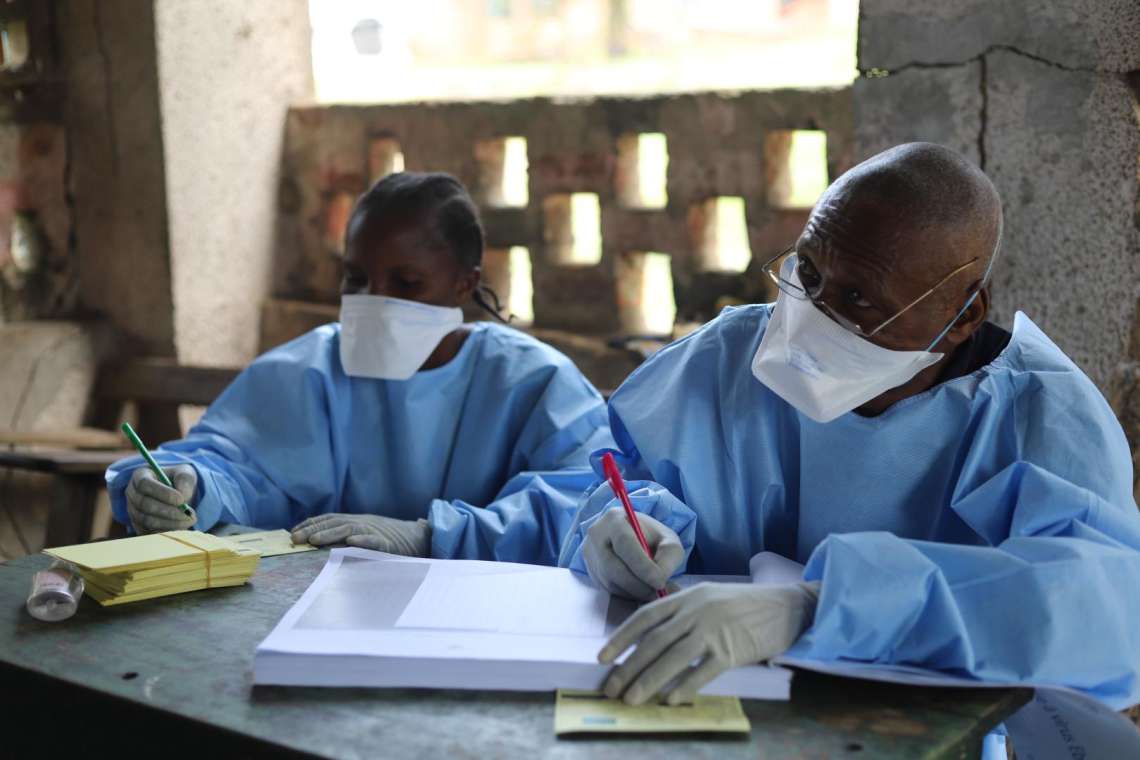
More than 35 experts and emergency responders from WHO and the Congolese Ministry of Health have already been deployed to the field, with additional teams expected as response operations expand. The teams are focusing on disease surveillance, early case detection, infection prevention, clinical care and community engagement.
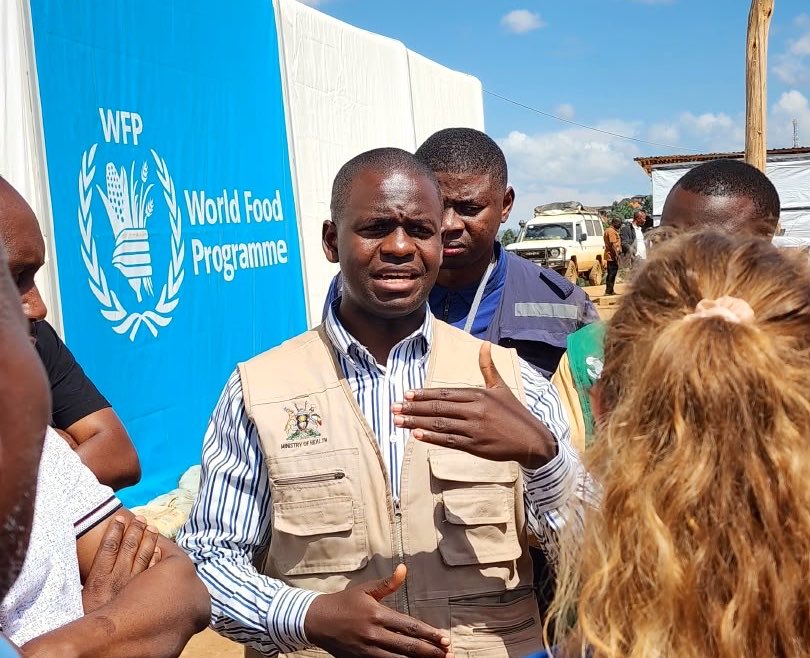
WHO said cooperation with international partners and the private sector has played a key role in accelerating the emergency response. The United Nations Organization Stabilization Mission in the Democratic Republic of the Congohas provided airlift support to transport medical supplies from Nairobi and improve access to affected areas.
“The collaboration with MONUSCO has been pivotal in ensuring a swift response,” said Adama Thiam, Head of Regional Emergency Operations and Logistics at WHO Africa. “Their ability to provide airlift support significantly enhances our logistics capabilities, allowing us to respond to the needs of the community effectively.”
WHO also said negotiations with Ethiopian Airlines helped prioritise urgent cargo deliveries for the outbreak response.
The emergency supplies include personal protective equipment, medical kits, tents and water, sanitation and hygiene materials needed to contain infections and manage patients.
Additional consignments are already on the way from Kinshasa to Ituri Province as authorities race to contain the outbreak and protect frontline healthcare workers.
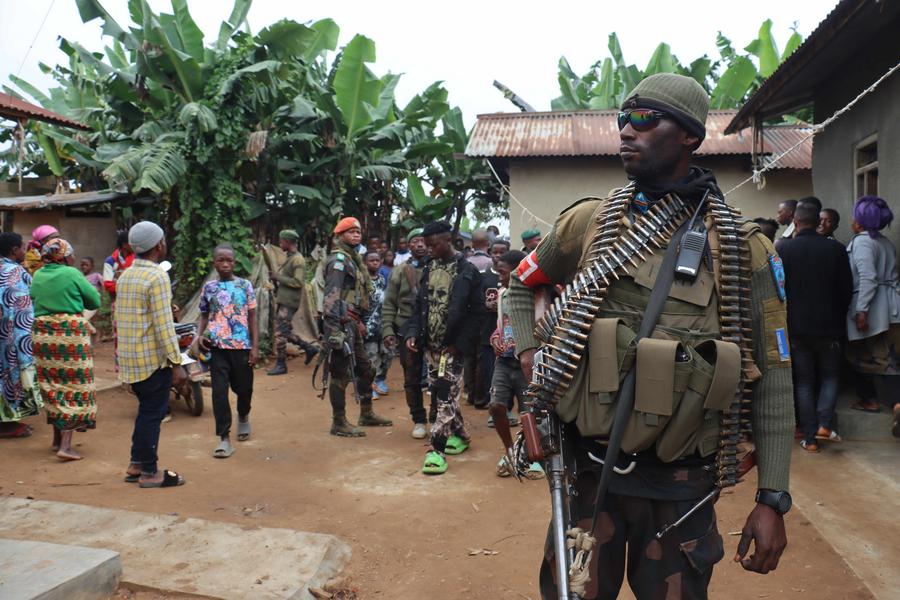
Health officials warned that the outbreak is unfolding in a highly challenging environment marked by insecurity, cross border movement, mining related migration and large refugee populations, all of which increase the risk of transmission.
The outbreak is caused by the Ebola Bundibugyo virus, a less common strain of Ebola for which no licensed vaccine or specific treatment currently exists. WHO said response efforts will rely heavily on supportive care, rapid detection of cases, strict infection control measures, contact tracing, safe burial practices and close engagement with local communities.
This marks the Democratic Republic of Congo’s 17th Ebola outbreak since the virus was first identified in 1976. The country’s previous outbreak ended in December 2025.