
Africa’s economy is forecast to slow slightly in 2026 as the fallout from the Middle East crisis pushes up fuel, food and fertiliser prices and deepens pressure on governments already grappling with inflation and rising debt costs…reports Africa Daily News Desk
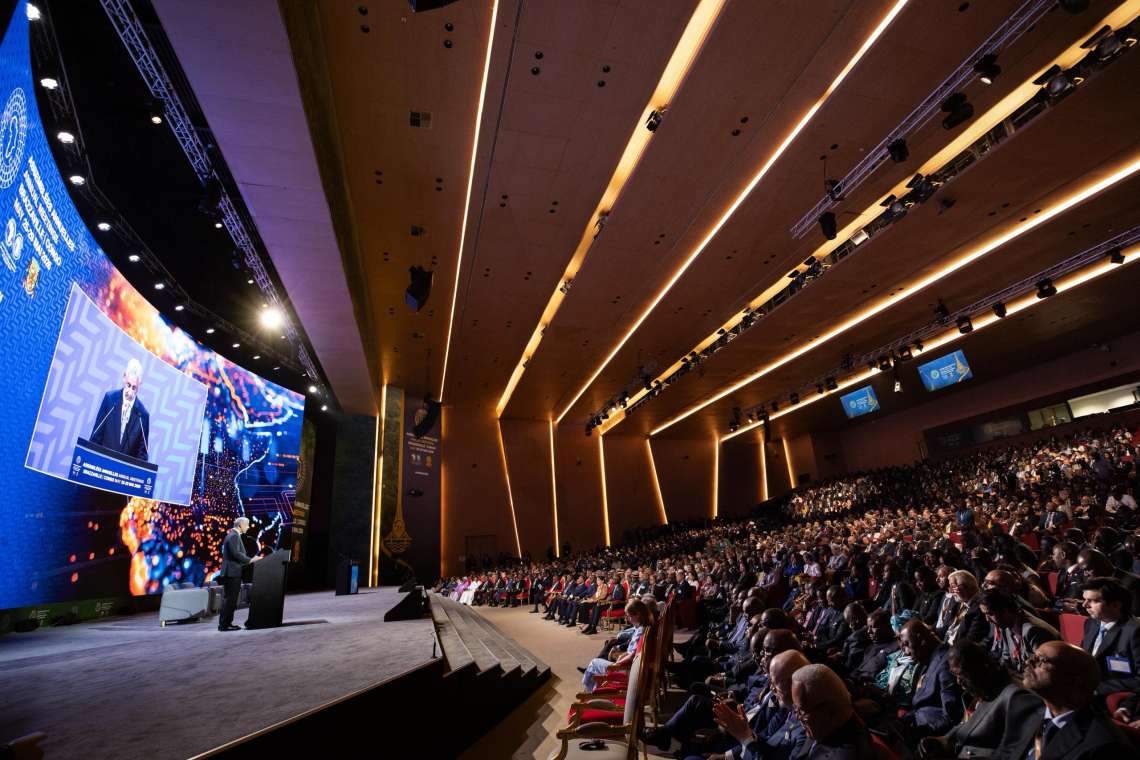
Africa’s economic growth is expected to ease to 4.2% in 2026, down from 4.4% in 2025, according to the African Development Bank’s latest African Economic Outlook released during its annual meetings in Brazzaville.
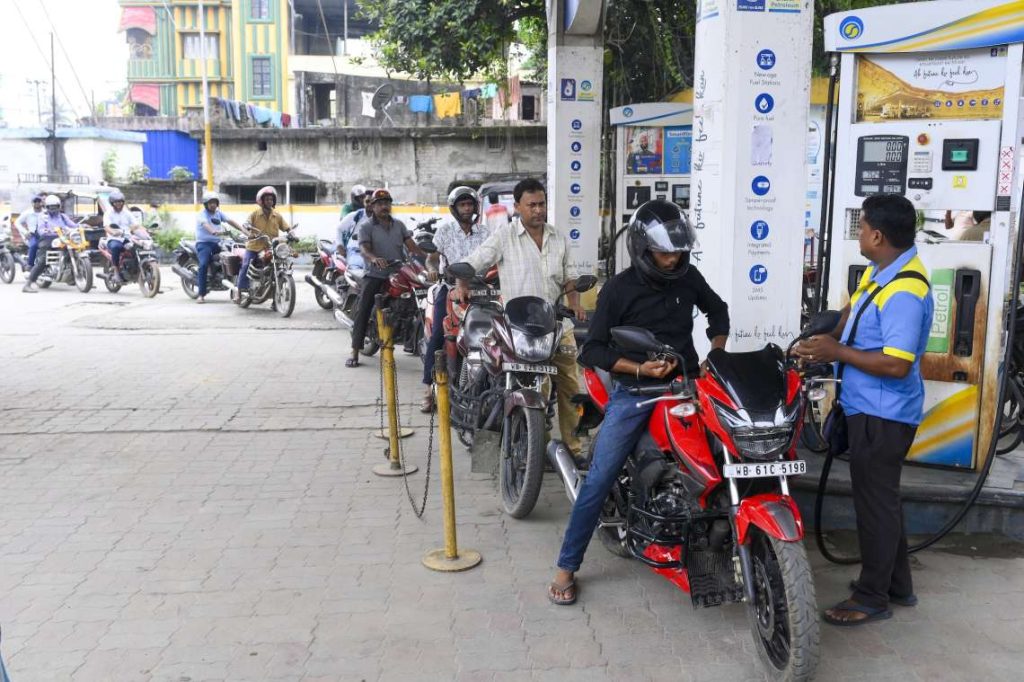
The bank said geopolitical tensions and supply chain disruptions linked to the Middle East crisis are increasing import costs across the continent, particularly for countries heavily dependent on imported fuel, fertiliser and food.
“The impact of this shock on growth and macroeconomic stability will depend on the duration of the supply chain disruptions and their effects on global energy and fertiliser prices,” the bank said in the report.
The AfDB said its current forecast assumes the disruption lasts only a few months, warning that a prolonged conflict could trigger a much deeper economic shock.
While the projected slowdown appears modest, economists say the consequences could be significant for households already struggling with high inflation, weakening currencies and rising living costs.
Despite the challenges, Africa is still expected to remain one of the world’s fastest-growing regions, outperforming Europe and Latin America alongside Asia. More than 20 African countries are forecast to record growth above 5%, supported by stronger agricultural output, higher commodity prices and economic reforms introduced after years of inflation and debt shocks.
The report warned, however, that the recovery remains fragile. Inflation across Africa is projected to stay high at 10.4% in 2026, while tighter global financial conditions and continued currency depreciation are expected to place additional strain on government budgets.
Many African governments are already spending large portions of state revenue servicing debt at a time when international aid flows are weakening as Western economies focus increasingly on domestic political and economic pressures.
The AfDB said the continent faces an annual development financing gap exceeding $1.3 trillion, covering investment needed for infrastructure, healthcare, transport, energy, climate adaptation and other Sustainable Development Goals.
The bank argued that African economies can no longer rely primarily on foreign lenders, donor agencies and external capital markets to fund development. Instead, it called for greater mobilisation of domestic resources, estimating that Africa could unlock as much as $1.43 trillion annually through stronger tax collection, reduced corruption and illicit financial flows, more efficient public investment and deeper capital markets.
The report also highlighted Africa’s growing pool of institutional investment. Pension funds, sovereign wealth funds and insurance companies across the continent collectively manage close to $4 trillion in assets, yet less than 2.7% is invested in infrastructure and productive sectors within Africa.
AfDB President Sidi Ould Tah said boosting investment would be essential if Africa is to generate enough jobs for its rapidly expanding population and reduce poverty significantly. “Achieving sustained and inclusive growth will require a substantial increase in investment,” Tah said.
He added that Africa would need to sustain growth above 7% for decades to meet employment and development goals. Tah has made the creation of a New African Financial Architecture for Development, known as NAFAD, a central part of his presidency as concessional funding and foreign aid continue to shrink.
Economic pressures are expected to vary across the continent. East Africa is forecast to remain the fastest-growing region, although higher energy and import costs are likely to slow growth slightly. Southern Africa faces weaker prospects due to continuing problems in mining output, agriculture and energy supply. North Africa could experience one of the sharpest slowdowns as weaker tourism flows from Gulf countries and wider supply chain disruptions weigh on regional economies.
Central Africa, by contrast, may benefit from elevated oil prices, which could provide a temporary boost for petroleum-exporting economies. The report also warned that prolonged geopolitical tensions, exchange-rate volatility and increasing fragmentation in global markets could worsen debt vulnerabilities and further reduce access to external financing.
The AfDB meetings in Brazzaville have drawn international attention as Africa’s economic importance grows. The continent holds some of the world’s largest reserves of minerals essential for electric vehicles, renewable energy systems and artificial intelligence supply chains.
Africa is also expected to account for a significant share of global population growth in coming decades, potentially making it one of the world’s largest future consumer markets. The bank said stronger pan-African banks, integrated capital markets and financing tools including climate finance and Islamic finance could help reduce dependence on volatile foreign capital.
It also highlighted the launch of the African Credit Rating Agency earlier this year, a move intended to challenge what many African governments view as unfair sovereign risk assessments by major international rating agencies. Separately, concerns over a recent Ebola outbreak in neighbouring Democratic Republic of the Congo briefly raised fears ahead of the meetings. Authorities in the Republic of the Congo and the World Health Organization said no Ebola cases had been detected in the host country, while surveillance measures remained active.