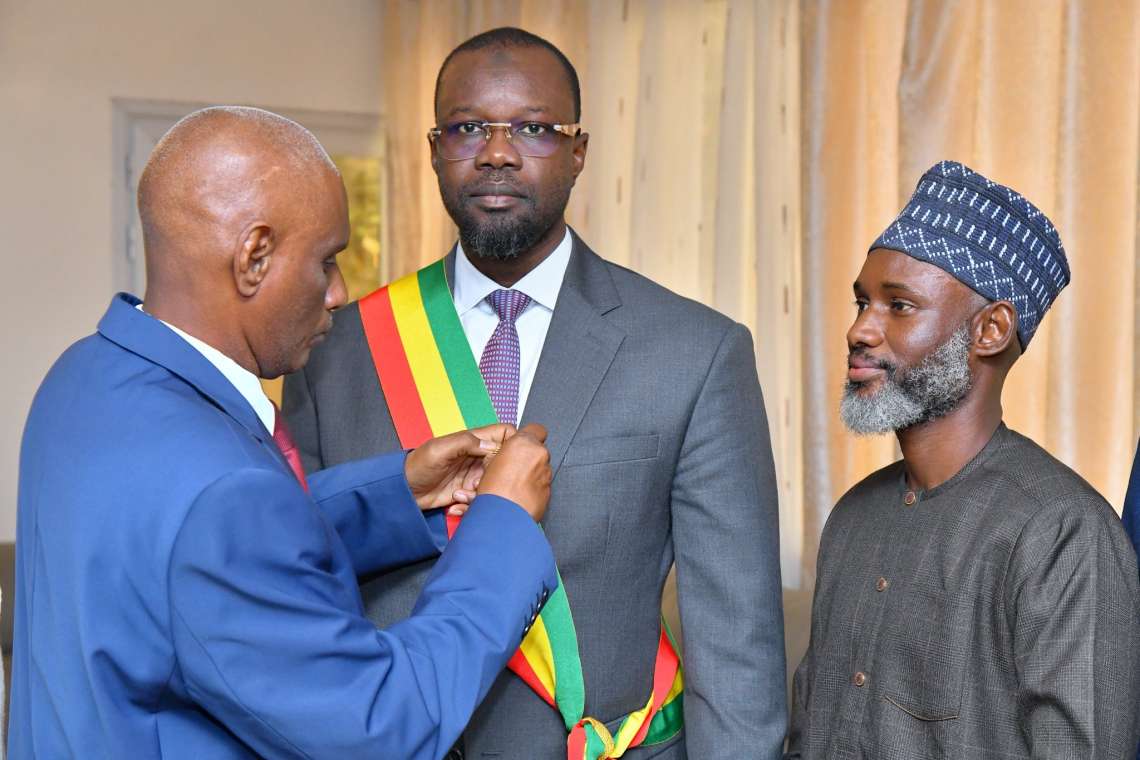

Ousmane Sonko was elected Senegal’s parliament speaker just days after being dismissed as prime minister….reports Africa Daily News Desk
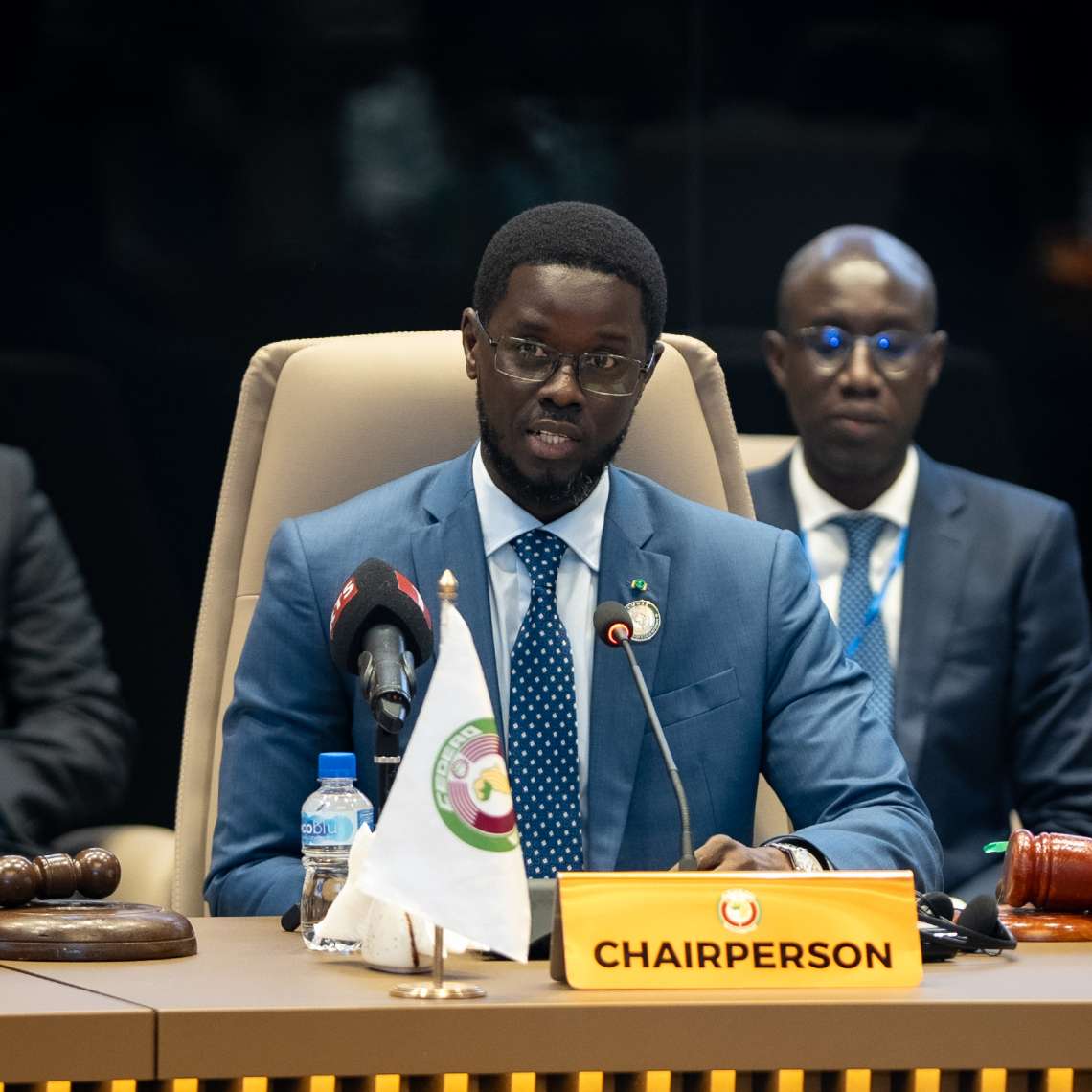
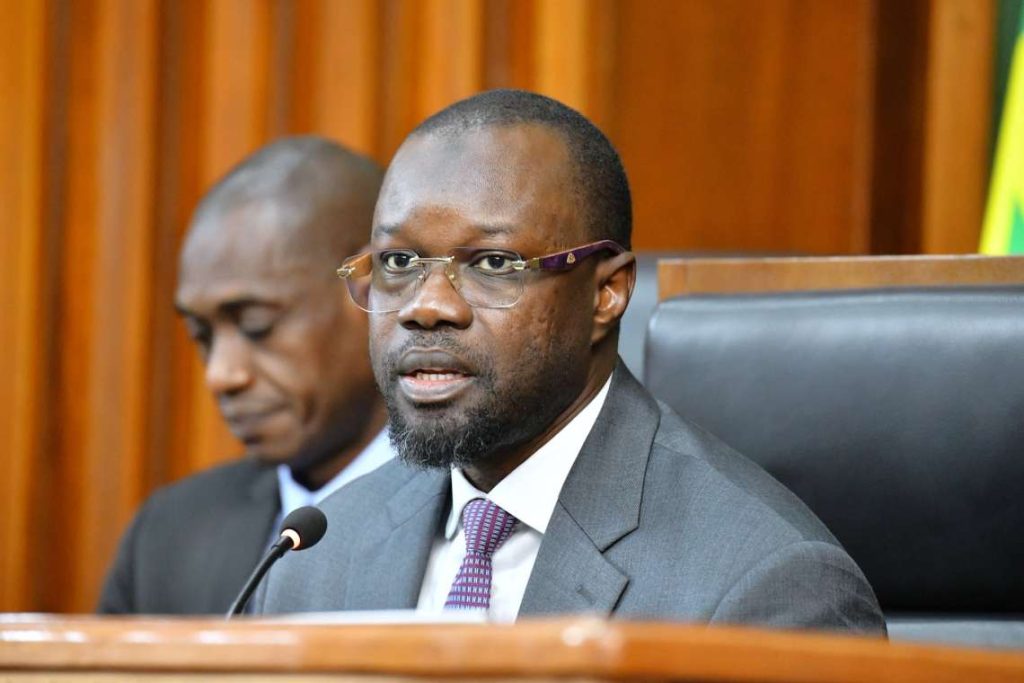
Senegal’s political crisis deepened dramatically after lawmakers elected recently dismissed Prime Minister Ousmane Sonko as speaker of parliament, strengthening the position of the influential opposition figure just days after President Bassirou Diomaye Faye removed him from office.
According to Business Insider Africa, Sonko secured 132 votes in the 165 seat National Assembly on Tuesday after legislators voted earlier in the day to reinstate him as a member of parliament. No lawmaker voted against his appointment, while one abstained.
The move came only four days after President Faye dissolved the cabinet and dismissed Sonko as prime minister amid growing reports of tensions between the two leaders over Senegal’s worsening debt crisis and mounting economic challenges.
Sonko’s rapid political return has intensified speculation about a widening power struggle at the top of Senegal’s leadership, raising fresh questions over the balance of authority within the ruling coalition in one of West Africa’s most closely watched democracies.
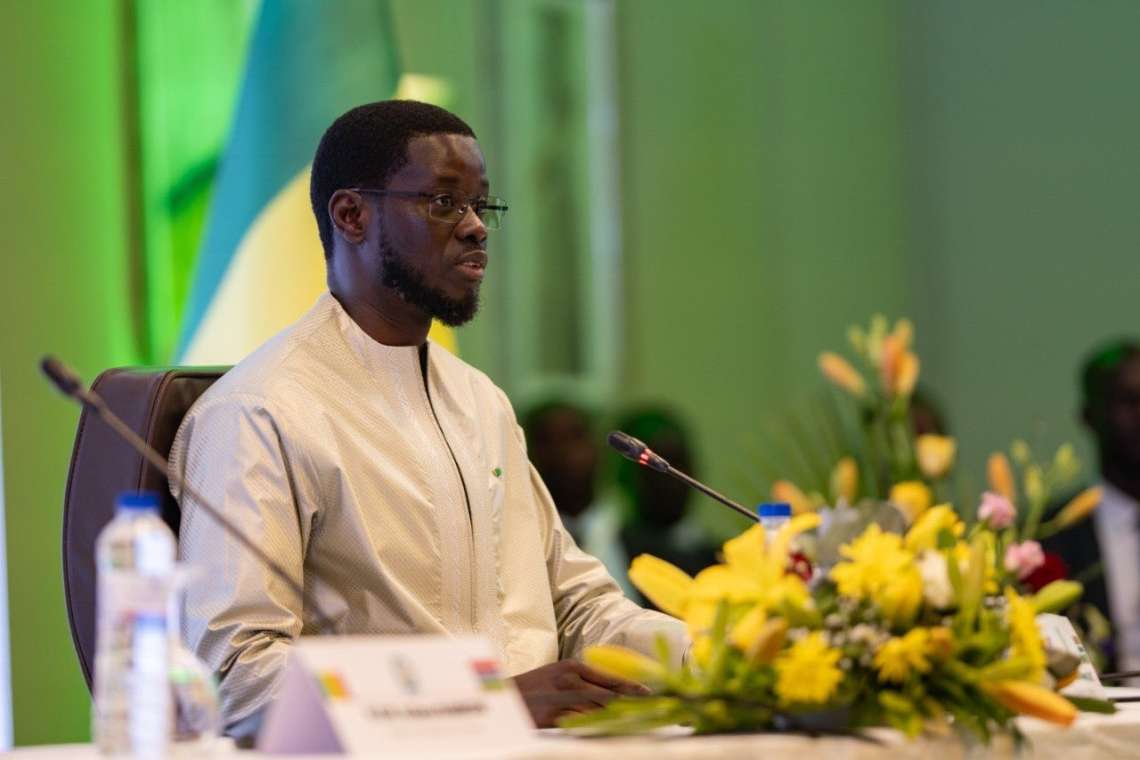
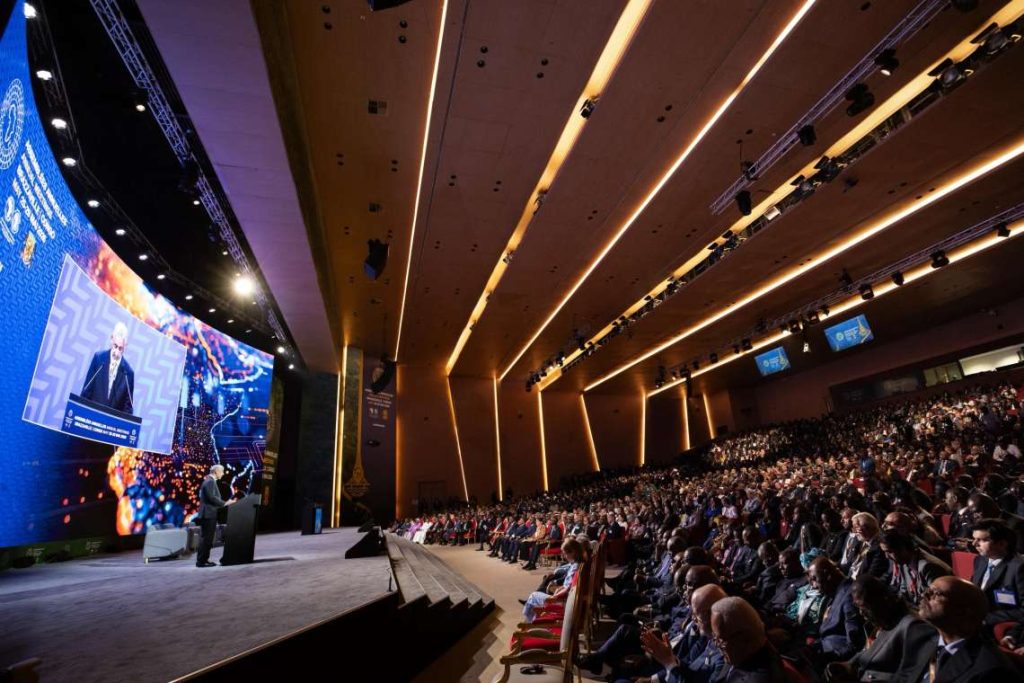
The influential politician, widely regarded as the dominant figure within the ruling Pastef party, received a prolonged standing ovation after the result was announced by presiding lawmaker Ismael Diallo during the parliamentary session. Sonko was the sole candidate for the position.
His election followed the resignation of former National Assembly speaker El Malick Ndiaye, a close political ally who stepped down on Sunday, effectively clearing the path for Sonko’s return to frontline politics.
In a statement announcing his resignation, Ndiaye said the decision came after “deep reflection” and was guided by his “sense of the State” and commitment to Senegal’s national interests.
“After deep reflection, matured in silence, responsibility, and the sense of the State, I have decided to resign from my position as President of the National Assembly of Senegal,” Ndiaye said.
He described the decision as a personal one based on institutional stability, public responsibility and the supreme interests of Senegal.
Ndiaye also thanked lawmakers from both the ruling coalition and opposition, parliamentary staff and the Senegalese public for their trust during his tenure. He paid tribute to members and supporters of the ruling PASTEF party, saying their loyalty and commitment had remained a source of strength throughout his time in office.
“At the moment I leave this high office, I remain deeply convinced that the stability of our institutions, respect for republican dialogue, the preservation of civil peace, national cohesion, and the supreme interest of Senegal must remain our common compass,” he said.
The developments come amid months of reported disagreements between President Faye and Sonko, the powerful leader of PASTEF and one of Senegal’s most influential political figures.
Faye appointed Sonko as prime minister in April 2024 after winning the presidency in an election widely seen as driven by Sonko’s popularity and political machinery. Although Sonko was barred from contesting the presidential election because of a defamation conviction, he continued to wield significant influence within the ruling alliance.
The latest political manoeuvre has triggered fierce criticism from opposition figures. Senior opposition leader Aissata Tall Sall described Sonko’s appointment as an “institutional coup”, arguing that he should have formally resigned as prime minister before reclaiming his parliamentary seat.
She accused the ruling majority of engineering a politically motivated transition designed to preserve Sonko’s influence despite his dismissal from government.
The political uncertainty comes at a difficult economic moment for Senegal, which is grappling with rising debt levels and broader economic pressures.
Meanwhile, President Faye has appointed economist Ahmadou Al Aminou Mohamed Lo as the country’s new prime minister, tasking him with steering Senegal through growing fiscal challenges and economic uncertainty.
The dramatic reshuffle has fuelled concerns about stability within Senegal’s leadership at a time when the country is facing significant economic and political tests.