
Three-year programme targets fiscal reforms, debt management and private sector growth…reports Africa Daily News Desk
The International Monetary Fund (IMF) and Senegalese authorities have reached a staff-level agreement on a new 36-month Extended Credit Facility (ECF) worth about $2.2 billion to support the West African nation’s economic and financial reform programme between 2026 and 2029.
The agreement, however, remains subject to approval by IMF management and its Executive Board, as well as Senegal implementing corrective measures linked to a previous case involving the misreporting of information.
The IMF said the proposed programme, amounting to 1.537 billion Special Drawing Rights, or 475 per cent of Senegal’s quota, is aimed at restoring macroeconomic stability and debt sustainability, reducing fiscal and external vulnerabilities, increasing social spending and supporting sustainable private sector-led growth.
The agreement followed discussions between an IMF mission led by Mercedes Vera Martin and Senegalese authorities in Dakar from August 19 to September 1.
The programme is also expected to help unlock additional financing from the World Bank, African Development Bank and other development partners, subject to the required financing assurances being secured.
Senegal’s economy remained resilient in 2025, recording growth of 6.7 per cent during the first full year of oil production, the IMF said. However, non-hydrocarbon GDP growth slowed sharply to 2.2 per cent.
Inflation remained within the target range at 1.4 per cent, while non-hydrocarbon economic growth rebounded to 4.7 per cent year-on-year in the first quarter of 2026, supported by strong private consumption.
The IMF-backed reform programme will focus heavily on restoring fiscal sustainability while protecting vulnerable households.
The authorities’ fiscal strategy will seek to strengthen domestic revenue mobilisation and rationalise public expenditure, while expanding social safety nets, particularly through targeted cash transfer programmes.
Structural reforms are also expected to support longer-term fiscal consolidation. Senegal plans to adopt a medium-term revenue strategy in 2027 aimed at boosting domestic revenue collection and creating greater fiscal space for priority spending.
The government has also committed to improving fiscal governance through stronger public debt management, closer monitoring of domestic arrears and enhanced oversight of state-owned enterprises.
Reforms aimed at improving the business environment and promoting financial inclusion are expected to support private sector-led growth.
Senegalese authorities have additionally announced plans to seek debt treatment as part of efforts to restore debt sustainability.
The IMF welcomed what it described as the authorities’ continued commitment to addressing vulnerabilities highlighted by the previous misreporting case, but said further decisive action would be needed.
“Strong additional actions will be essential to resolve these misreporting issues and strengthen safeguards to prevent similar situations from occurring in the future,” the IMF mission said.
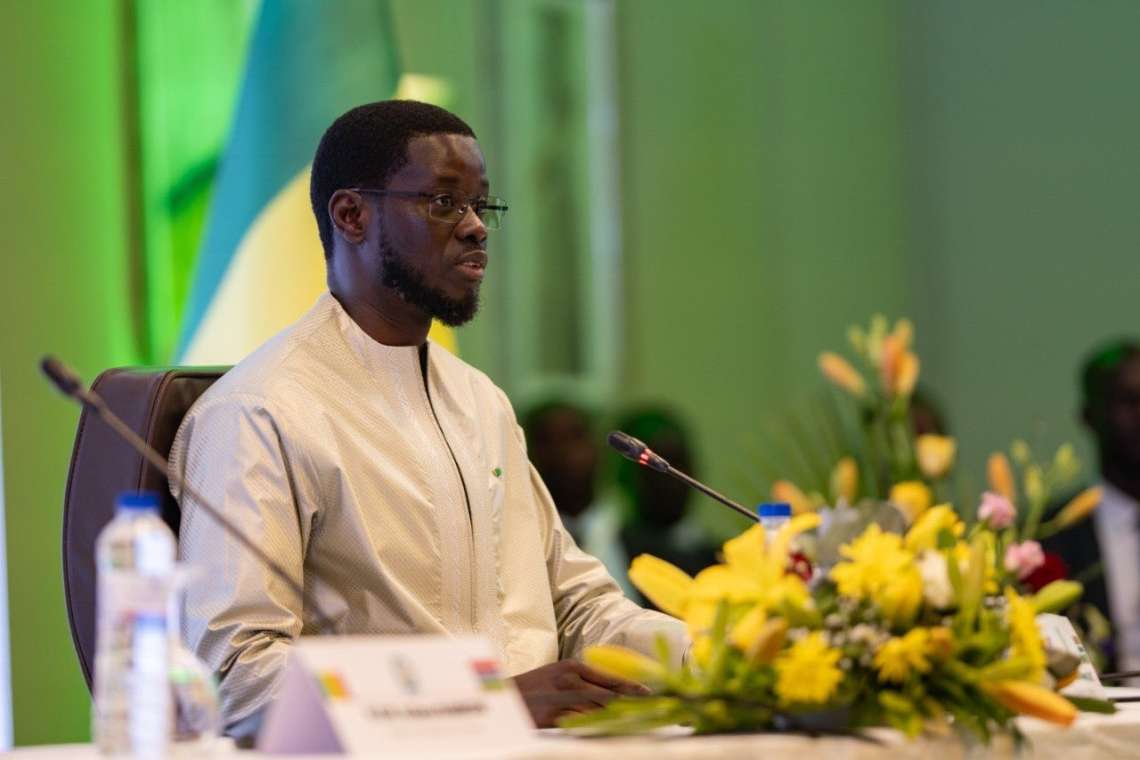
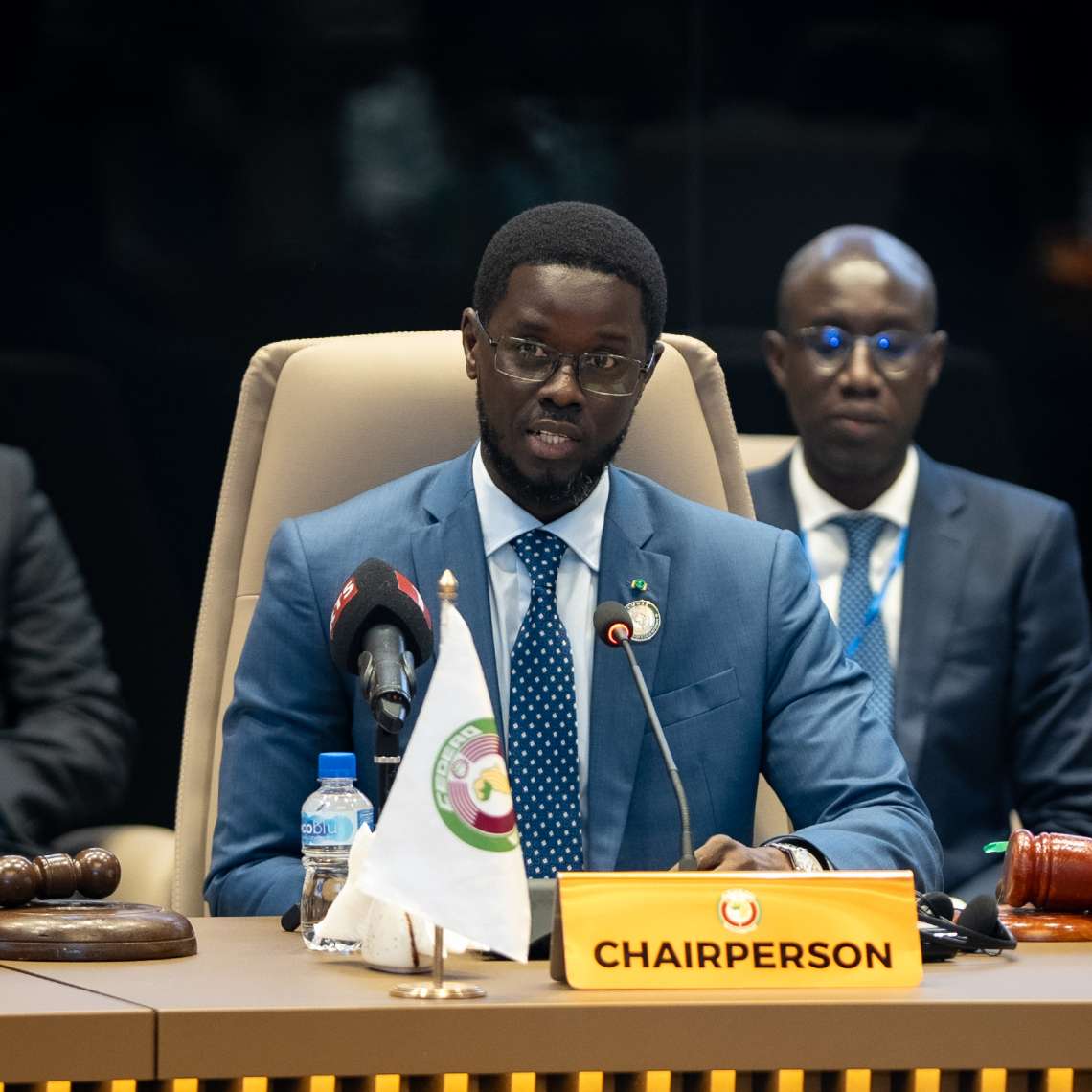
During the visit, the IMF delegation held meetings with President Bassirou Diomaye Faye, Prime Minister Ahmadou Al Aminou Lo and senior government and central bank officials.
The mission also met development partners, representatives of the private sector, civil society organisations and other stakeholders as Senegal seeks to stabilise its public finances while maintaining growth momentum following the start of commercial oil production.