
Human Rights Watch says activists and NGOs face arrests, prosecutions and mass suspensions…reports Africa Daily News Desk
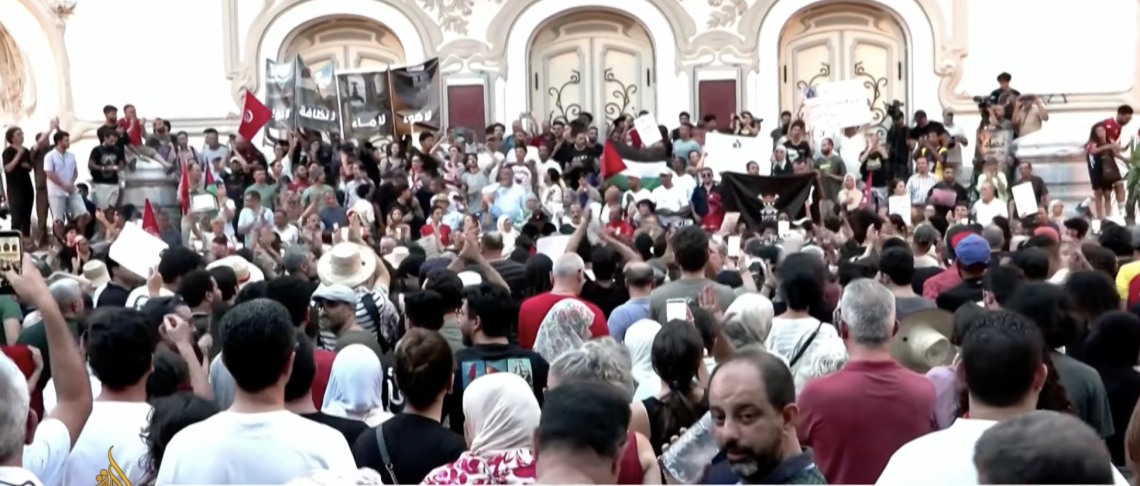
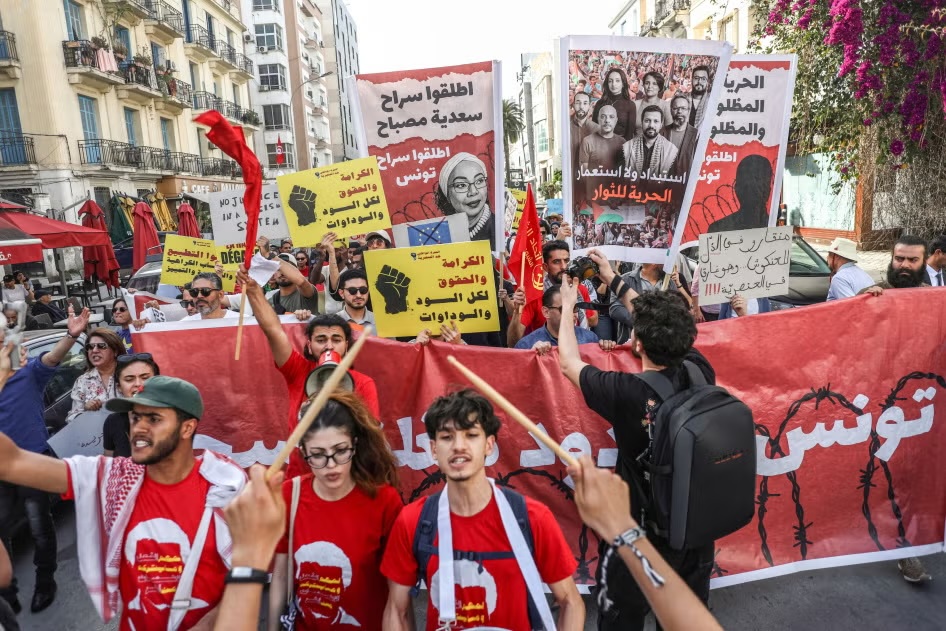
Tunisia’s government has systematically intensified its crackdown on civil society groups and activists since 2024, using arrests, prosecutions, financial investigations and mass suspensions to severely restrict the civic freedoms that emerged after the 2011 revolution, Human Rights Watch said in a new report.
The 49-page report, titled “We Are Living on Borrowed Time: Repression of Civil Society in Tunisia”, said authorities had targeted local and international organisations and their members through what it described as abusive prosecutions, arbitrary arrests, detention, financial and criminal investigations, threats and dissolution proceedings.
Human Rights Watch said the crackdown had effectively shrunk Tunisia’s once-vibrant civic space, with authorities increasingly using legal and administrative measures against organisations involved in human rights, migration, anti-racism and other advocacy work.
Since 2022, President Kais Saied has publicly criticised civil society organisations and NGOs, portraying some as threats to national sovereignty, the rights group said. Between May and December 2024, several workers from organisations assisting refugees, asylum seekers and migrants, as well as groups combating racism and discrimination, were arrested.
According to the report, at least 47 people linked to nongovernmental organisations have since faced prosecution, while at least 10 have been held in preventive detention for more than 14 months.
At least 14 people connected to civil society organisations were convicted and sentenced to prison following trials in 2025 and 2026, Human Rights Watch said. Among them was prominent human rights defender Saadia Mosbah, who received an eight-year prison sentence and a heavy fine in March.
Several targeted associations have since ceased operations, the report added.
Authorities have also launched financial and criminal investigations into numerous organisations. At least a dozen associations were notified of investigations in late 2024, including the regional office of Amnesty International and local anti-corruption group I Watch, according to Human Rights Watch.
The investigations have placed significant administrative and operational pressure on the groups and resulted in at least two organisations having their bank accounts frozen.
Human Rights Watch also documented the suspension of at least 20 civil society associations between July and October 2025 and again between April and May 2026. It said the exact number could be higher due to the lack of official data.
Some of the suspensions allegedly bypassed due process, with organisations either not receiving legally required warnings or being denied responses after attempting to address allegations against them.
Several groups now face the risk of permanent dissolution, the report said.
“By dismantling the space for civil society, the authorities are trying to ensure no one is left to hold them accountable,” Bassam Khawaja, deputy Middle East and North Africa director at Human Rights Watch, said.
The organisation called on Tunisian authorities to end restrictions on freedom of association, halt what it described as abusive investigations and judicial harassment, and release activists and NGO workers detained over their legitimate activities.
It also urged the international community, including the European Union and its member states, to press Tunisia to protect civic freedoms and halt what Human Rights Watch described as a sharp deterioration in human rights.