
UN chief António Guterres has urged investors to deepen partnerships with Africa, create local value and back its growing markets, resources and entrepreneurs….reports Africa Daily News Desk
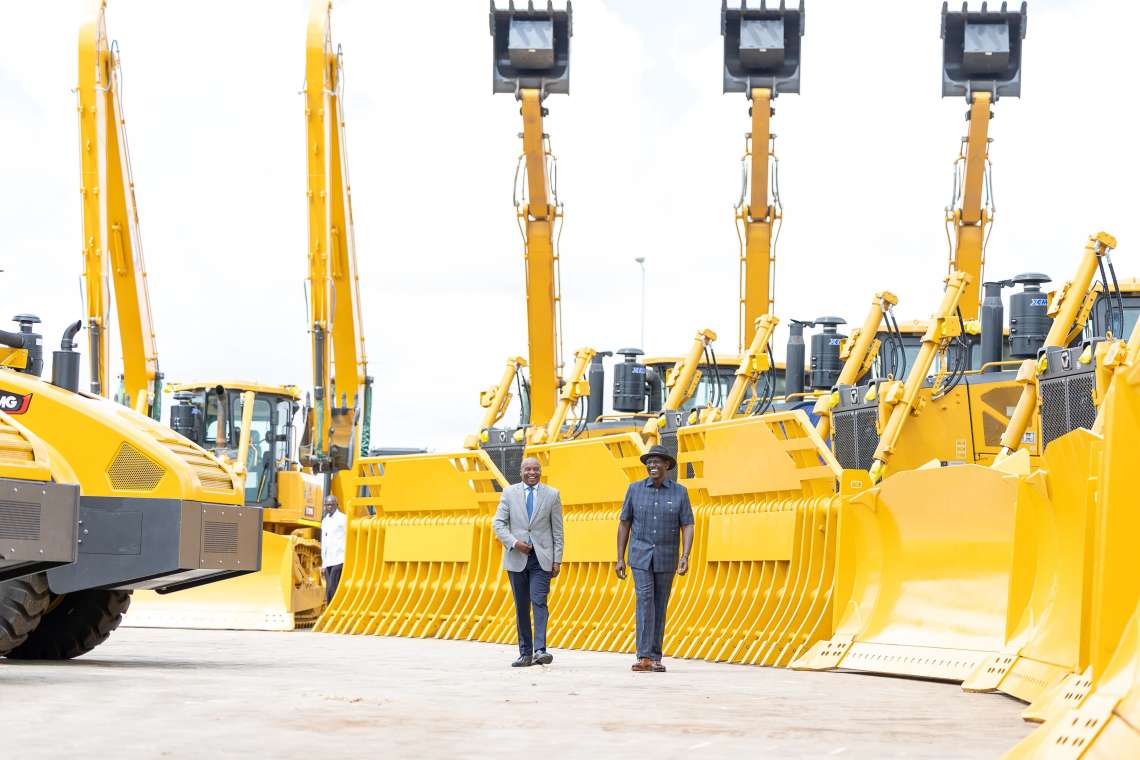
UN Secretary-General António Guterres has described Africa as a potential “gamechanger” for global business, urging investors to move beyond extracting the continent’s resources and build industries that create value, jobs and prosperity locally.
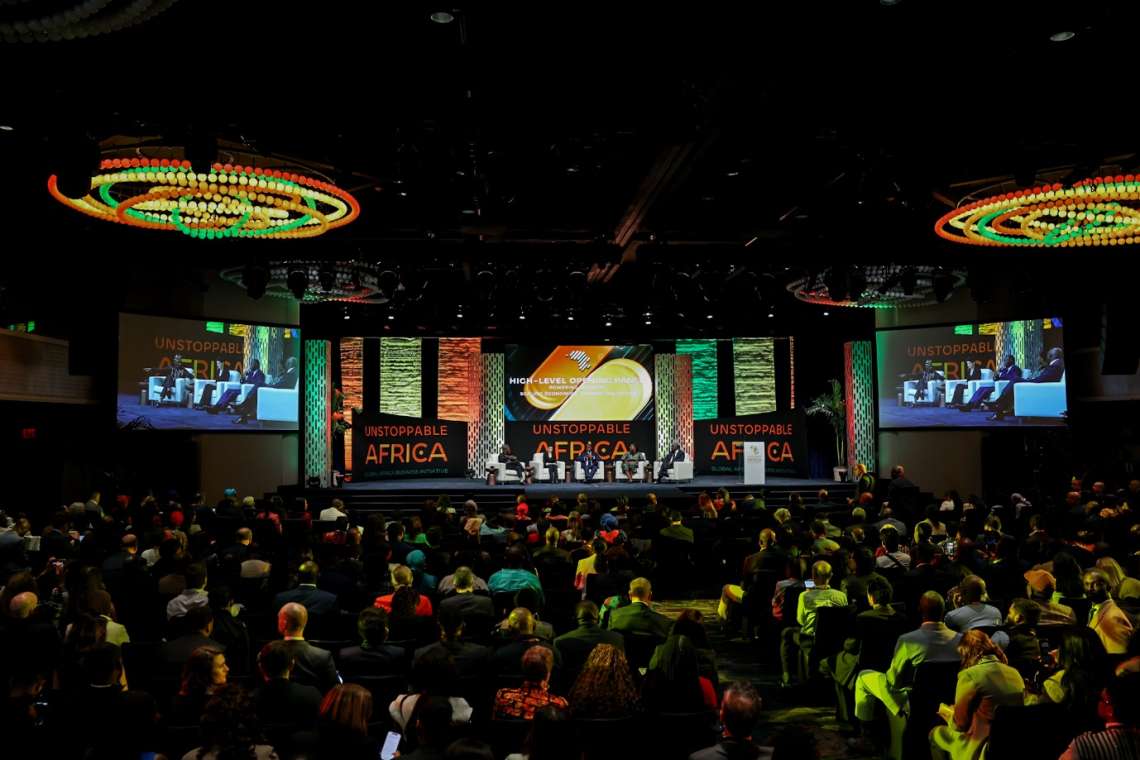
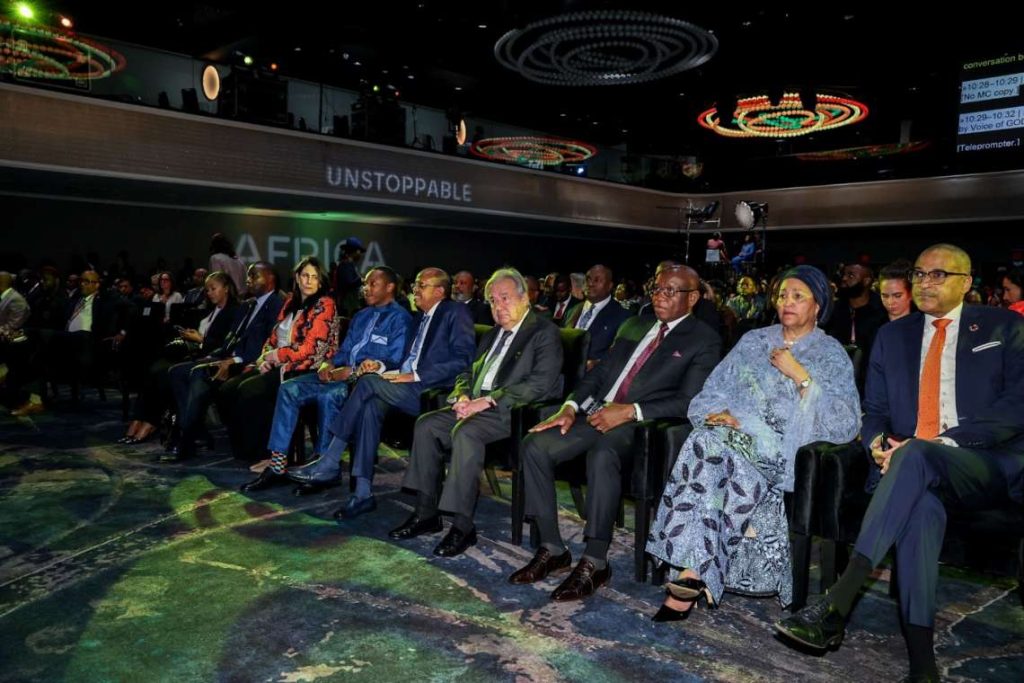
Speaking at the fifth annual Global Africa Business Initiative’s Unstoppable Africa gathering in New York, Guterres said Africa’s economic transformation was gaining momentum and called for stronger partnerships between African economies, businesses and international investors.
“Africa’s future must be shaped by Africans, for Africans,” he said, arguing that the continent was moving from a model of “doing business in Africa” towards “doing business with Africa”.
Guterres highlighted Africa’s growing workforce, vast mineral resources, renewable energy potential and expanding technology and entrepreneurship sectors. He put the continent’s market opportunity at around $3 trillion.
The 2026 Unstoppable Africa gathering brought together more than 3,000 participants, including heads of state, business leaders, investors, entrepreneurs and policymakers, according to UN officials.
The Secretary-General pointed to renewable energy, technology, entertainment and financial technology as sectors already demonstrating the scale of Africa’s economic opportunities.
Kenya generates more than 90 per cent of its electricity from renewable sources, while Morocco is developing plans for a submarine electricity cable linking the country with Europe, he said.
He also cited developments in artificial intelligence and computer vision in Tunisia, drone delivery in Rwanda, and the expanding global reach of music and film from countries including Nigeria, South Africa and Senegal.
Africa’s fintech sector has become a major destination for investment capital, while intra-African trade is receiving a boost from the African Continental Free Trade Area, Guterres said.
The continent’s economic performance has also remained relatively resilient despite global shocks. The African Development Bank estimates that Africa’s economies grew by 4.4 per cent in 2025, with 22 countries recording growth above 5 per cent. It forecasts continental growth of 4.2 per cent in 2026.
But Guterres warned that global trade tensions, rising competition for critical minerals, conflicts and higher costs were creating significant challenges for African economies.
The African Development Bank has similarly warned that geopolitical tensions and supply-chain disruptions are weighing on the continent’s outlook, while inflation and tighter financial conditions continue to constrain investment.
For Guterres, however, the disruption also creates an opportunity for African countries to reduce dependence on exporting raw materials and develop industries that retain more value within the continent.
“We must ensure that Africa’s vast natural resources — particularly critical minerals — create local value and decent jobs, rather than simply being shipped overseas,” he said. “No more plundering.”
The issue is increasingly important as demand for minerals such as cobalt, lithium, copper and rare earth elements rises because of the global shift towards renewable energy, electric vehicles and battery storage.
A recent UN analysis said Africa holds around 30 per cent of global critical mineral reserves, while the continent receives only about 2 per cent of global clean-energy investment. The UN has warned that the energy transition should not reproduce patterns in which African countries export raw materials without securing greater economic value from them.
Guterres called for greater investment in manufacturing, clean energy and local industries, alongside stronger financing for development.
He also renewed his call for reforms to the international financial architecture, arguing that institutions created largely before African countries gained independence do not adequately reflect the continent’s economic weight or development needs.
Multilateral development banks, he said, should become “bigger, bolder and better” and mobilise significantly more private capital for Africa.
Women and young people were also central to his message. Guterres said women account for more than half of business owners on the continent but receive only a small share of investment, while Africa’s young population represents a major source of entrepreneurial and economic potential.
Climate finance, he added, must match international commitments, particularly for adaptation.
Guterres also linked economic development to peace and political stability, warning that investment cannot deliver sustainable prosperity in countries affected by conflict.
He called for greater African ownership of conflict resolution and highlighted local mediation efforts in Ethiopia and the Democratic Republic of the Congo.
The Secretary-General also reiterated his support for permanent African representation on the UN Security Council, arguing that Africa’s absence from the institution’s permanent membership is a historical legacy of colonialism.
“Africa commands an ever-greater influence in world markets — and speaks with ever-greater authority on the world stage,” Guterres said.
“We must ensure that its growth serves Africa’s people first and foremost and secures the future they deserve. A rising Africa is a rising world.”
The challenge now is to convert Africa’s resource wealth, demographic strength and expanding markets into investment, industrial capacity and jobs that remain on the continent, rather than allowing another cycle of raw-material extraction without broad-based economic gains.
The African Development Bank’s 2026 outlook similarly calls for stronger domestic resource mobilisation, regional integration and increased long-term investment to help African economies withstand global shocks and finance development at scale.