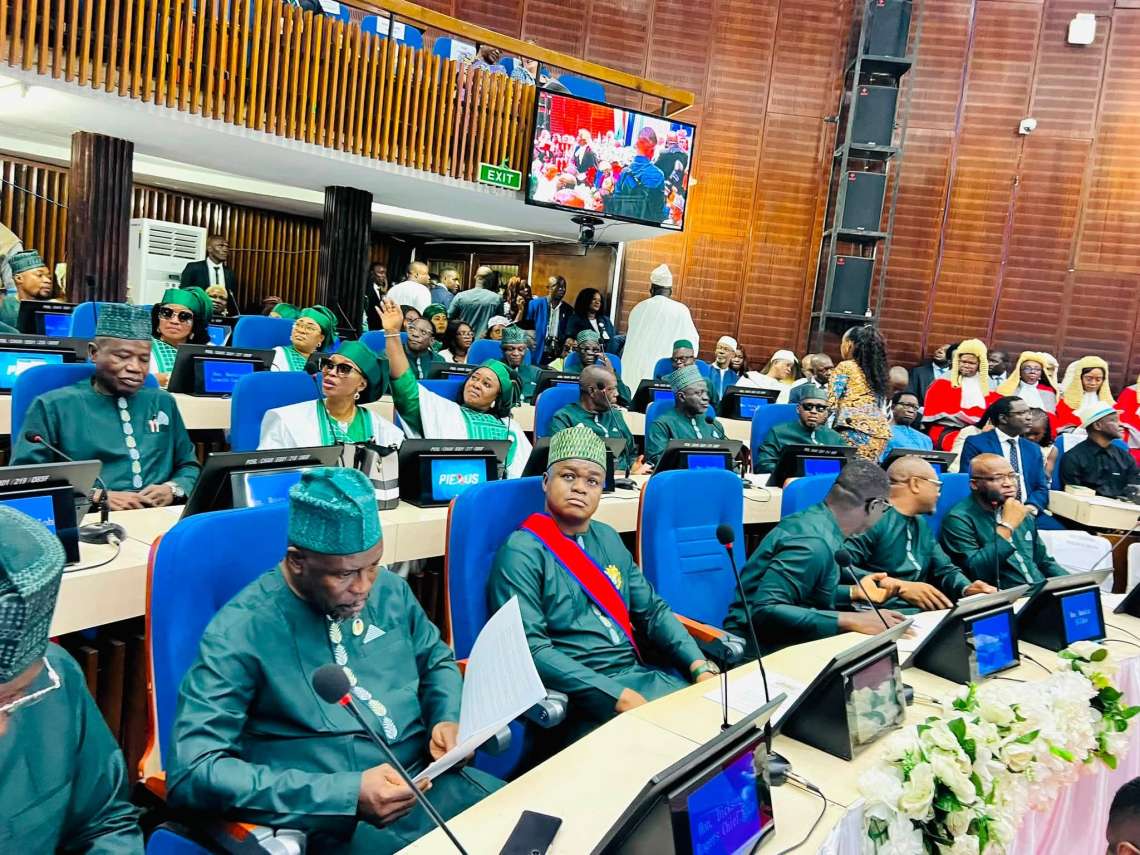

Sierra Leone’s Parliament has approved sweeping electoral reforms ahead of the 2028 presidential election….reports Africa Daily News desk
Sierra Leone’s Parliament on Monday approved a constitutional reform package that would overhaul the country’s electoral rules ahead of the 2028 presidential election, following weeks of resistance from the opposition.
The bill, backed by the ruling Sierra Leone People’s Party (SLPP), was adopted by a “simple majority of members present”, Parliament Speaker Segepoh Solomon Thomas said after the session. No voting figures were released.
According to Africanews, lawmakers from the main opposition All People’s Congress (APC) walked out of the session after unsuccessfully arguing that the reforms required a two-thirds majority.
The proposed changes would reduce the share of votes required to win the presidency from the current 55 per cent threshold to a simple nationwide majority. They would also introduce proportional representation for legislative elections.
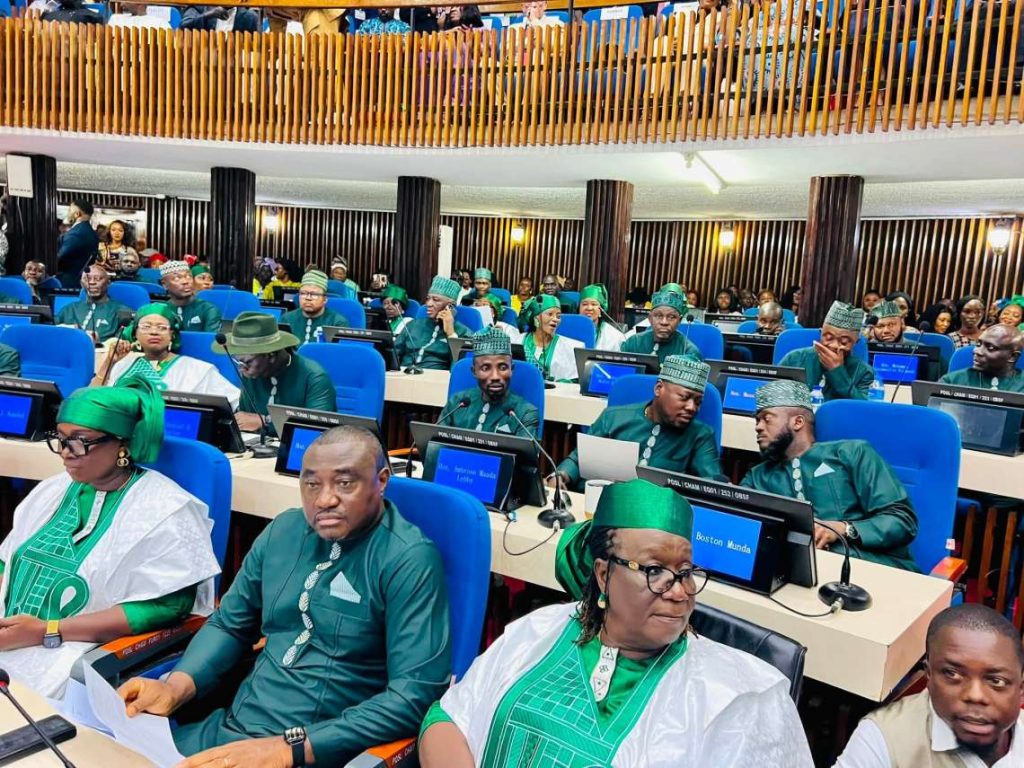
The reforms include a 30 per cent quota for women in political leadership positions.
Under the proposed rules, a presidential candidate would also need to secure at least 20 per cent of the vote in two-thirds of Sierra Leone’s districts to avoid a run-off.
The constitutional changes would further require the president to consider regional balance, gender equality and minority inclusion when making government appointments.
The ruling SLPP has argued that the reforms would strengthen democracy while reducing the financial costs, political tensions and security risks associated with presidential run-offs, Africanews reported.
The opposition APC has opposed the changes and wants to retain the existing 55 per cent threshold. The party argues that the current system encourages presidential candidates to seek broader support across the country and gives the eventual winner greater legitimacy, according to Africanews.
The approval came a day after President Julius Maada Bio urged lawmakers to support the contested reforms. Bio is serving his final term and cannot run again in 2028.
The debate over the proposed changes has heightened political tensions ahead of the next presidential election, with the government defending the reforms as necessary to modernise the electoral system while the opposition has questioned the process used to approve them.
According to Africanews, the reforms are expected to reshape the rules governing presidential and legislative elections ahead of the 2028 vote.