
The UN Security Council has unanimously extended sanctions targeting armed groups and individuals in the Central African Republic (CAR) until July 2027. …reports Asian Lite News Desk
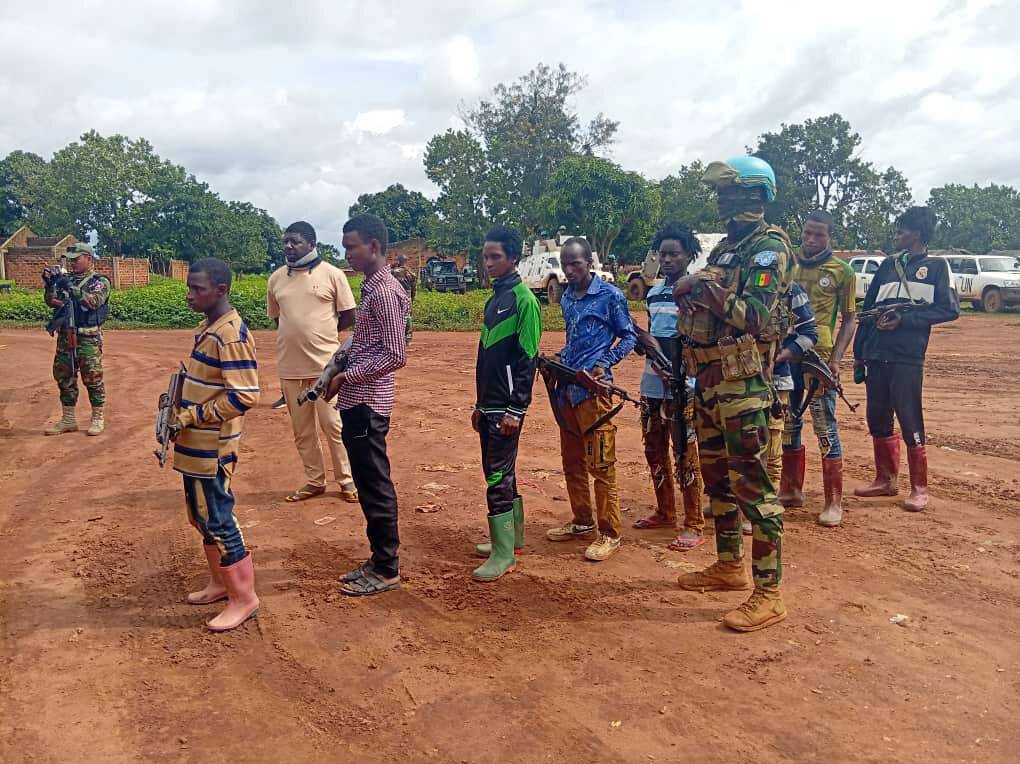
The United Nations Security Council has unanimously voted to extend sanctions targeting non-State armed groups and individuals operating in the Central African Republic (CAR) for another year, citing the continued threat posed by armed groups despite improvements in the country’s security situation.
Adopting Resolution 2827 (2026), the 15-member Council decided to renew until 31 July 2027 the sanctions measures established under Resolution 2745 (2024), including an arms embargo on non-State armed groups and associated individuals, as well as travel bans and asset freezes against those undermining peace and stability.
Under the renewed measures, all UN Member States are required to prevent the direct or indirect supply, sale or transfer of arms and related materiel to armed groups and associated individuals operating in the Central African Republic.
The Security Council also extended until 31 August 2027 the mandate of the Panel of Experts assisting the 2745 Sanctions Committee. The panel will continue monitoring the implementation of the sanctions regime and submit its midterm and final reports by 31 January 2027 and 15 June 2027, respectively.
The sanctions regime was first established in 2013 through Resolution 2127 amid widespread armed conflict, political instability and serious human rights violations in the Central African Republic. The measures were designed to curb the flow of weapons, deter those threatening the country’s peace process and hold accountable individuals responsible for attacks on civilians and violations of international humanitarian and human rights law.
Before the vote, France welcomed what it described as significant progress made by the Central African Republic in strengthening democratic governance and restoring State authority in recent years.
However, the French representative said the security situation remained fragile, particularly in the country’s northeastern and southeastern border regions, where armed groups continue to operate.
“It’s a responsibility of the Council to support the Central African Republic in the fight against armed groups,” the representative said, adding that the resolution was intended to curb the cross-border flow of weapons.
“It is a question of using all the tools at our disposal in coordination with the Central African Republic to exert sufficient pressure on the armed groups,” the representative added.
Following the adoption of the resolution, China’s representative also welcomed the extension of the sanctions regime, saying the Central African Republic had made notable gains in improving security and restoring State authority, marking what he described as “a new chapter in national development”.
He said the continued implementation of the arms embargo, travel bans and related sanctions remained essential in supporting the Government’s efforts to combat armed groups and urged all countries to fully comply with the measures.
China also reiterated its support for the Central African Republic’s sovereignty, territorial integrity and national development.
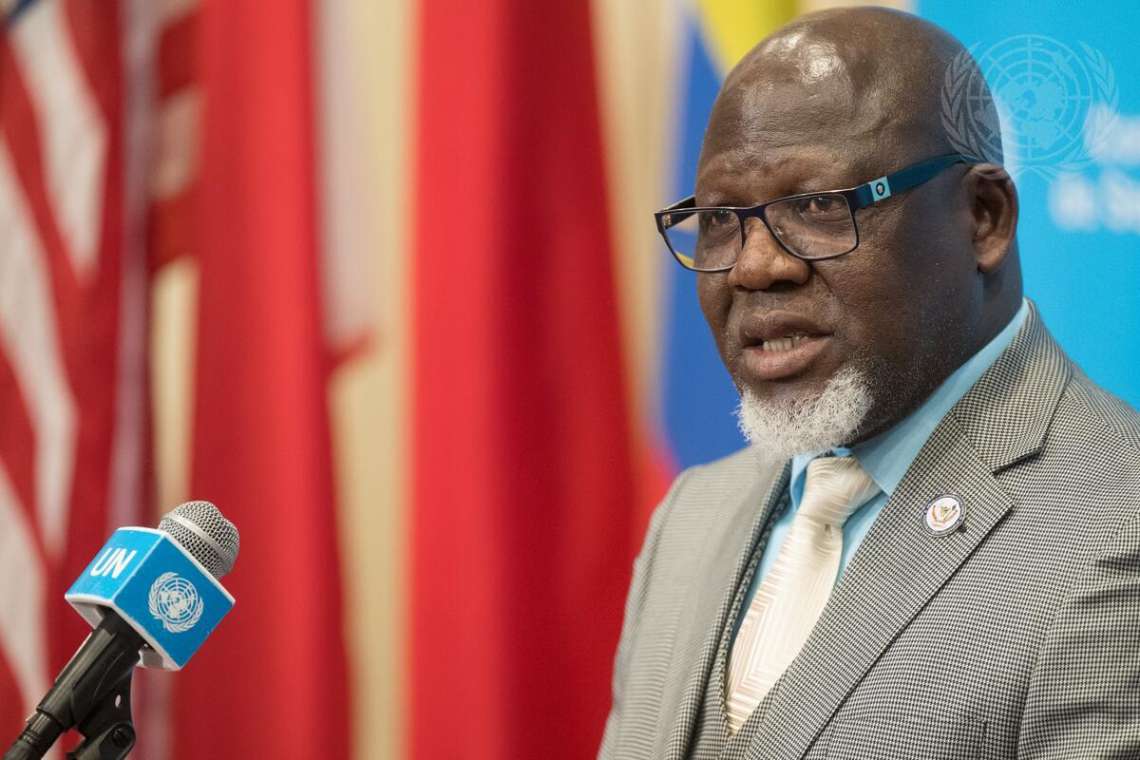
The representative of the Central African Republic acknowledged the progress made in improving security but stressed that armed groups and the cross-border networks supplying them continued to pose a major challenge.
He urged the Security Council to focus not only on the armed groups themselves but also on those financing and supporting them.
“The question is not about the armed groups themselves, but about the wider ecosystem,” he said, adding that “Collective Council action can yield results.”
The extension of the sanctions underscores the Security Council’s view that, despite recent gains in governance and security, sustained international measures remain necessary to limit the activities of armed groups and support long-term stability in the Central African Republic.