
UN officials have warned that the Ebola outbreak in the Democratic Republic of the Congo is spreading faster than international efforts to contain it….reports Africa Daily News Desk
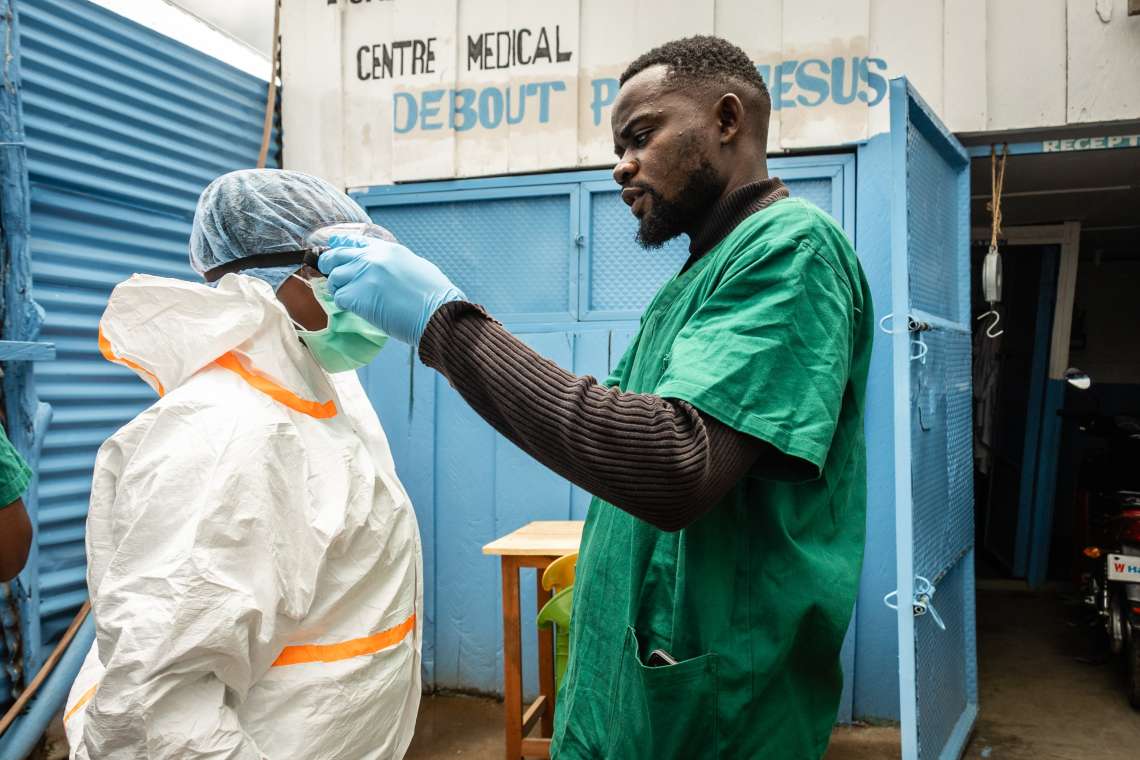
Two senior United Nations officials have called for an urgent expansion of the international response to the Ebola outbreak in the Democratic Republic of the Congo (DRC), warning that the epidemic is spreading at a pace that is far exceeding current containment efforts.
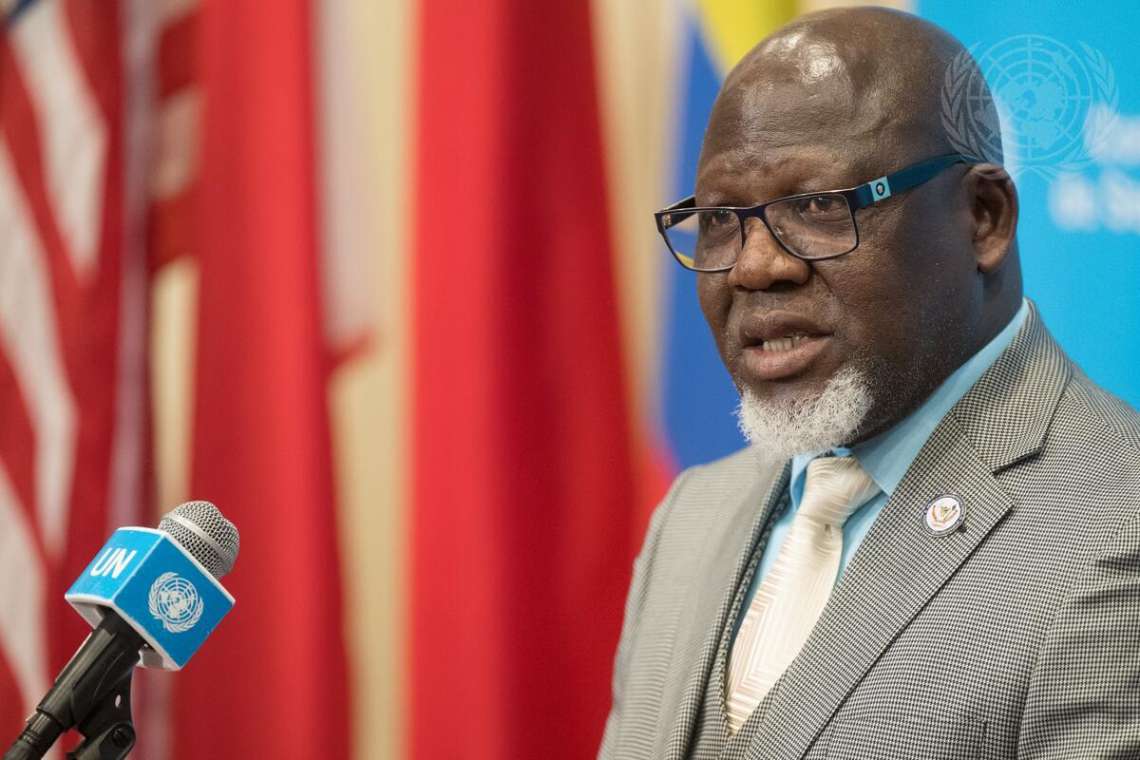
Speaking during a virtual press briefing from Bunia, the capital of Ituri province and the epicentre of the outbreak, Julien Harneis, the UN’s senior Ebola coordinator, and Carl Skau, Acting Executive Director of the UN World Food Programme (WFP), urged the global community to provide greater financial support, medical resources and logistical assistance to tackle the escalating health emergency.
Harneis said the outbreak is worsening rapidly, with fatalities and infections rising at an alarming rate.
“In the last 24 hours, 50 people have died of Ebola in the Congo. And the number of cases is growing exponentially, doubling every 20 days. This is a far faster growth than the growth in our response. And so the gap between the epidemic and our response is widening,” he said.
Skau described the outbreak as the fastest-growing Ebola crisis ever recorded, highlighting the speed at which the disease has claimed lives.
“To make a comparison, in the past two months, 1,000 people have died (in DRC). That took 8 months for 1,000 people to die in West Africa,” he said.
The officials stressed that the humanitarian response must be significantly strengthened to keep pace with the epidemic. They called for additional funding, medical supplies, healthcare workers and improved access to affected communities.
Harneis also urged UN member states to keep borders open to facilitate the movement of Ebola response teams and the rapid delivery of essential supplies. He said unrestricted travel would also ensure that humanitarian personnel deployed to the DRC could safely return to their home countries when required.
The outbreak is unfolding against the backdrop of a prolonged conflict in eastern DRC, which has severely weakened the country’s humanitarian situation. According to Skau, the violence has pushed nearly 10 million people into crisis or emergency levels of food insecurity.
Ituri province, where the Ebola outbreak is centred, is among the regions worst affected by both the conflict and food shortages, with nearly two million people requiring food assistance.
The officials warned that humanitarian operations are facing severe financial constraints. Harneis said the UN’s humanitarian response plan for the DRC requires US$2.1 billion but has received only 45 per cent of the required funding.
Skau added that the WFP alone needs US$76 million over the next six months to support logistics for the Ebola response. He noted that this funding requirement covers only logistical operations and does not include the provision of food assistance.
The officials reiterated that without a substantial increase in international support, the gap between the rapidly expanding outbreak and the global response will continue to widen, making it increasingly difficult to contain the disease and protect vulnerable communities.