
Senior UN and AU officials met in New York to review security crises across Africa and strengthen cooperation on mediation, peace operations and conflict prevention…reports Africa Daily News Desk
The United Nations and African Union have reaffirmed their commitment to closer cooperation on peace and security across Africa, with the two organisations discussing conflicts and political crises in the Democratic Republic of the Congo, the Horn of Africa, Sudan and South Sudan.
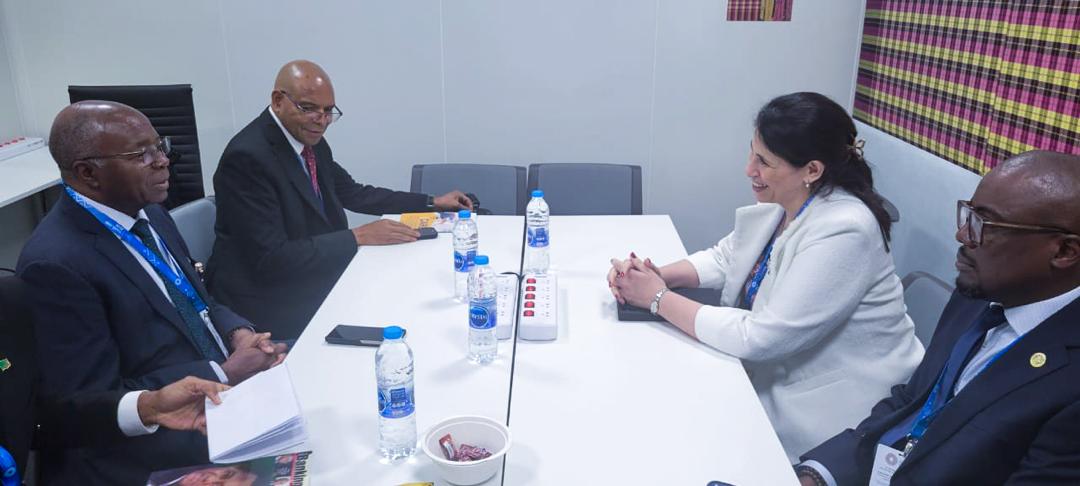
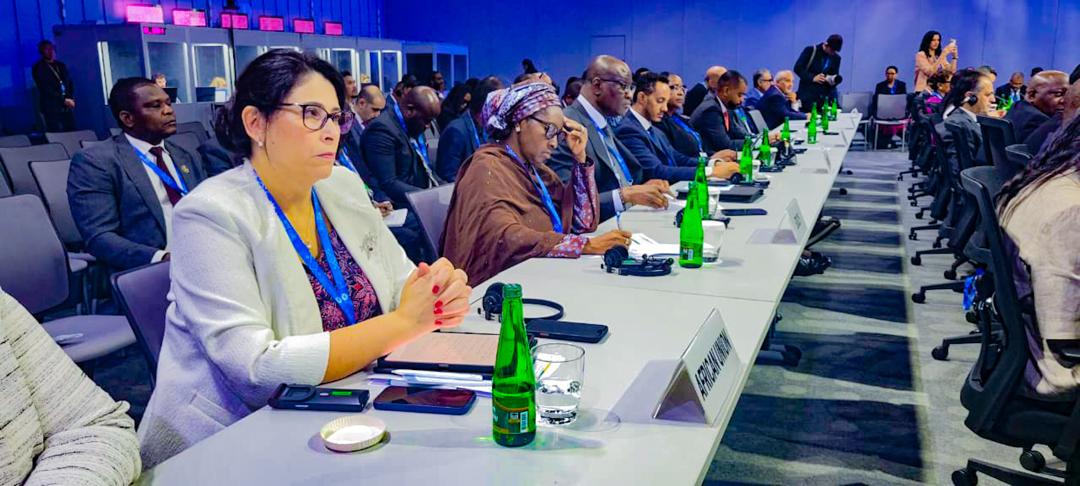
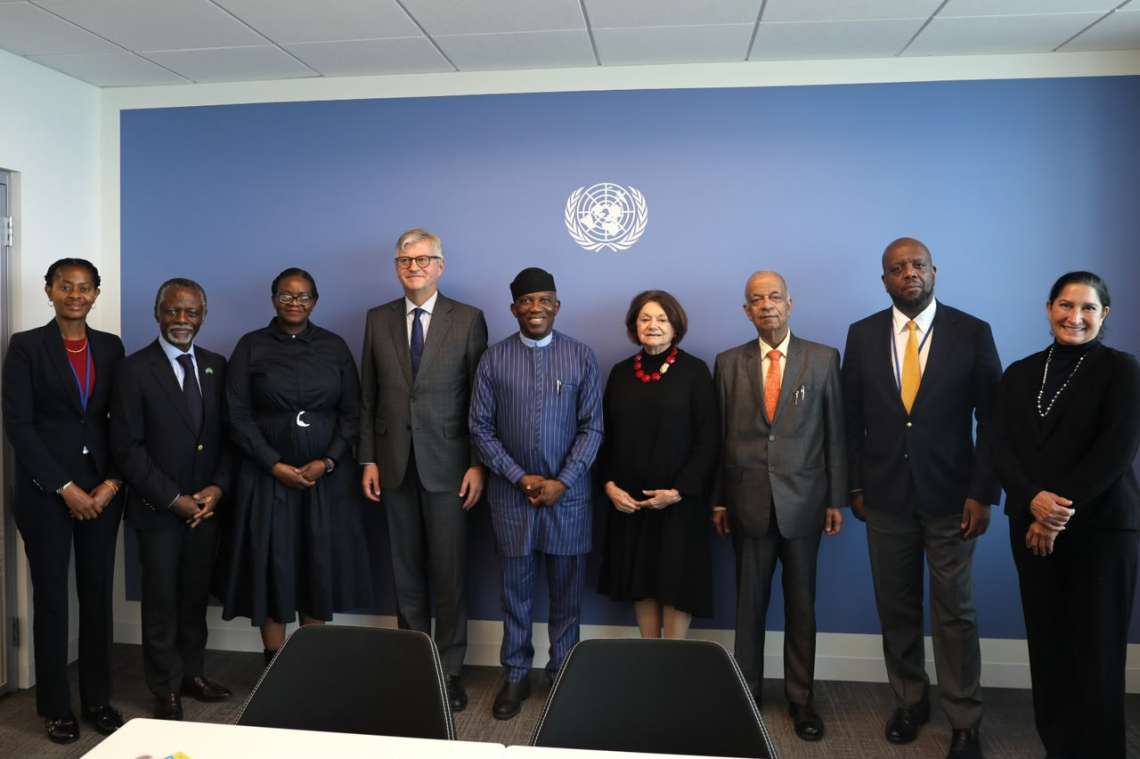
The commitments were made during the 27th consultative meeting of the UN-African Union Joint Task Force on Peace and Security, held in New York on 26 September 2026.
The meeting reviewed the wider UN-AU partnership, including implementation of the Joint UN-AU Framework for Enhanced Partnership in Peace and Security. It also considered progress on UN Security Council Resolution 2719, adopted in December 2023, which provides a framework for the financing of African Union-led peace support operations on a case-by-case basis.
The African Union Commission was represented by Commissioner for Political Affairs, Peace and Security Ambassador Bankole Adeoye, while the UN Secretariat was represented by Under-Secretaries-General Rosemary DiCarlo, Jean-Pierre Lacroix and Atul Khare. Other senior officials included the UN Secretary-General’s Special Representative to the African Union, Parfait Onanga-Anyanga, and Assistant Secretary-General for Africa for Political Affairs, Peacebuilding and Peace Operations Martin Kimani.
The Joint Task Force noted progress in cooperation between the UN, AU, Regional Economic Communities and Regional Mechanisms in Africa.
The organisations highlighted continued collaboration in supporting AU-led peace support operations, early warning systems, conflict prevention and mediation, as well as the promotion and protection of human rights.
They also welcomed efforts to strengthen operational support cooperation through joint learning and exchanges of knowledge and expertise.
The meeting noted the signing of two agreements on 21 September to deepen that cooperation. These included a renewed Memorandum of Intent on Cooperation in Operational Support and a Memorandum of Understanding on the Knowledge and Expertise Exchange Programme, known as KEEP.
The UN and AU also agreed on the need for greater cooperation in mediation and increased attention to women, peace and security and youth, peace and security initiatives. They also stressed the importance of protecting children in conflict situations.
Horn of Africa
The two organisations reiterated their support for renewed efforts by former Nigerian President Olusegun Obasanjo, the African Union High Representative for the Horn of Africa, to resume direct talks between the parties and support implementation of the Permanent Cessation of Hostilities Agreement.
The meeting expressed concern over recent security incidents and heightened tensions in northern Ethiopia.
The Joint Task Force warned of the risk of miscalculations leading to further escalation and stressed the need to uphold the cessation of hostilities.
It urged the parties to engage in dialogue in good faith to address outstanding issues and agreed to improve coordination aimed at supporting de-escalation and regional stability.
On Somalia, the meeting reaffirmed its support for the African Union Support and Stabilization Mission in Somalia, or AUSSOM, describing it as an important element in efforts to safeguard the country’s security and stability.
The meeting also recognised the role of the United Nations Support Office in Somalia in providing logistical and operational support to AUSSOM.
The Joint Task Force stressed the importance of an orderly and structured security transition, supported by sustained international assistance, to preserve gains made over the past decade.
It also called for continued dialogue among Somali stakeholders to reach an inclusive agreement on elections while maintaining work on national priorities.
Eastern DRC
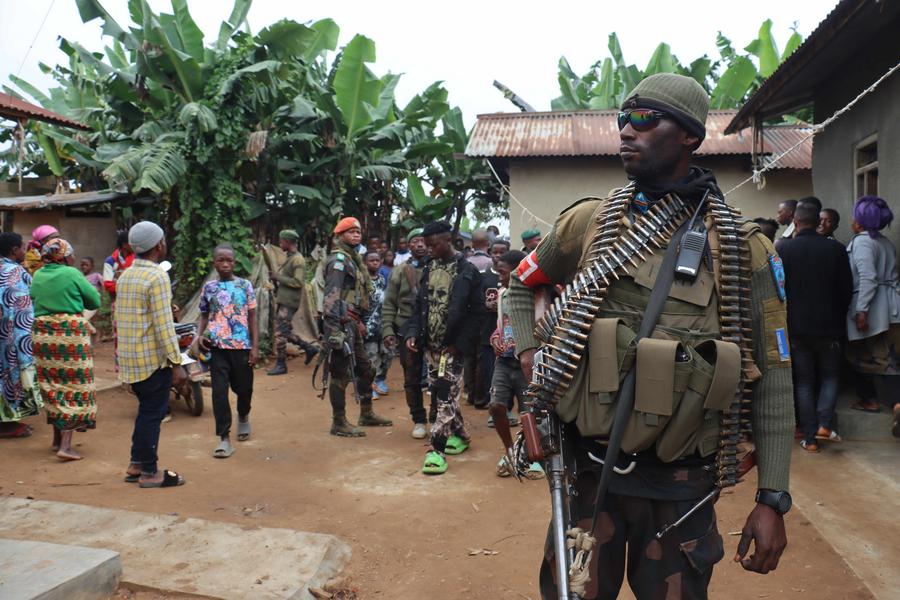
The UN and AU commended the work of the AU Mediator and Facilitators in the eastern Democratic Republic of the Congo and welcomed international and regional efforts to implement peace agreements brokered under the auspices of Qatar and the United States.
The organisations also welcomed steps by the African Union to improve coordination and harmonise the various diplomatic efforts.
The Joint Task Force stressed the need for an effective and permanent ceasefire to reduce civilian suffering, facilitate humanitarian access and create conditions for lasting peace.
It said such efforts should be pursued in line with decisions taken by the UN Security Council and the AU Peace and Security Council.
The meeting also welcomed the decision by Congolese authorities to convene a national dialogue and stressed that the process should be inclusive.
South Sudan
The Joint Task Force expressed concern over the political, security and humanitarian situation in South Sudan and called for national consensus on the country’s path towards elections.
The meeting noted progress in preparations for the planned December 2026 elections but said gaps identified by the AU Peace and Security Council still needed to be addressed urgently.
It highlighted the role of former Tanzanian President Jakaya Mrisho Kikwete, the AU High Representative for the Horn of Africa and the Red Sea, and the AU High-Level Ad Hoc Committee for South Sudan.
The organisations said the transitional government should urgently address shortcomings identified in the AU Peace and Security Council’s 26 August communiqué.
They also stressed the importance of ensuring a level playing field for participants in the elections, linking this to longer-term peace and stability in South Sudan.
The meeting expressed grave concern about the humanitarian situation and appealed to the South Sudanese government and international partners to work together to alleviate the suffering of the population.
Sudan crisis
The situation in Sudan was another major focus of the meeting, with the UN and AU expressing serious concern over the humanitarian crisis.
The Joint Task Force said there could be no viable military solution to the conflict and urged the warring parties to abandon efforts to resolve the crisis through military means.
It rejected the establishment of any parallel government and called again for an immediate cessation of hostilities.
The organisations said an inclusive Sudanese dialogue, with meaningful participation by women and young people, was the path towards a consensual and lasting solution. They also called for efforts towards establishing civilian-led governance.
The Joint Task Force condemned external interference and military or other forms of support that continue to fuel the conflict.
It reaffirmed the importance of the UN-AU partnership on Sudan, particularly through the Quintet, which the organisations described as important for collective efforts towards resolving the conflict.
UN Security Council Resolution 2719
The meeting also reviewed implementation of UN Security Council Resolution 2719, adopted on 21 December 2023.
The Joint Task Force said the resolution remained an important framework for providing predictable and sustainable financing for AU-led peace support operations on a case-by-case basis.
The organisations agreed on the need to continue engaging with relevant stakeholders to strengthen a shared understanding of the resolution and reinforce commitment to its implementation.
The UN and AU agreed that the next statutory meeting of the Joint Task Force would be hosted by the AU Commission, with the date to be agreed jointly.