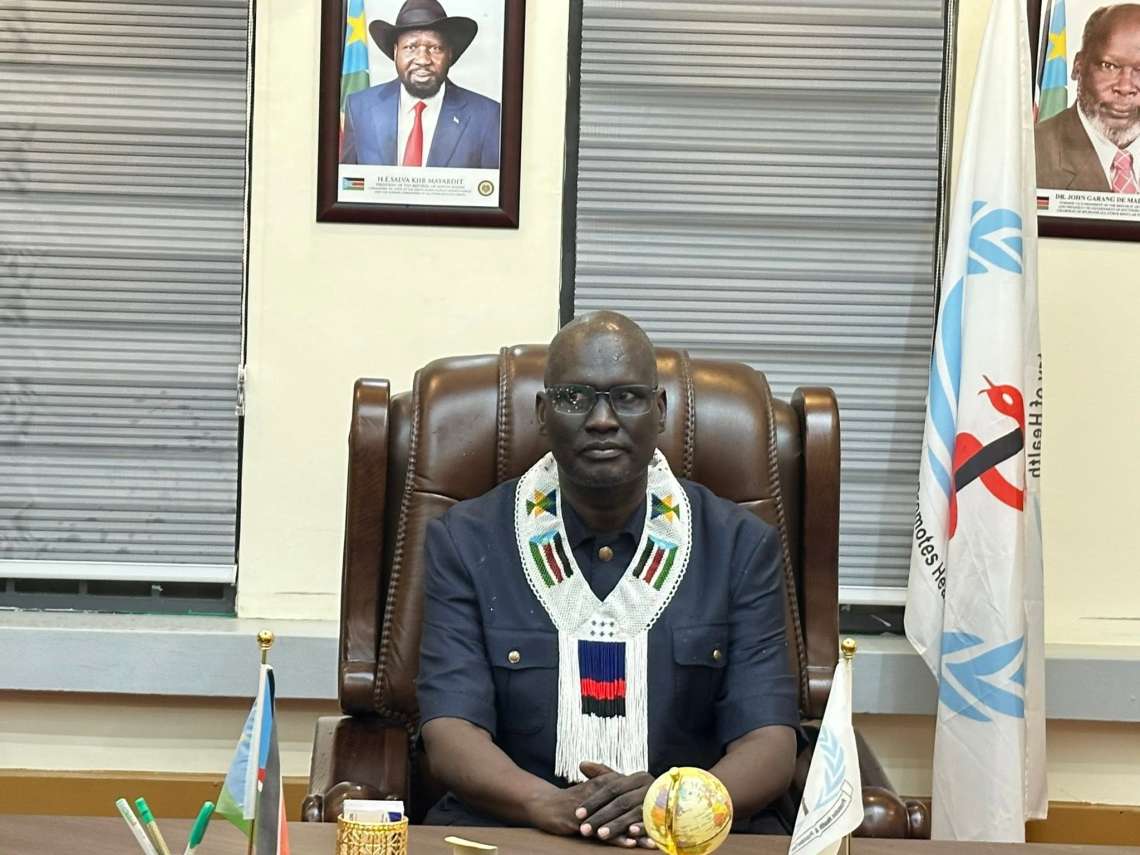

Government says Ebola-free nation is facing unnecessary visa curbs that are preventing citizens from accessing healthcare and education abroad….reports Africa Daily News Desk
South Sudan on Friday called on foreign governments to remove Ebola-related travel and visa restrictions imposed on its citizens, saying the measures are preventing people from accessing life-saving medical treatment and educational opportunities abroad despite the country remaining free of the disease.
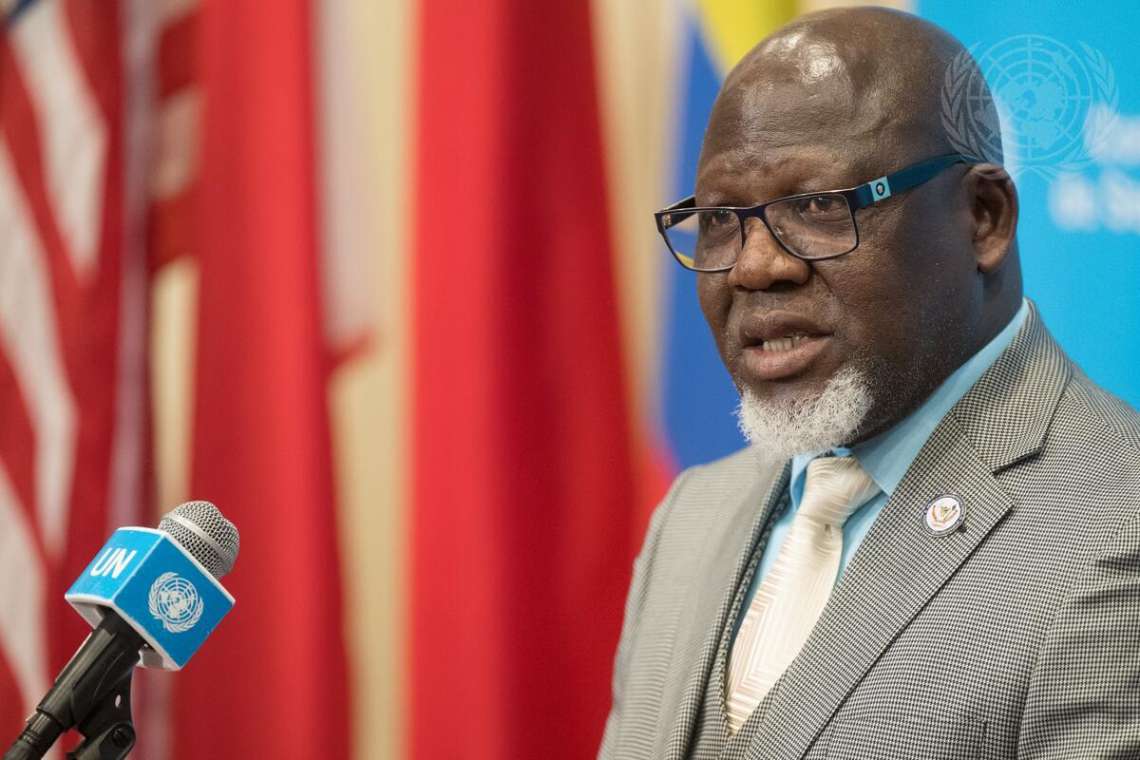
“There is no Ebola here. No one is dying here. But people are now dying because they are unable to travel abroad for medical treatment,” Francis Oromo, Undersecretary in South Sudan’s Ministry of Health, said during a joint press conference with the World Health Organization (WHO) in the capital, Juba.
Oromo said the government had activated its national emergency response plan immediately after Ebola outbreaks were reported in neighbouring countries. The measures included deploying rapid response teams to high-risk regions, strengthening disease surveillance at border points, and expanding isolation facilities to ensure preparedness.
Health authorities also stressed that all seven suspected Ebola cases detected across the country, including four in Juba, had tested negative for the virus, reaffirming that South Sudan remains Ebola-free.
Despite its disease-free status, officials acknowledged that the country continues to face a heightened risk because of cross-border movement with neighbouring nations experiencing outbreaks. To address the threat, South Sudan is working closely with neighbouring countries, regional health agencies and international partners to enhance surveillance, improve information sharing and strengthen preparedness.
WHO Representative in South Sudan Humphrey Karamagi reiterated that the country’s surveillance and response systems were functioning effectively, noting that the prompt detection and investigation of suspected cases demonstrated the strength of its public health mechanisms.
“From a scientific point of view, WHO does not recommend border closures or travel restrictions,” Karamagi said, urging countries to align their policies with international public health guidance.
Meanwhile, the Africa Centres for Disease Control and Prevention (Africa CDC) has appealed for 1.4 billion U.S. dollars to support Ebola response efforts across the region as outbreaks continue in the Democratic Republic of the Congo (DRC) and Uganda.
Addressing an online media briefing, Africa CDC Director General Jean Kaseya said a total of 1,138 confirmed cases of the Bundibugyo strain of Ebola and 293 deaths have been recorded in the DRC and Uganda, representing a fatality rate of nearly 26 per cent. Uganda has reported 20 confirmed cases and two deaths, while 136 patients across the affected countries have recovered from the disease.
Health authorities warned that continued regional cooperation, adequate funding and stronger surveillance remain critical to containing the outbreaks while preventing the virus from spreading to neighbouring countries such as South Sudan.