
New joint incident management platform will coordinate Ebola response across Uganda, DR Congo and neighbouring at-risk countries….reports Africa Daily News Desk
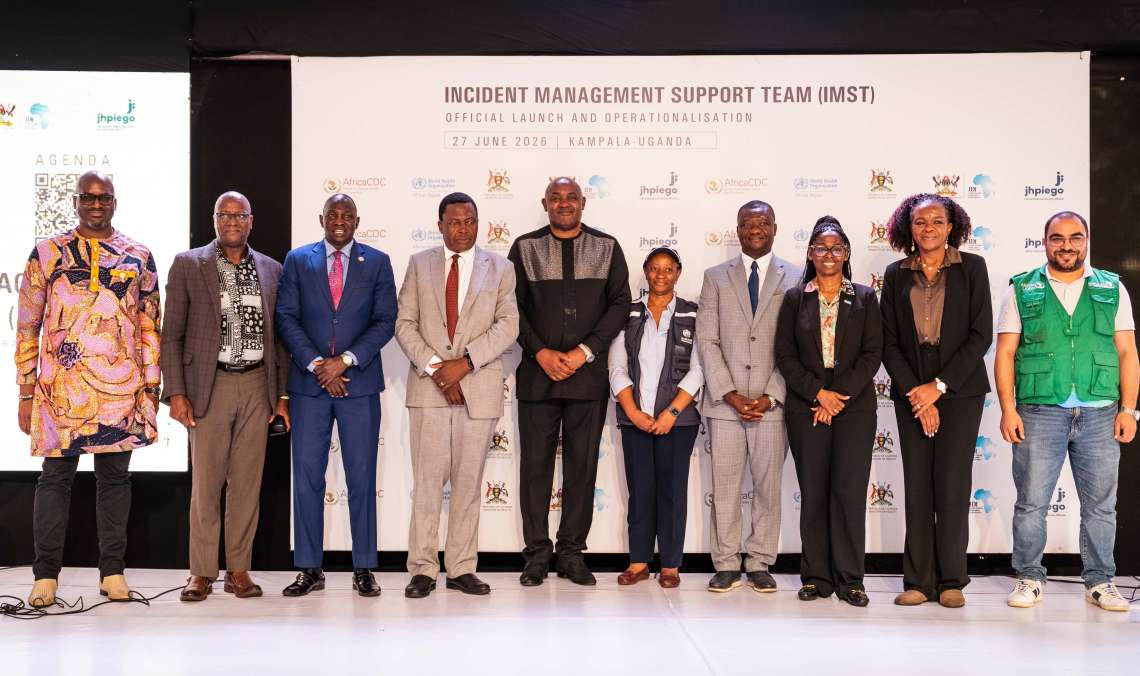
The Africa Centres for Disease Control and Prevention (Africa CDC), the World Health Organization (WHO), and the Ugandan government have launched a unified continental platform aimed at boosting Africa’s ability to respond swiftly and effectively to Ebola and other public health emergencies.
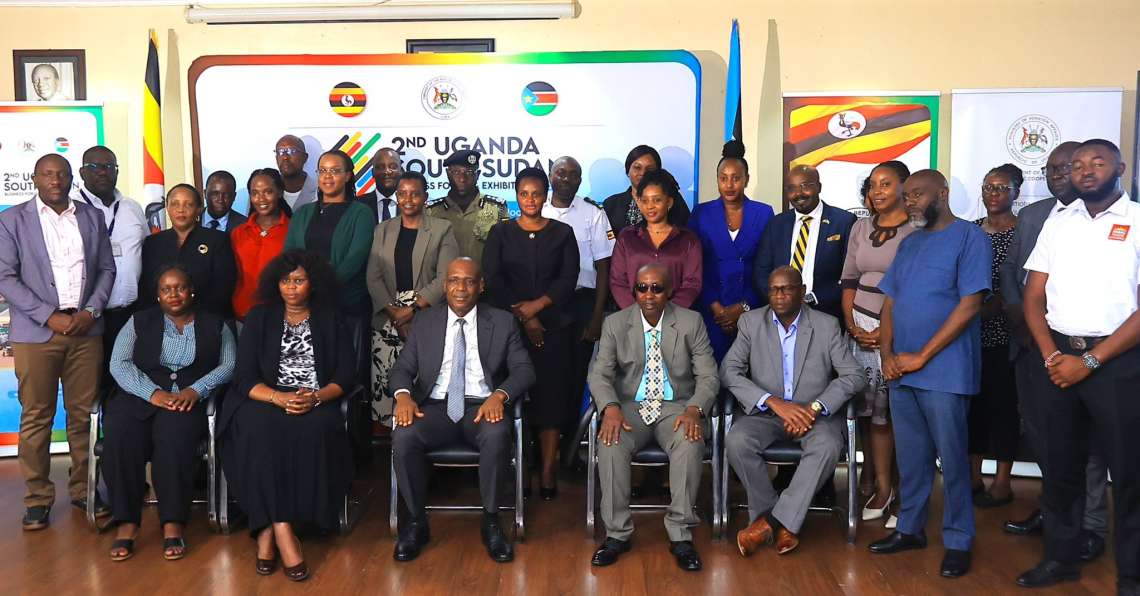
The Joint Continental Incident Management Support Team (IMST), unveiled at Makerere University in Kampala on Saturday, is designed to strengthen emergency preparedness, improve coordination and support ongoing efforts to contain the Bundibugyo strain of the Ebola virus disease currently affecting Uganda.
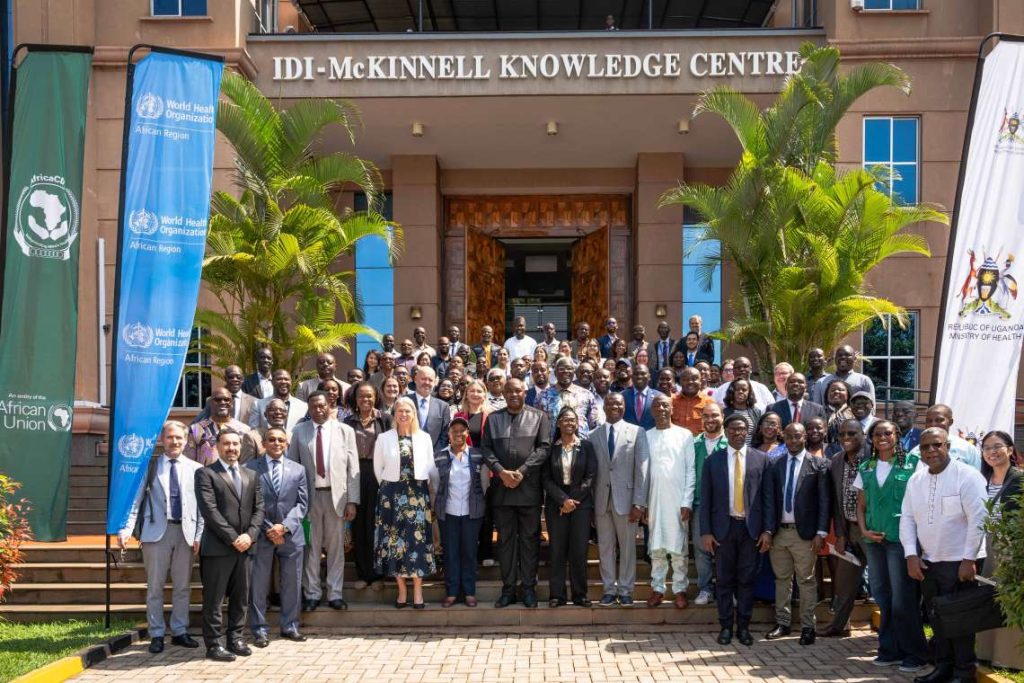
According to Africa CDC, the new platform provides a single operational framework that will enhance collaboration among health agencies while offering integrated technical support to Uganda, the Democratic Republic of the Congo (DRC), and neighbouring countries considered at high risk of cross-border transmission.
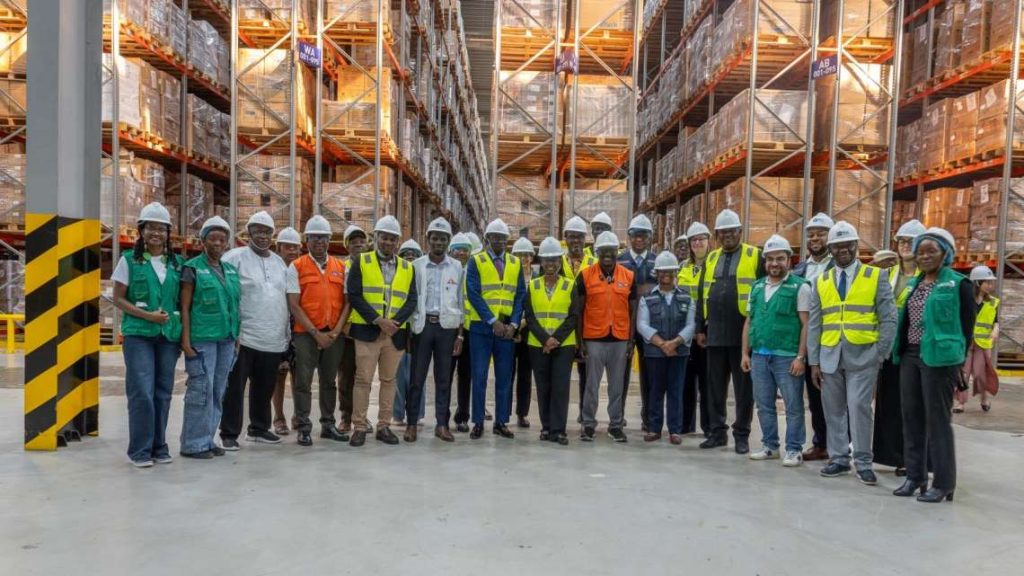
The IMST will bring together experts from multiple disciplines, including disease surveillance, laboratory systems, case management, infection prevention and control, emergency logistics, risk communication, information management and partner coordination.
Africa CDC described the initiative as a major step towards strengthening the continent’s public health emergency architecture, saying it reflects the shared commitment of Africa CDC, WHO and African Union member states to build faster, better-coordinated and country-led responses to increasingly complex disease outbreaks.
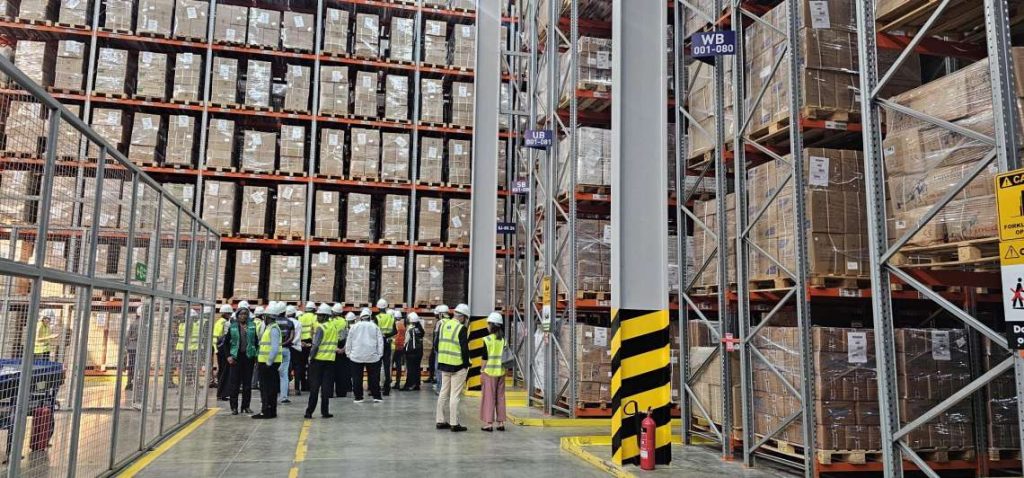
The agency said the platform operates on the guiding principles of “one team, one plan and one budget,” enabling more efficient deployment of expertise and resources during health emergencies.
It added that stronger regional preparedness and cross-border collaboration remain essential to protecting Africa’s health security, particularly as infectious disease outbreaks continue to pose significant challenges across the continent.
Ebola is a severe viral disease that affects humans and other primates and is often fatal if left untreated. The virus is transmitted from infected wild animals to humans before spreading through direct contact with the blood or bodily fluids of infected individuals or contaminated surfaces and materials.


The World Health Organization estimates that Ebola has an average fatality rate of around 50 per cent, although mortality has ranged between 25 and 90 per cent in previous outbreaks depending on the virus strain and access to treatment.
The virus was first identified in 1976 following simultaneous outbreaks in Central Africa. The largest Ebola epidemic occurred in West Africa between 2014 and 2016, when the disease spread across Guinea, Sierra Leone and Liberia, resulting in more cases and deaths than all previous outbreaks combined.