
The United Nations has warned that humanitarian needs are escalating across the Sahel, where conflict, climate shocks and displacement are affecting millions….reports Asian Lite News Desk
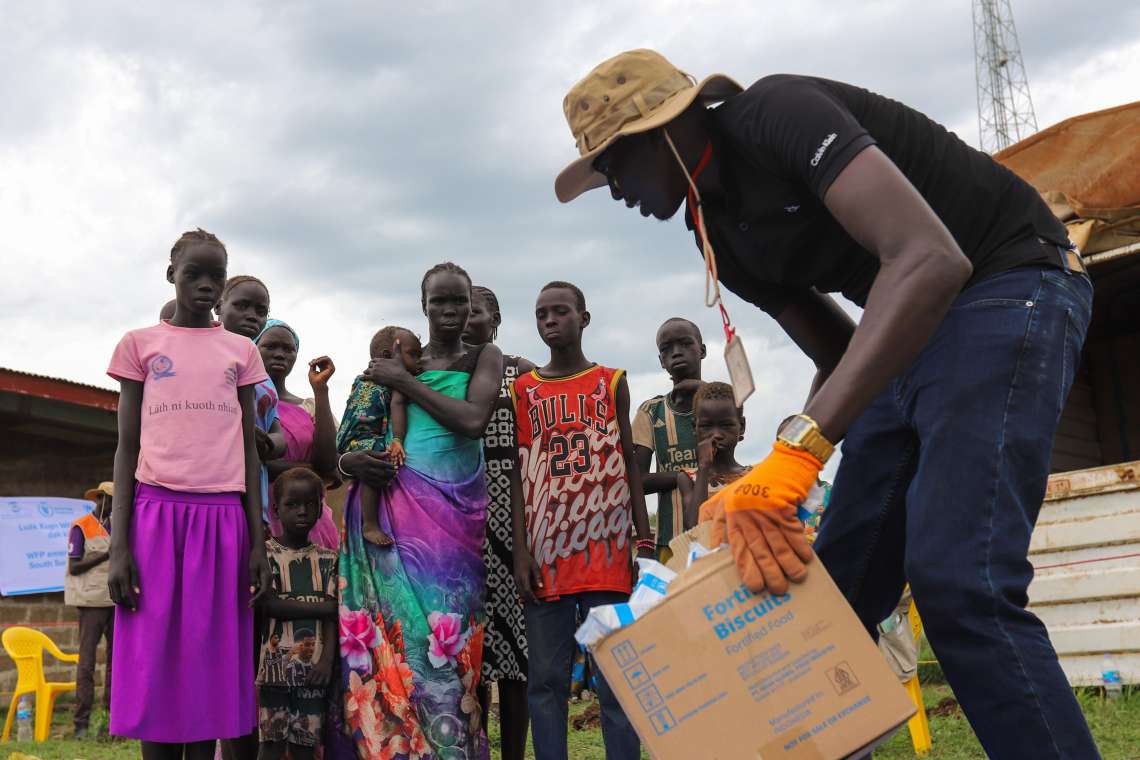
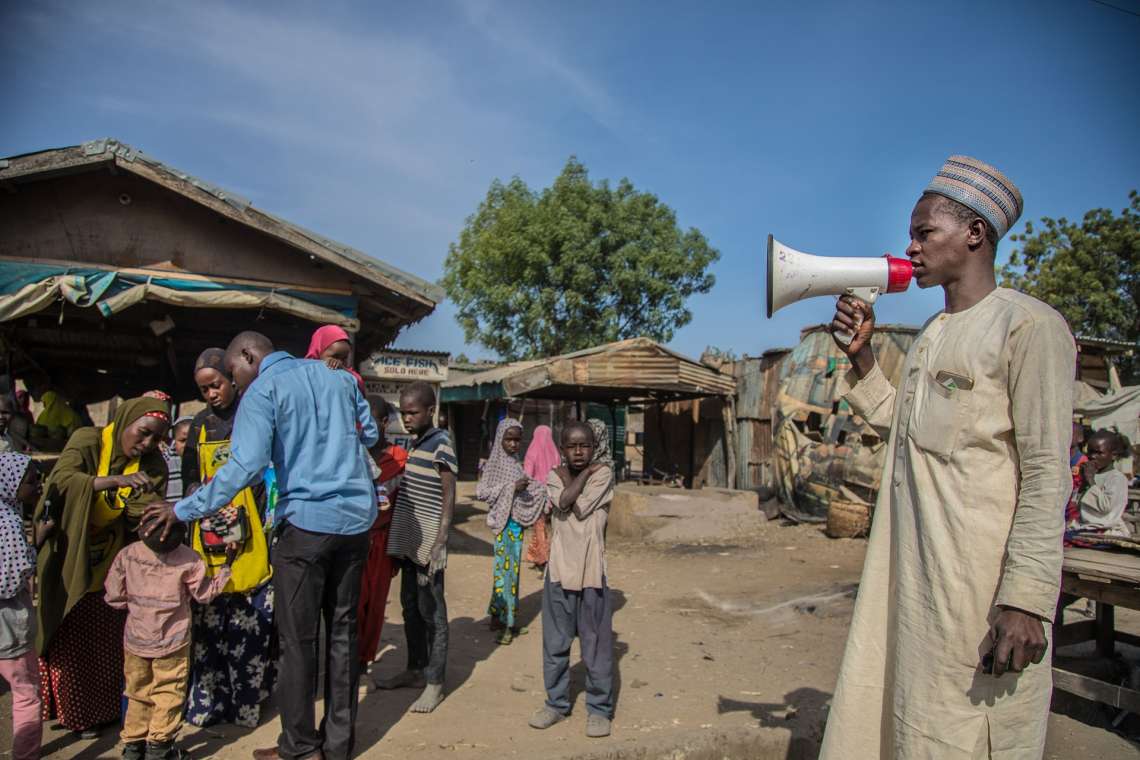
Nearly 24 million people across the Sahel region require humanitarian assistance as violence, displacement and climate-related disasters continue to deepen the crisis, the United Nations has warned.
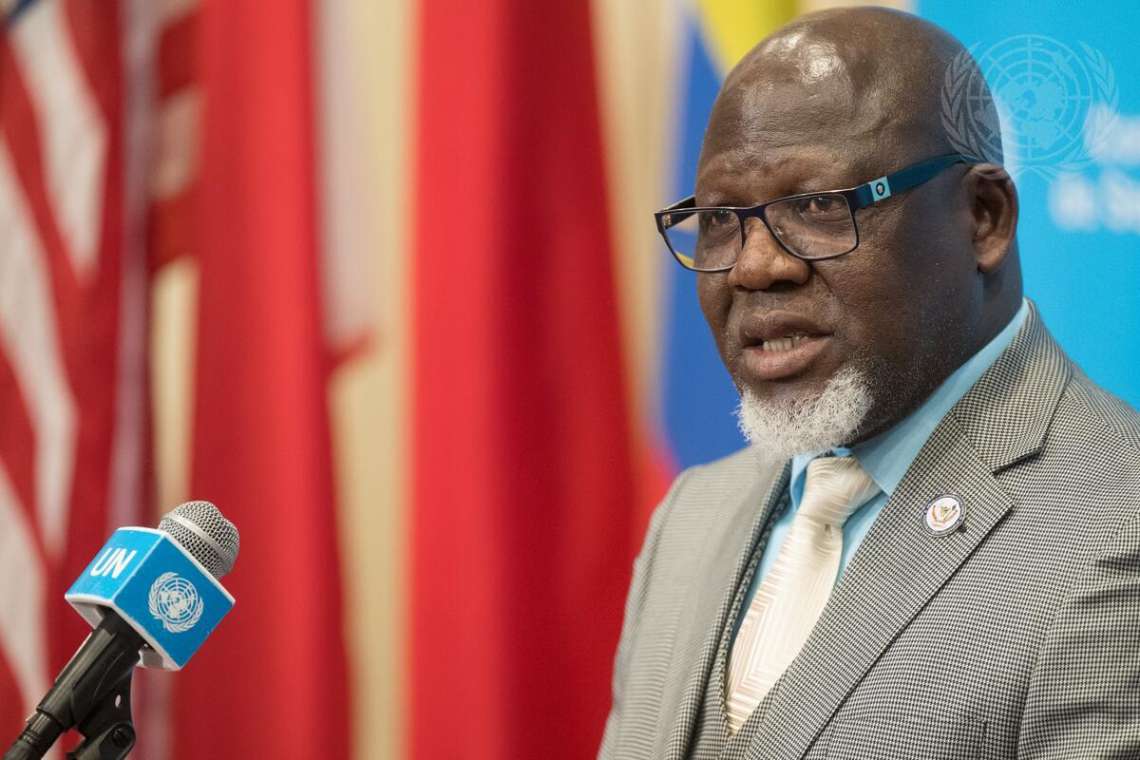
Speaking at a daily press briefing on Wednesday, UN Secretary-General spokesperson Stephane Dujarric said the latest Humanitarian Needs and Response Overview highlighted worsening conditions across Burkina Faso, Chad, Mali, Niger, northern Cameroon and northeast Nigeria.
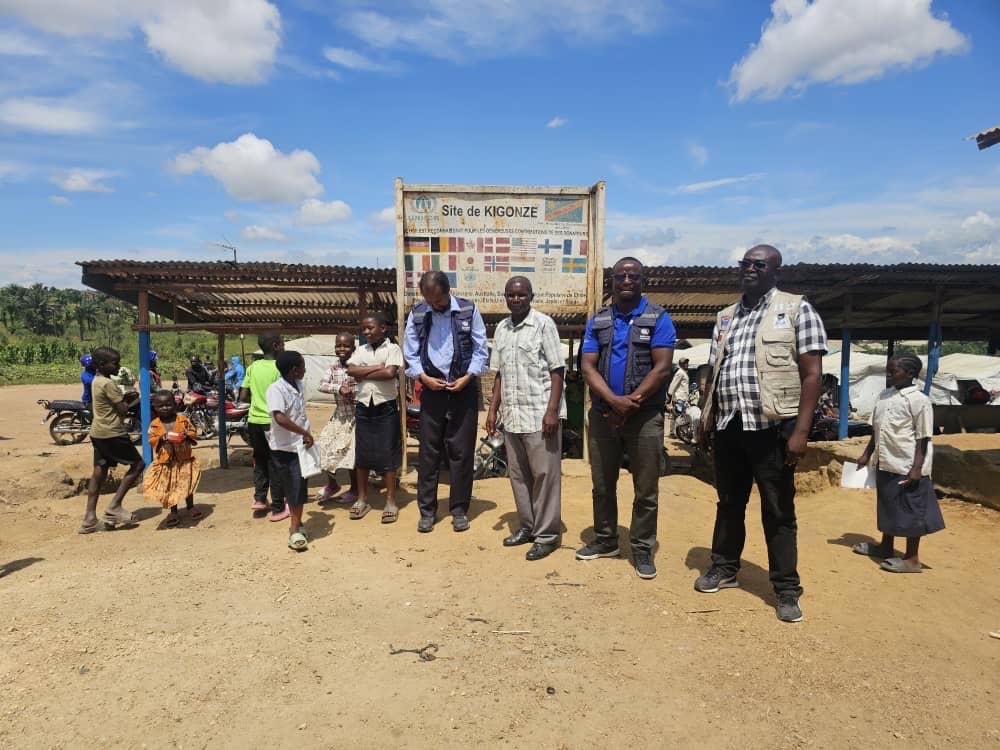
According to the UN, armed groups continue to expand their presence across the Central Sahel and the Lake Chad Basin, fuelling insecurity and forcing thousands of people from their homes.
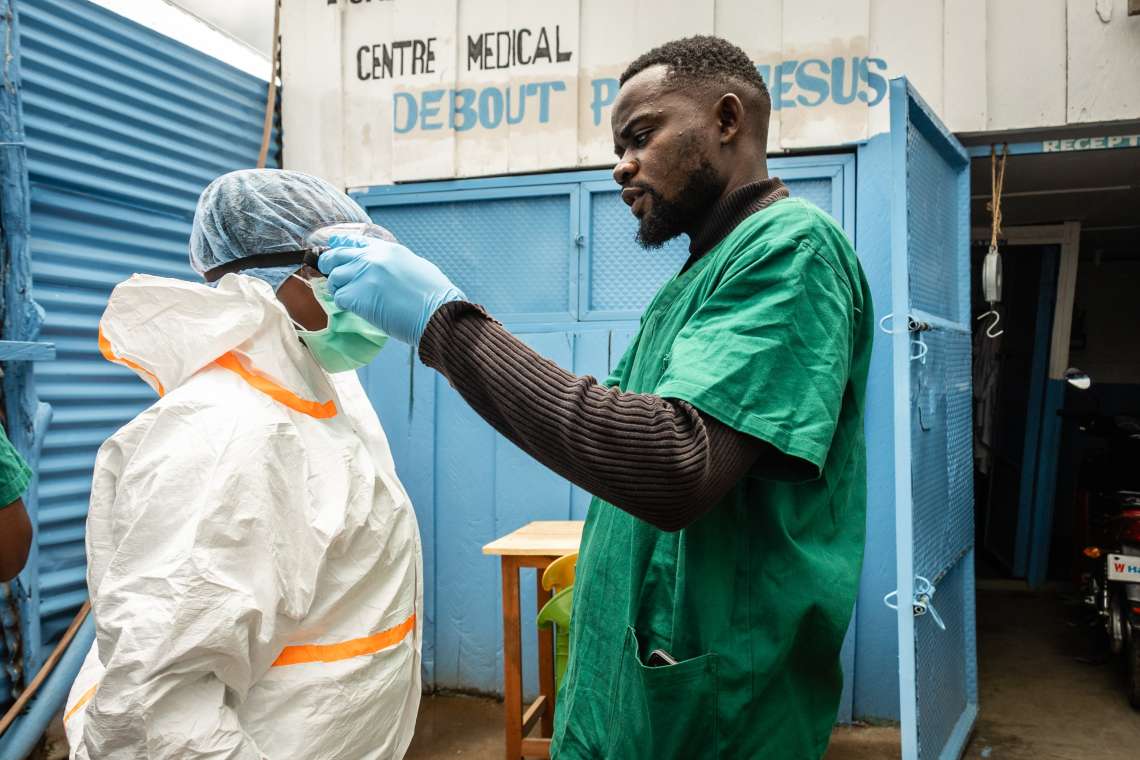
The ongoing violence has also disrupted essential services, leading to the closure of schools and health facilities across affected areas.
Dujarric said climate change was further aggravating the humanitarian situation, noting that the Sahel is warming faster than the global average.
In 2025 alone, floods affected around 590,000 people across the region, while recurring droughts and advancing desertification damaged agricultural land and threatened the livelihoods of millions.
The combination of conflict and environmental pressures has left vulnerable communities struggling to access food, healthcare and basic services.
In response, the United Nations and its humanitarian partners are expanding cash assistance programmes, strengthening anticipatory action measures and increasing support for local organisations to help communities cope with growing humanitarian needs.
Meanwhile, the UN also expressed concern over worsening food insecurity in Yemen, where millions are facing severe hunger.
Dujarric said the latest Integrated Food Security Phase Classification analysis showed that nearly five million people, representing one in every two residents across 12 government-controlled areas of Yemen, experienced high levels of acute food insecurity between March and May this year.
The assessment covered areas including Aden, Hadramawt, Marib and Taiz.
According to UN agencies, the situation is expected to deteriorate further in the coming months. Between June and September, an estimated 5.4 million people in government-controlled areas are projected to face high levels of acute food insecurity.
The Food and Agriculture Organization, the World Food Programme and the United Nations Children’s Fund have jointly appealed to the international community to increase funding for humanitarian food assistance, nutrition programmes, healthcare services, agriculture and resilience-building initiatives.
The agencies warned that without immediate and sustained action, millions of Yemenis risk falling deeper into hunger, malnutrition and irreversible loss of livelihoods.
Dujarric noted that the United Nations and its humanitarian partners launched the 2026 Yemen Humanitarian Needs and Response Plan in March, seeking 2.16 billion US dollars to provide life-saving assistance to 12 million people across the country.
The UN has repeatedly stressed that growing humanitarian crises in both the Sahel and Yemen require urgent international support to prevent further deterioration and protect vulnerable populations from the impacts of conflict, climate change and food insecurity.