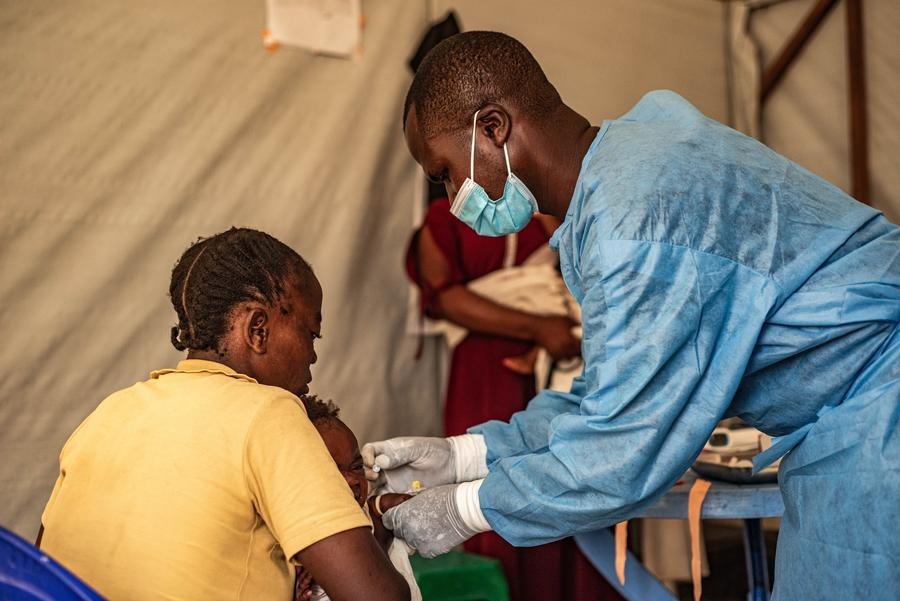

Emergency cholera medical supplies bound for vulnerable African nations have been caught in a growing logistical crisis linked to the ongoing conflict in Iran, aid agencies have warned, raising alarm ahead of the high-risk rainy season…reports Asian Lite News Desk
Stocks of critical supplies, currently stranded in warehouses in Dubai, were pre-positioned to respond quickly to outbreaks in cholera-prone countries such as Chad and Sudan. The rainy season, beginning in May, typically accelerates the spread of the fast-moving and potentially fatal disease.
Both the World Health Organization and the International Federation of Red Cross and Red Crescent Societies (IFRC) confirmed that shipments have been delayed due to severe congestion in global transport routes. Officials say they are now exploring costly alternatives, including airlifting supplies at prices up to 70 percent higher than usual or sourcing replacements locally.
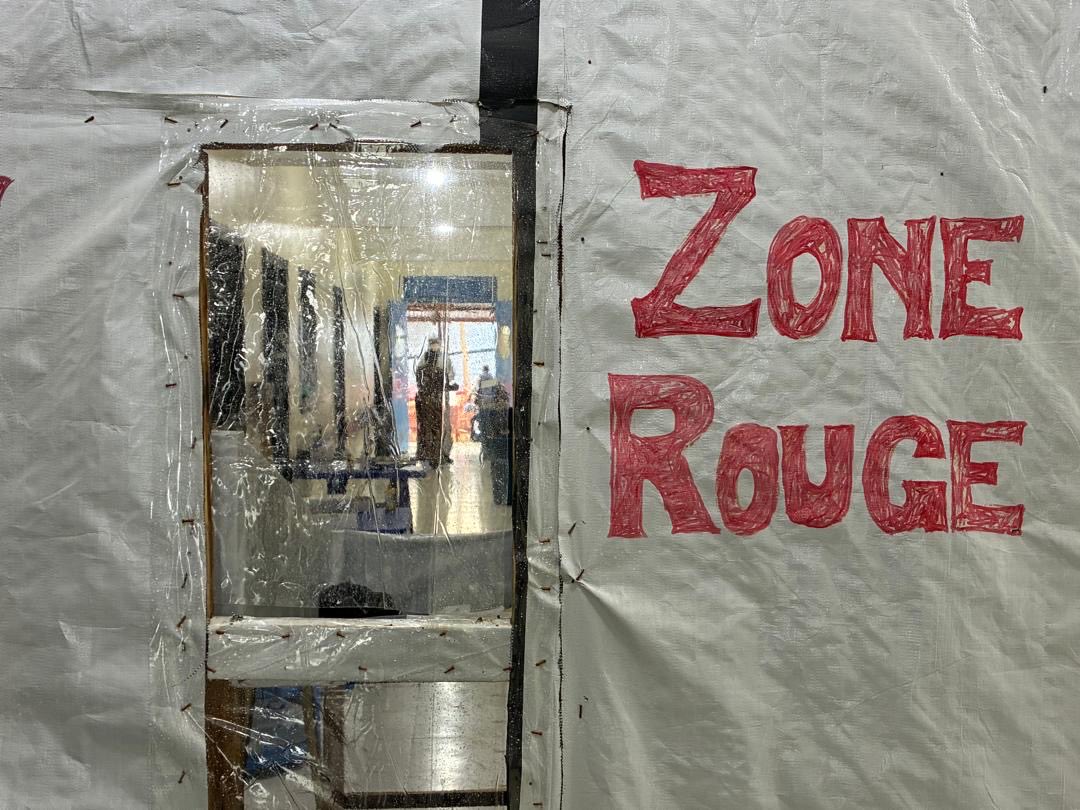
The delayed kits are essential for rapid response. Designed to function as mini field hospitals, they include rehydration treatments, sanitation materials and chlorine supplies to disinfect water and waste, helping prevent further spread. Without timely deployment, health experts warn, outbreaks could escalate rapidly.
“We don’t know if the kits will come in time, and it will be more costly and delayed,” said IFRC official Danielle Brouwer, highlighting the uncertainty facing humanitarian operations.
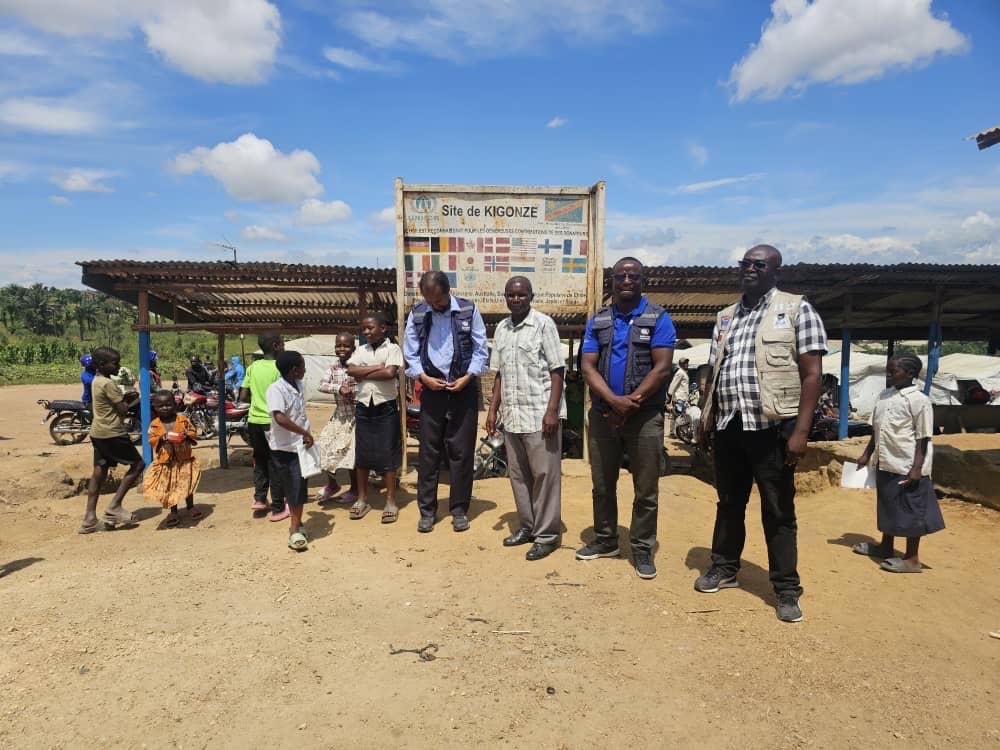
Among the affected shipments are five cholera kits intended for Chad, each capable of treating up to 3,000 people per month. These were earmarked for areas hosting refugees fleeing conflict in Sudan. Additional supplies, including specialised tents for isolating cholera patients, are also delayed en route to South Sudan.
“A disruption of the supply chain will have dramatic consequences because we are talking about an explosive disease”
The situation is particularly concerning given recent global trends. According to the WHO, 2025 saw over 600,000 cholera cases reported across 34 countries, resulting in approximately 8,000 deaths. Although early figures for 2026 suggest a decline of around 50 percent in reported cases, experts caution that the threat remains high.
“A disruption of the supply chain will have dramatic consequences because we are talking about an explosive disease,” said WHO epidemiologist Lorenzo Pezzoli. He warned that even short delays in response can lead to rapid and widespread contamination.
The crisis has been exacerbated by disruptions in key shipping routes, including the closure of the Strait of Hormuz amid escalating regional tensions. This has forced humanitarian agencies to rely on alternative air and land corridors, driving up costs and causing further delays.
For countries like Chad, which depend heavily on imported medicines, the impact is severe. Health officials in the eastern province of Ouaddai report having enough supplies to treat only around 100 patients if an outbreak occurs.
With the rainy season approaching, aid agencies stress that swift action is critical to prevent a renewed surge in cholera cases across the region.