
Motorists in Ethiopia have been forced to sleep in their cars as fuel shortages triggered by Middle East tensions disrupt daily life, with long queues forming across the capital Addis Ababa..reports Asian Lite News Desk
The shortages are linked to Iran’s effective blockade of the Strait of Hormuz, a vital shipping lane through which roughly a fifth of the world’s oil and gas supplies typically pass. The disruption has hit import-dependent economies particularly hard, and Ethiopia — which relies entirely on imported fuel — is among the most affected.
Drivers waiting at petrol stations in the Summit 72 area reported queues lasting more than 24 hours. Many said they had spent nights inside their vehicles, sacrificing income and basic comforts in the process.
“I’ve been in the queue since last night at around 7 p.m. I spent the night in my car without food,” said taxi driver Awoke Derese. He added that he had already lost two days of work, despite paying daily rental fees for his vehicle. “My family is at risk because I can’t support them,” he said.
“I spent the night in my car without food… my family is at risk because I can’t support them.”
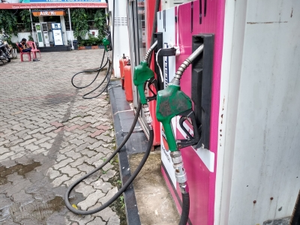
The shortages began earlier in the week, with several stations running dry and shutting operations. Workers at one petrol station said it had been closed for four days, with no clarity on when new supplies would arrive.
The crisis is rippling across small businesses as well. Bakery worker Natenahel Gedamu said his workplace had halted production after running out of fuel needed to power generators and baking equipment.
“We ran out yesterday and have not produced anything since,” he said, adding that he had been waiting in line since the previous afternoon. “I’m worried the station may run out of fuel before I reach it. This feels like my last chance.”
As a landlocked country, Ethiopia depends heavily on imports routed through neighbouring Djibouti. Limited storage capacity — with just 13 strategic fuel reserve depots operated by the Ethiopian Petroleum Supply Enterprise — has compounded the vulnerability to external shocks.
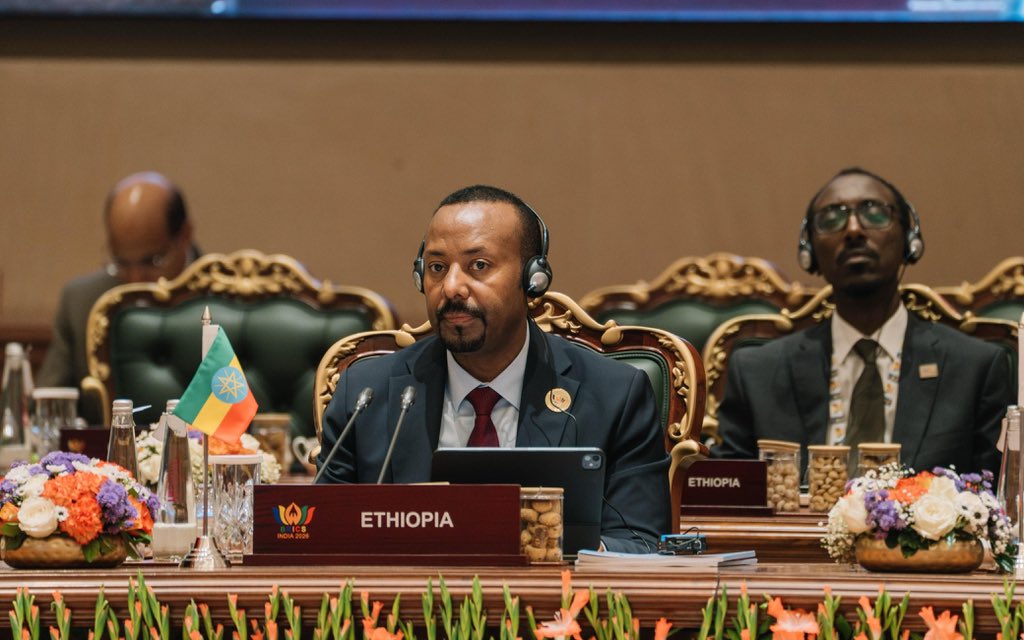
Prime Minister Abiy Ahmed has urged citizens to conserve fuel and prioritise essential use until supplies stabilise. However, the economic strain is already evident.
According to the World Bank, more than 40 percent of Ethiopians live below the poverty line. Rising fuel costs are fuelling fears of inflation, already hovering around 10 percent, which could further squeeze household budgets.
The shortages have also slowed infrastructure activity in the capital. Several construction projects, including the city’s ambitious road “corridor” redevelopment and works in the Bole district near the airport, have been temporarily halted.
With no immediate resolution in sight and global energy routes under pressure, the fuel crisis threatens to deepen economic hardship in one of Africa’s most populous nations.