
In a crowded displacement camp in southern Somalia, the sound of a crying child offers a fragile sign of hope — the weakest are too malnourished to even cry…reports Asian Lite News Desk
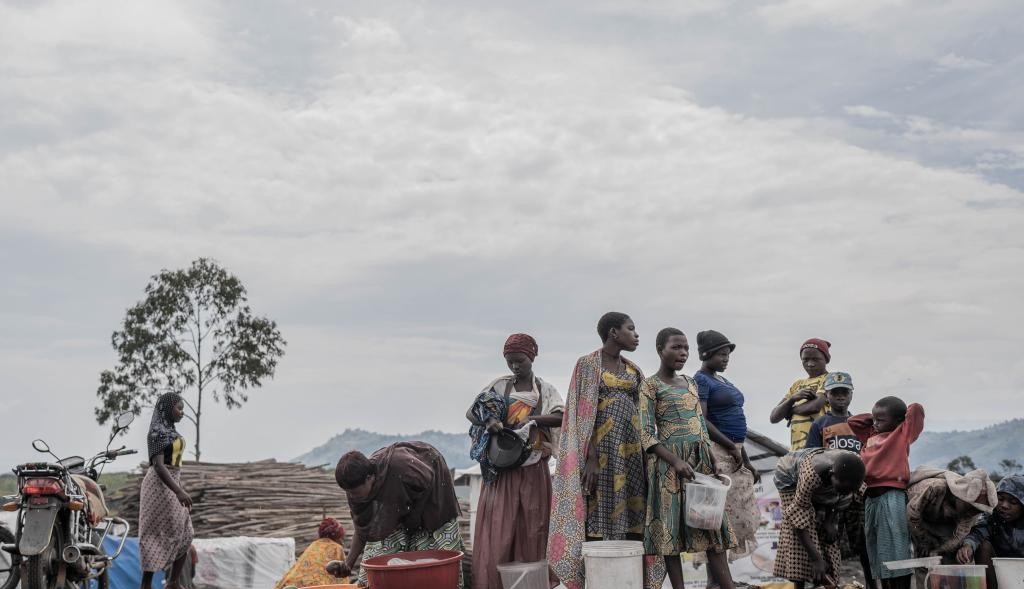
At the Ladan camp in Dollow, families displaced by prolonged drought are struggling to survive after four consecutive failed rainy seasons devastated crops and livestock. Many arrive with nothing but their children, seeking urgent aid in a region already stretched to its limits.
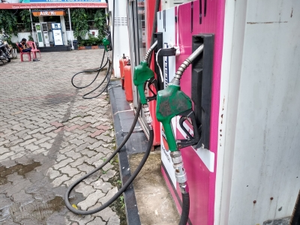
Aid workers say the distant conflict in Iran is worsening conditions on the ground. Supply chains have been disrupted, transport costs have surged, and essential humanitarian deliveries face delays.
The UNICEF has around $15.7 million worth of critical supplies — including therapeutic food, vaccines and mosquito nets — either in transit or being prepared for Somalia. However, rising logistics costs and global disruptions now threaten those deliveries.
Transport expenses could increase by up to 60 percent, with some routes seeing costs double, while delays continue to mount due to congestion and rerouting, the agency warned.
During a recent visit, UNICEF Executive Director Catherine Russell described the crisis as a “shock to the system,” noting that soaring fuel prices and supply challenges are making it harder to reach vulnerable communities.
“It means that more and more children will suffer,” she said.
The humanitarian situation is further compounded by funding cuts. More than 400 health and nutrition centres across Somalia have shut down over the past year, largely due to reduced US aid, leaving millions without access to basic services.
In Mogadishu, officials warn that nearly 6.5 million people — out of a population exceeding 20 million — are facing severe hunger as drought, conflict and aid shortfalls converge.
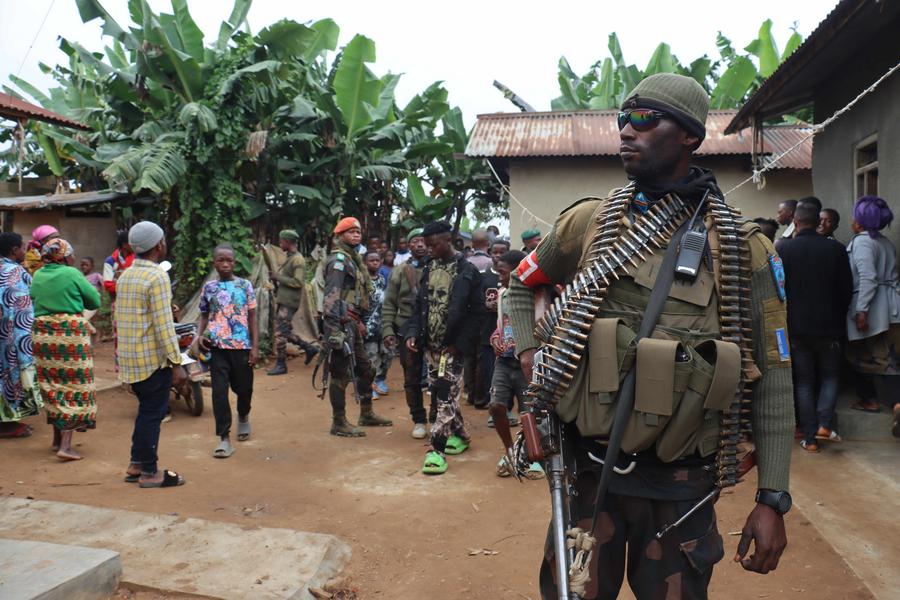
Beyond the humanitarian crisis, Somalia continues to battle the extremist Al-Shabab insurgency, complicating efforts to deliver aid and stabilise affected regions.
According to the Integrated Food Security Phase Classification, an estimated 1.84 million children under five are expected to suffer acute malnutrition in 2026.
At Ladan camp, which shelters around 4,500 households, rows of fragile huts made of plastic sheets and branches stretch across the dusty landscape. Food is scarce, and many families survive on little more than tea.
“We just want our children to survive,” said Shamso Nur Hussein, a young widow who fled her village after losing her livestock.
At Dollow’s hospital, health workers report a surge in critically malnourished children. “Now we are receiving children in extremely critical condition,” said nutrition coordinator Liban Roble, warning that supplies may run out within weeks.
“If new stock doesn’t arrive, more children will deteriorate and potentially die,” he said.