
The government announced that subsidies on butane gas will be maintained, keeping domestic cylinder prices unchanged…reports Newsdesk
Morocco has introduced a series of measures to protect its economy and citizens’ purchasing power as rising geopolitical tensions in the Middle East push up global energy prices.
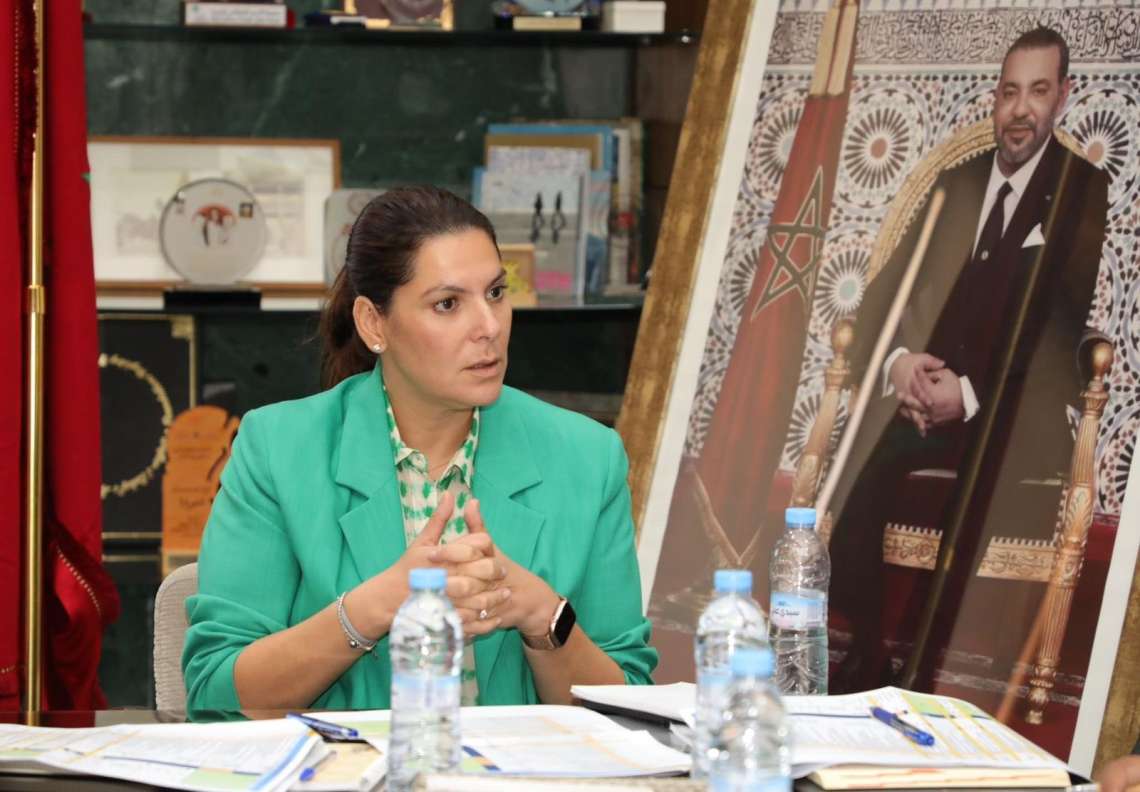
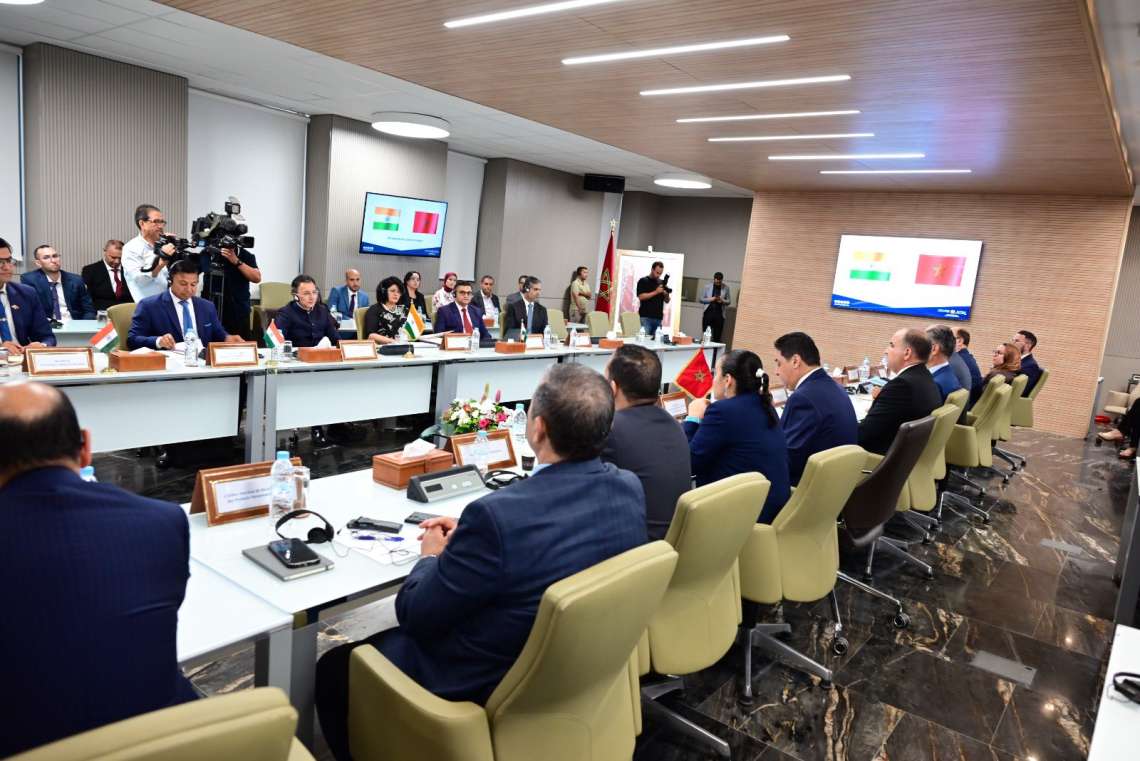
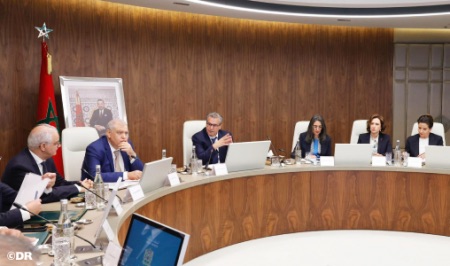
Prime Minister Aziz Akhannouch chaired the first meeting of a ministerial committee set up to monitor the economic impact of the crisis and coordinate the government’s response.
During the meeting, officials reviewed potential scenarios and outlined steps to limit the impact on households and key sectors, amid continued global uncertainty.
The government announced that subsidies on butane gas will be maintained, keeping domestic cylinder prices unchanged despite a more than 68 percent rise in international prices since early March. Electricity tariffs will also remain stable to avoid additional pressure on consumers.
To address rising fuel costs, Morocco will provide direct and exceptional financial support to the transport sector between March 15 and April 15. Authorities said more than 87,000 applications have already been submitted through a dedicated online platform.
The support will cover multiple segments, including public and rural passenger transport, freight services, school and staff transport, tourism vehicles, taxis and urban buses. The aim is to ensure uninterrupted services and prevent fare increases that could affect the cost of living.
Officials emphasised that transport operators receiving support must comply with existing fare regulations, ensuring that the assistance benefits the public.
The committee will meet regularly to track developments and take further measures if needed, reflecting a proactive approach to managing external economic pressures.
Senior ministers from finance, energy, agriculture, transport and other key sectors attended the meeting, highlighting the government’s coordinated response.
With global markets remaining volatile, Morocco is seeking to contain the impact of external shocks while maintaining economic stability and protecting consumers.