
African health experts have called on governments to increase domestic funding for research and data systems, warning that reliance on external support threatens sustainability and limits the continent’s ability to tackle major diseases effectively….reports Newsdesk
Prof. Assan Jaye of the Medical Research Council has urged African governments to prioritise funding for health research to ensure long term sustainability and maximise the continent’s growing data resources.
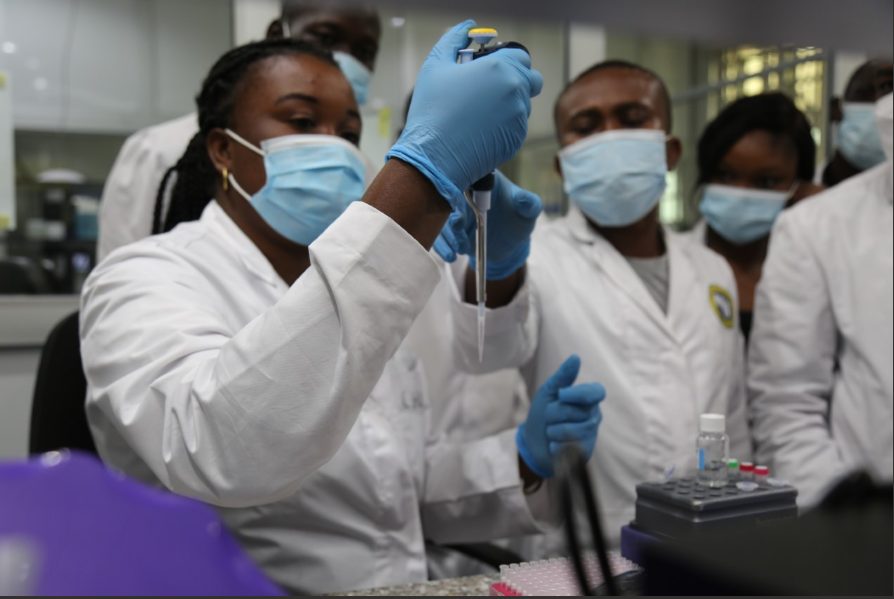
Speaking at a high level workshop in Abuja on Pan African health and clinical trials data sharing, Jaye said Africa continues to generate high quality data on diseases such as tuberculosis, malaria and HIV, but still depends heavily on foreign funding for research and infrastructure.
The workshop was organised by the Africa Centres for Disease Control and Prevention in collaboration with MRC Gambia at the London School of Hygiene and Tropical Medicine, alongside the West African Network of Excellence for Tuberculosis AIDS and Malaria.
Jaye warned that continued dependence on international funding poses risks, especially as donors increasingly expect African governments to invest more domestically. He stressed that local funding is essential to sustain research capacity and infrastructure built over time.
He said the meeting aimed to expand an existing regional data repository into a continent wide platform to boost collaboration, innovation and data sharing. The platform, initially developed to tackle drug resistant tuberculosis and malaria, has evolved into a key resource covering HIV mutations and emerging disease trends.
“Data is now central to everything we do, including emerging technologies like Artificial Intelligence, but Africa must own and control its data to fully benefit,” Jaye said.
The platform is expected to support deeper research analysis, improve collaboration and help translate findings into better healthcare delivery. It will also integrate advanced tools such as AI driven tuberculosis diagnosis using X ray imaging and language models for clinical data interpretation.
Also speaking, Prof. Toyin Togun highlighted Nigeria as a critical hub for regional health interventions due to its population size and disease burden. He said Nigeria’s leadership in tackling infectious diseases makes it central to any continent wide initiative.
However, he flagged challenges including poor data quality, weak infrastructure and lack of standardisation, stressing the need for investment in secure systems and skilled personnel.
Participants are working towards an “Abuja Declaration” to strengthen collaboration and data sharing among institutions across more than a dozen West African countries.
Prof. Dorothy Yeboah Manu of the Noguchi Memorial Institute for Medical Research underscored the importance of harmonised data governance and stronger awareness among policymakers.
Drawing lessons from the COVID 19 pandemic and Ebola outbreaks, she said rapid data sharing was key to developing vaccines, diagnostics and response strategies, noting that fragmented data continues to limit Africa’s research potential.
She also called for greater investment in women in science, particularly in data collection and clinical trials.
Michelle Nderu of the European and Developing Countries Clinical Trials Partnership described the initiative as timely, saying a unified and trusted data platform would strengthen research capacity and support evidence based health policies.
The workshop brought together researchers, policymakers and development partners to map out a roadmap for a unified African health data system focused on governance, accessibility and sustainability, with participants expressing optimism that stronger collaboration and domestic investment will unlock the continent’s full health research potential.