
Guinea plans to end the export of raw gold and process more of its mineral wealth domestically as part of a broader industrialisation strategy….reports Africa News Desk
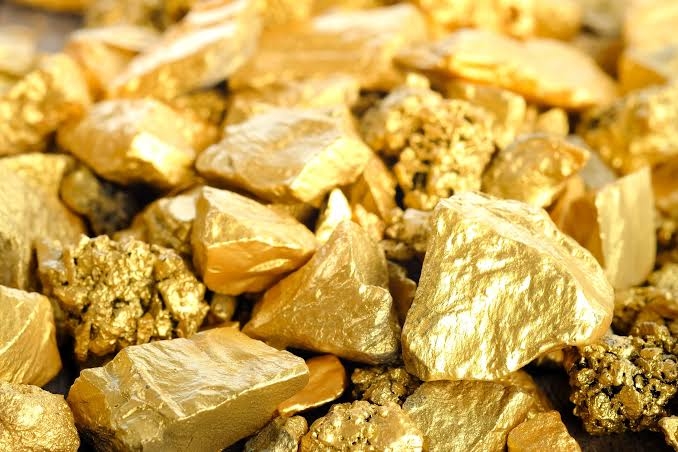
Guinea has announced plans to end the export of raw gold and accelerate domestic refining as part of a broader strategy aimed at strengthening economic sovereignty, boosting industrialisation and increasing the value derived from the country’s mineral wealth.
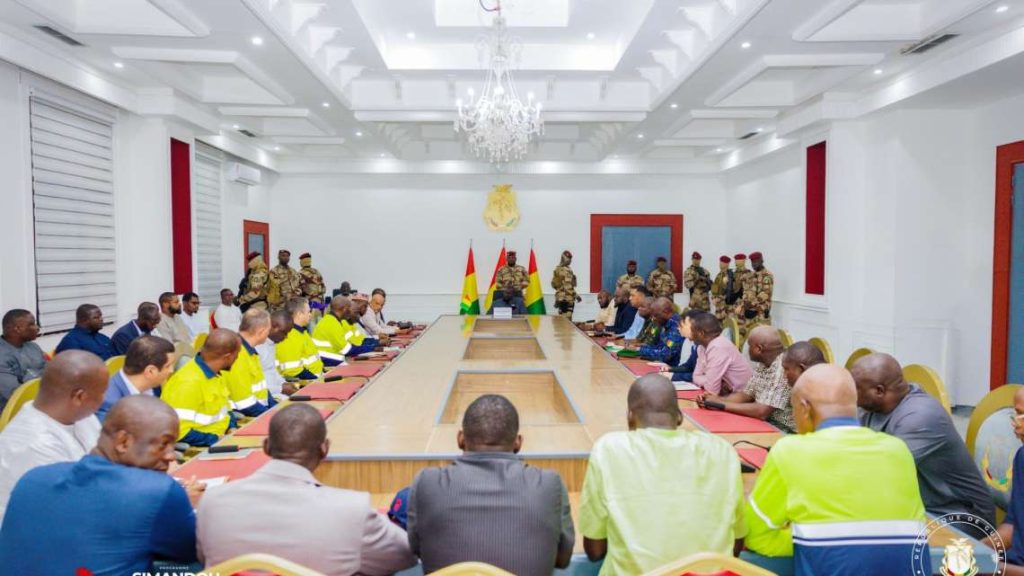
President Mamadi Doumbouya outlined the policy during a high level meeting with representatives of the industrial, semi industrial and artisanal gold sectors, as well as operators of gold purchasing centres, held in Conakry on June 19.
The move follows a series of reforms launched by the government in the mining sector and reflects the administration’s efforts to ensure that Guinea’s natural resources generate greater economic benefits within the country.
Addressing industry stakeholders, Doumbouya said Guinea would no longer rely on the traditional model of exporting raw minerals for processing abroad. Instead, gold extracted from the country’s mines will increasingly be refined domestically, creating jobs, building industrial capacity and increasing government revenues.
The President said the policy forms part of a wider vision to transform Guinea into an emerging industrial economy through local processing and value addition.
The initiative builds on reforms announced in 2022, when the government urged mining companies to fulfil commitments to establish processing facilities in Guinea. Authorities argue that local transformation of mineral resources is essential to creating employment opportunities, developing technical expertise and strengthening the country’s economic resilience.
As part of the strategy, Guinea highlighted progress in domestic mineral processing projects. For the first time since independence, three alumina refineries are currently under construction in the country, reflecting the government’s push to move further up the mining value chain.
A key pillar of the new gold policy is the development of the Nimba Gold Refinery in Gbessia, which officials describe as a landmark project for the country’s mining industry.
According to government figures, the refinery has an initial processing capacity of 2,000 kilograms of gold per day, which can be expanded to 4,000 kilograms under continuous operations. The facility is expected to process up to 520 tonnes of gold per month.
Authorities said the refinery is equipped with advanced technologies, including automated production systems, digital traceability mechanisms and real time quality control measures. The facility will also be capable of recovering secondary precious metals such as silver and processing high value industrial and electronic waste.
Government officials believe the project will play a major role in strengthening Guinea’s mining and financial sovereignty by increasing local value addition, improving tax collection, expanding strategic reserves and attracting foreign investment.
The refinery is also expected to generate thousands of direct and indirect jobs while helping develop local skills in mineral processing and industrial operations.
The policy aligns with the government’s long term Simandou 2040 development programme, which aims to leverage Guinea’s abundant natural resources to drive industrial growth and economic transformation.
Through the latest reforms, the government says it is seeking to build a more competitive and diversified economy, ensuring that the country’s mineral wealth contributes more directly to national development.
Officials described the shift as a significant step in Guinea’s industrialisation drive, signalling a move away from the export of raw commodities towards domestic processing and value creation.