
IMF exposure climbs after fresh disbursements under Ghana’s Extended Credit Facility programme….reports Asian Lite News
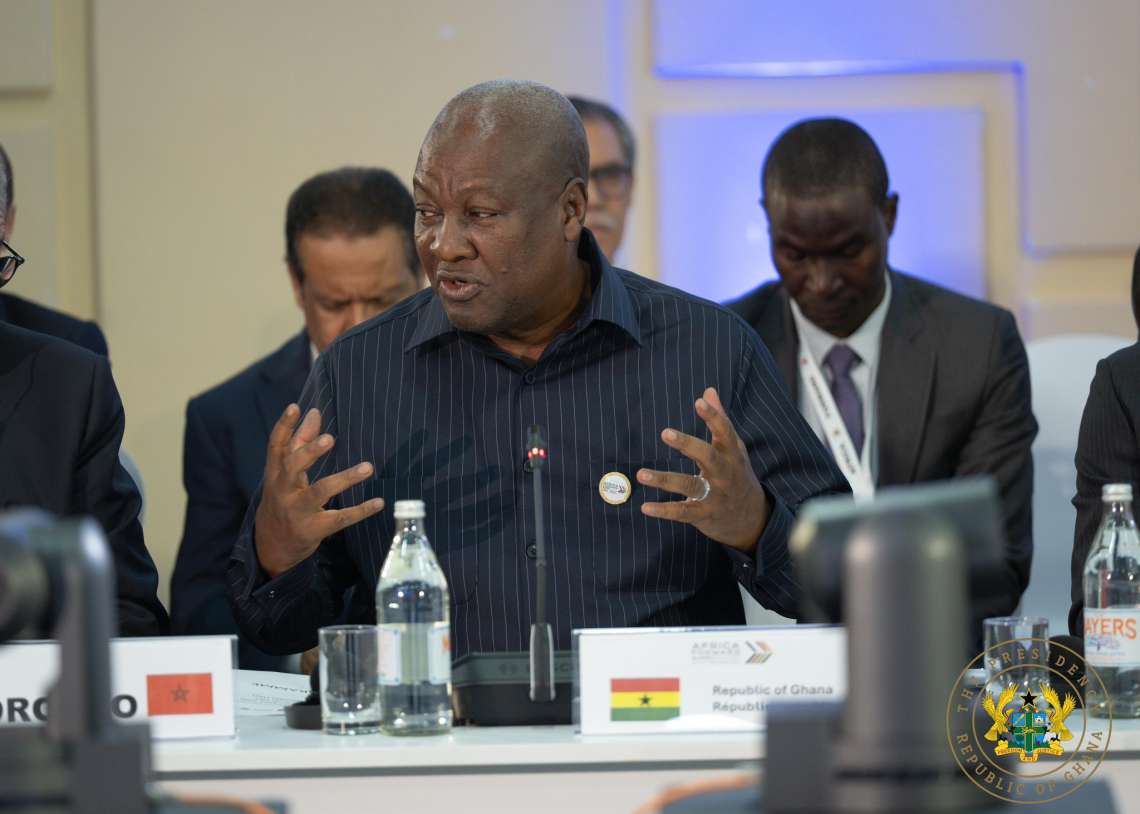
Ghana has retained its position as Africa’s fourth-largest debtor to the International Monetary Fund (IMF), with its obligations to the global lender rising to 2.72 billion Special Drawing Rights (SDR), equivalent to around $3.74 billion at current IMF exchange rates.
The latest figure marks a significant increase from the 1.96 billion SDR recorded in January 2026, reflecting additional disbursements received by Ghana under its ongoing Extended Credit Facility (ECF) programme with the IMF.
Among African countries, Egypt remains the IMF’s largest borrower with obligations amounting to 7.24 billion SDR. Côte d’Ivoire ranks second with 3.60 billion SDR, while Kenya, Angola and the Democratic Republic of the Congo also feature among the continent’s biggest debtors to the Washington-based institution.
The IMF announced on May 15 that it had completed its 2026 Article IV consultation with Ghana and reached a staff-level agreement on the sixth review of the country’s Extended Credit Facility arrangement.
The Fund also confirmed discussions on a new 36-month Policy Coordination Instrument aimed at supporting Ghana’s economic reform agenda.
According to the IMF, Ghana’s debt outlook has shown signs of improvement, creating “fiscal space to advance development objectives while preserving hard-won stabilisation gains”.
However, the Fund cautioned that sustaining progress would depend heavily on the government’s ability to implement strong public financial management measures and structural reforms.
The IMF also warned about risks linked to contingent liabilities and stressed the need for continued fiscal discipline.
Despite the rise in IMF obligations, Ghana’s broader public debt indicators have improved over the past year.
Government data showed that Ghana’s total public debt stock declined to GH¢641 billion by the end of 2025, compared to GH¢726.7 billion a year earlier.
The country’s debt-to-GDP ratio also dropped sharply to 45.3 per cent from 61.8 per cent in 2024, reflecting ongoing debt restructuring efforts and fiscal consolidation measures.
The developments come as Ghana continues efforts to stabilise its economy following a prolonged debt crisis, high inflation and pressure on its currency that prompted the country to seek IMF support in recent years.
Economic analysts say the IMF programme remains central to restoring investor confidence and maintaining macroeconomic stability, although concerns remain over the long term sustainability of Ghana’s external debt burden.
The figures and IMF assessment were reported by Business Insider Africa.