
The European Union has approved a new package of sanctions targeting Sudan’s war economy, including a ban on Sudanese gold imports and restrictions on chemicals used in gold mining…reports Africa Daily News Desk
The European Union has adopted a fresh package of restrictive measures against Sudan, introducing new sectoral sanctions targeting the country’s war economy in an effort to curb financing for the ongoing conflict and increase pressure on those fuelling the violence.
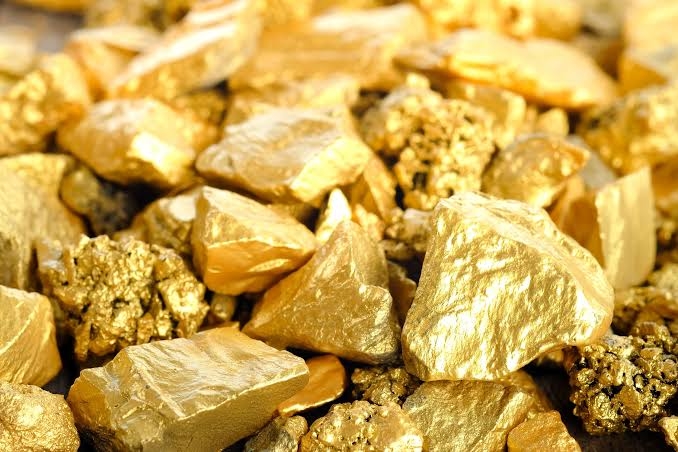
The new measures include a ban on the purchase, import or transfer of gold originating in Sudan, alongside restrictions on the sale, supply, transfer or export of mercury and cyanide to the country. The two chemicals are widely used in gold mining and gold extraction.
The Council said the sanctions are also accompanied by prohibitions on the provision of related services, including technical assistance, brokering services and financial assistance linked to the trade in the restricted goods.
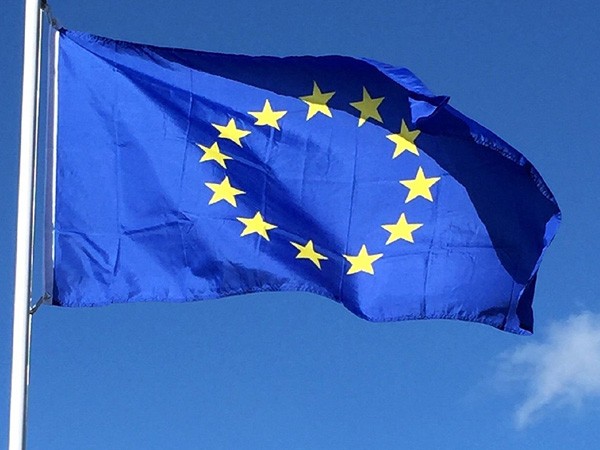
According to the Council, gold has emerged as a major source of revenue sustaining the conflict in Sudan. By restricting trade in Sudanese gold and limiting access to chemicals used in gold mining, the EU aims to reduce the financial resources available to parties responsible for perpetuating the conflict.
The measures include targeted exemptions to ensure humanitarian activities are not affected. Restrictions on mercury and cyanide will not apply to goods intended for humanitarian purposes, public health emergencies or disaster response.
The latest sanctions form part of the EU’s broader response to the conflict in Sudan, which it says has triggered an unprecedented humanitarian crisis and widespread violations of international humanitarian law and international human rights law.
The conflict erupted on 15 April 2023 and has had severe consequences for civilians, while also undermining the country’s stability and security across the wider region.
The EU first established a framework for restrictive measures against Sudan on 9 October 2023 to address activities undermining the country’s stability and political transition. The sanctions regime has since been updated regularly, with the latest listings adopted in January 2026.
The bloc has repeatedly condemned the fighting between the Sudanese Armed Forces (SAF) and the Rapid Support Forces (RSF), urging all parties to pursue a peaceful resolution.
In October 2025, the Council adopted conclusions calling on the warring sides to engage constructively in ceasefire negotiations, facilitate rapid and unhindered humanitarian access, establish an inclusive and independent civilian government, and restore the rule of law, accountability and respect for international law.
Following the third International Conference on Sudan, co-hosted in Berlin on 15 April 2026 to mark the third anniversary of the conflict, the EU’s High Representative reiterated the bloc’s call for an immediate and lasting ceasefire. In a statement issued on 21 April 2026, the High Representative stressed that external actors must stop fuelling the conflict and said the EU would use all available tools, including diplomacy and restrictive measures, to press for peace.
The Council said the latest measures further strengthen the EU’s sanctions regime by directly targeting elements of Sudan’s war economy that continue to sustain the conflict.