
The Democratic Republic of the Congo has launched fresh legal action at the UN’s top court, accusing Rwanda of decades of atrocities and seeking reparations for victims, reports Africa Daily News Desk
The International Court of Justice has confirmed that the Democratic Republic of the Congo has filed a case against Rwanda, accusing its neighbour of committing decades of serious human rights abuses and acts amounting to genocide in eastern Congo.
The application, submitted to the United Nations’ highest judicial body in The Hague, alleges that Rwanda bears responsibility for a sustained campaign of violence stretching from 1996 to the present day. Kinshasa claims the alleged abuses include massacres, extrajudicial killings, torture, sexual violence, forced displacement and discrimination against civilians across eastern Congo.
According to the filing, the alleged violations initially targeted Hutu refugees who fled into what was then Zaire after the Rwandan genocide in 1994. The Democratic Republic of the Congo also alleges that other Congolese communities, including the Nyindu, Bembe, Lega, Nande, Hunde and Bashi ethnic groups, have been subjected to systematic violence over the past three decades.
In a statement confirming receipt of the application, the International Court of Justice said the dispute concerns “abuses attributable to Rwanda over a period extending from 1996 to the present day”. The court has not yet ruled on whether it has jurisdiction to hear the case or on the merits of the allegations.
The Congolese government argues that civilians in eastern DRC have endured suffering of “exceptional magnitude”, claiming millions have been affected by repeated cycles of conflict that have devastated the mineral-rich region since the aftermath of the Rwandan genocide.
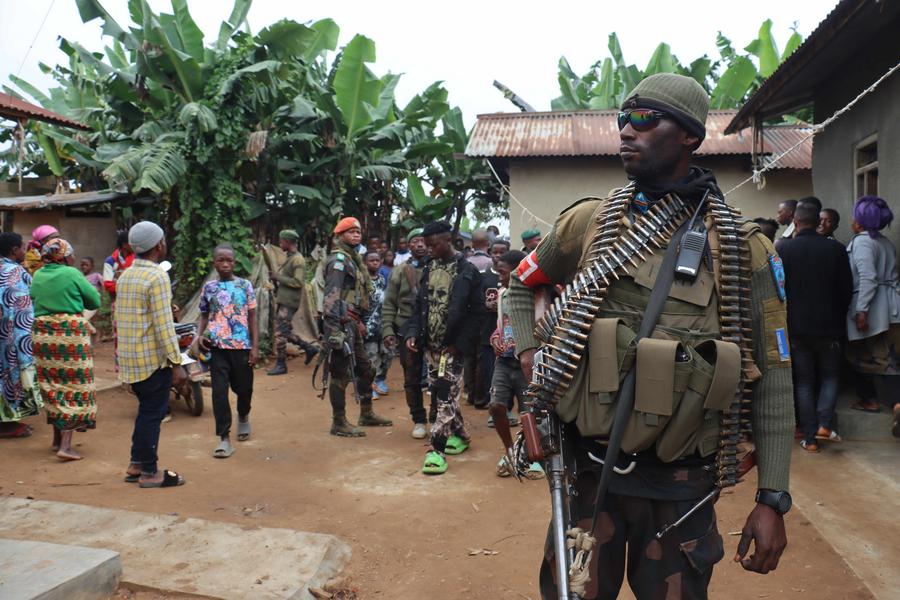
Kinshasa alleges that members of the Rwandan Defence Force, together with armed groups it says are backed by Kigali, carried out unlawful military operations throughout eastern Congo. The application specifically names the March 23 Movement, the Alliance Fleuve Congo, and the **Alliance of Democratic Forces for the Liberation of Congo-Zaire>, accusing them of attacking refugee camps, villages and urban centres during the First and Second Congo Wars and in the years since.
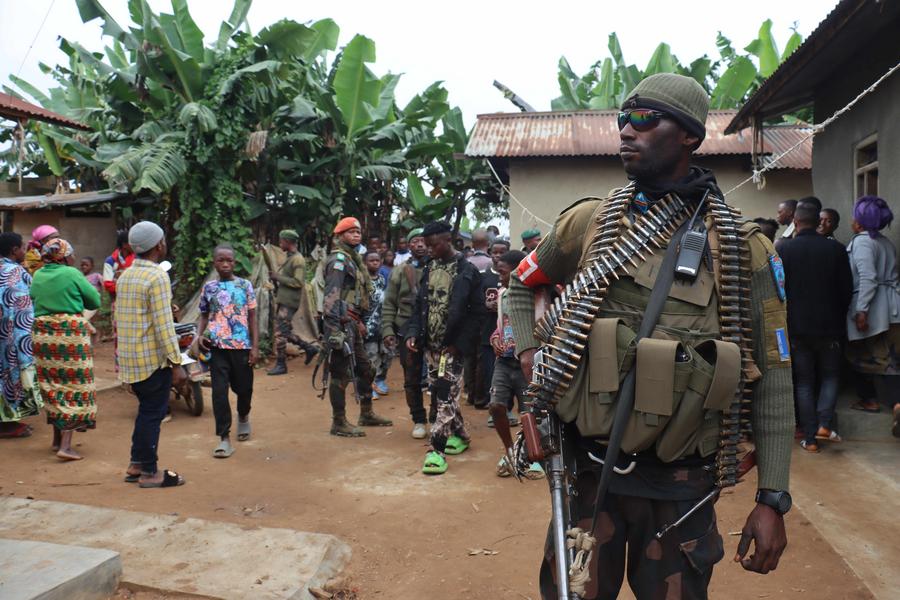
The legal action comes after renewed fighting in eastern DRC sharply escalated in 2025. M23 rebels seized the strategic cities of Goma and Bukavu, forcing hundreds of thousands of civilians to flee and intensifying one of Africa’s longest-running humanitarian crises.
The violence has continued despite a series of diplomatic efforts aimed at ending the conflict. A peace agreement brokered by the United States in June 2025, followed by a ceasefire declaration mediated by Qatar, has so far failed to halt clashes in eastern Congo.
Rwanda has consistently rejected accusations that it supports M23 or other armed groups operating inside the Democratic Republic of the Congo. Kigali maintains that its security concerns stem from the presence of the Democratic Forces for the Liberation of Rwanda, a Hutu militia formed by remnants of forces linked to the 1994 genocide. Rwandan authorities have repeatedly accused Kinshasa of allowing the group to operate from Congolese territory, allegations the DRC denies.
United Nations investigators and several Western governments have previously concluded there is substantial evidence that Rwanda has provided military support to M23, although Kigali continues to reject those findings.
In its application, the Democratic Republic of the Congo asks the International Court of Justice to declare that Rwanda has breached multiple international treaties, including the Convention on the Prevention and Punishment of the Crime of Genocide, the International Convention on the Elimination of All Forms of Racial Discrimination, the Convention on the Elimination of All Forms of Discrimination against Women, and the **Convention against Torture and Other Cruel, Inhuman or Degrading Treatment or Punishment>.
Kinshasa is seeking an order requiring Rwanda to cease all alleged violations of international law and to provide full reparations both to the Congolese state and to victims of the alleged abuses.
The case marks the third attempt by the Democratic Republic of the Congo to bring Rwanda before the International Court of Justice. A previous case filed in 2006 was dismissed after the court ruled that it lacked jurisdiction to hear the dispute.
There was no immediate official response from Rwanda following the latest filing. The International Court of Justice will first determine whether it has jurisdiction before any hearings on the substance of the allegations can proceed. As with all proceedings before the court, the filing represents allegations by the applicant state and does not constitute findings of fact or legal responsibility.