
The European Union has tightened visa rules for Somali nationals, saying cooperation on migrant returns is inadequate, while Mogadishu insists genuine citizens will always be accepted, reports Africa Daily News Desk
The Council of the European Union has approved temporary visa restrictions on Somali nationals after concluding that Somalia is not cooperating sufficiently in accepting the return of its citizens who are staying irregularly in European Union member states.
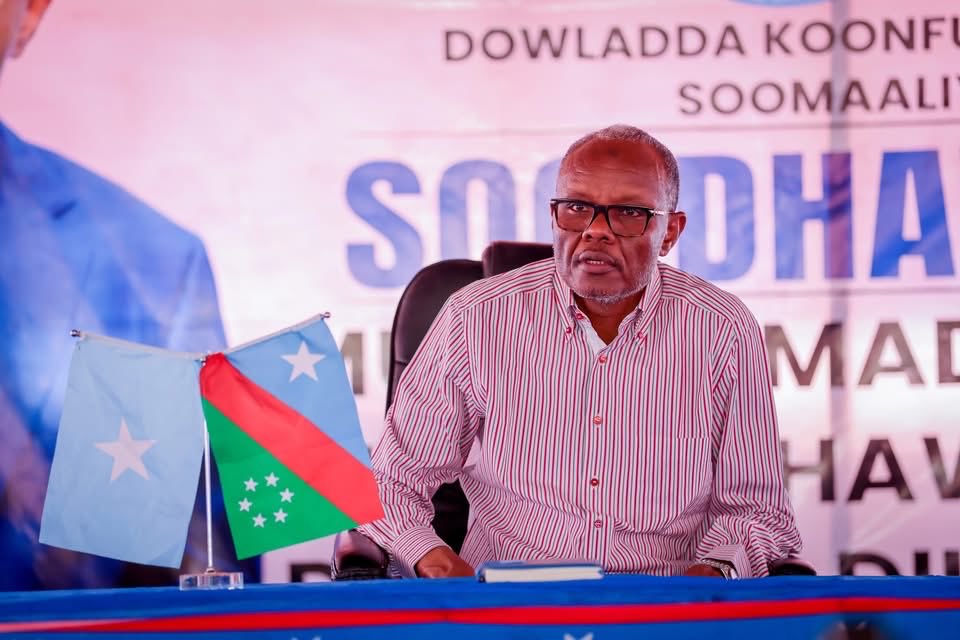
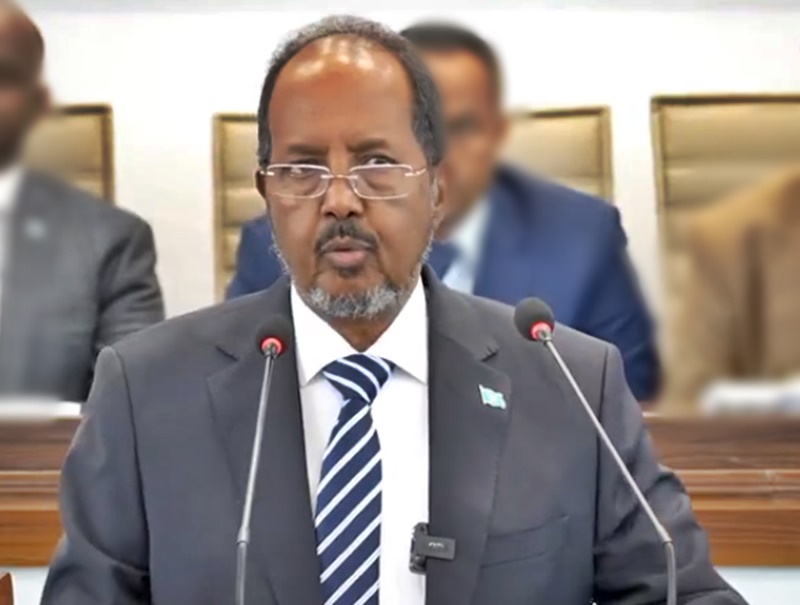
The move has prompted a swift response from Somali President Hassan Sheikh Mohamud, who insisted that Somalia has never refused to take back its own citizens but argued that European authorities must first ensure that those being deported are genuinely Somali nationals.
The new measures, announced by the Council of the European Union, follow an assessment by the European Commission, which concluded that Somalia’s level of cooperation on migrant readmission remains inadequate under EU rules governing visa policy.
Under the restrictions, EU member states will no longer be able to issue multiple-entry short-stay visas to Somali nationals. Authorities will also no longer be permitted to waive documentary requirements for visa applicants or exempt holders of diplomatic and service passports from visa fees. In addition, the standard processing period for visa applications will increase from 15 calendar days to 45 days.
The measures will remain in force indefinitely, although the European Commission said it would continue monitoring Somalia’s cooperation and could recommend lifting the restrictions if sufficient progress is made.
The European Union regularly reviews how non-EU countries cooperate on accepting the return of their nationals under its visa regulations. Where countries are deemed to be falling short, Brussels can suspend parts of its short-stay visa facilitation rules as a means of encouraging greater cooperation.
Responding during Somalia’s Independence Day celebrations, President Mohamud rejected suggestions that his government was unwilling to receive returning citizens.
“We haven’t rejected our people; they own this country. And we cannot reject them,” he said, while arguing that Somali authorities had legitimate concerns about verifying the identities of some individuals presented for deportation.
The president said migration authorities often face difficulties because people from across the Horn of Africa can have similar physical characteristics, and some asylum seekers falsely identify themselves as Somali while seeking protection in Europe.
He said previous deportation cases had revealed individuals who were returned as Somali nationals but later proved unable to speak the Somali language or demonstrate links to the country.
“If they are Somali, then we’ll take them. If they aren’t, we’ll help you find out where they are from, and you can send them there,” Mohamud said.
The dispute comes against the backdrop of Somalia’s long-running political and security challenges, which continue to drive migration towards Europe.
The country has spent more than three decades attempting to rebuild after the collapse of its central government in 1991 and the civil conflict that followed. Despite progress in rebuilding state institutions, Somalia continues to face a persistent insurgency led by al-Shabaab, an al-Qaeda-linked militant organisation responsible for deadly attacks across the country since 2006.
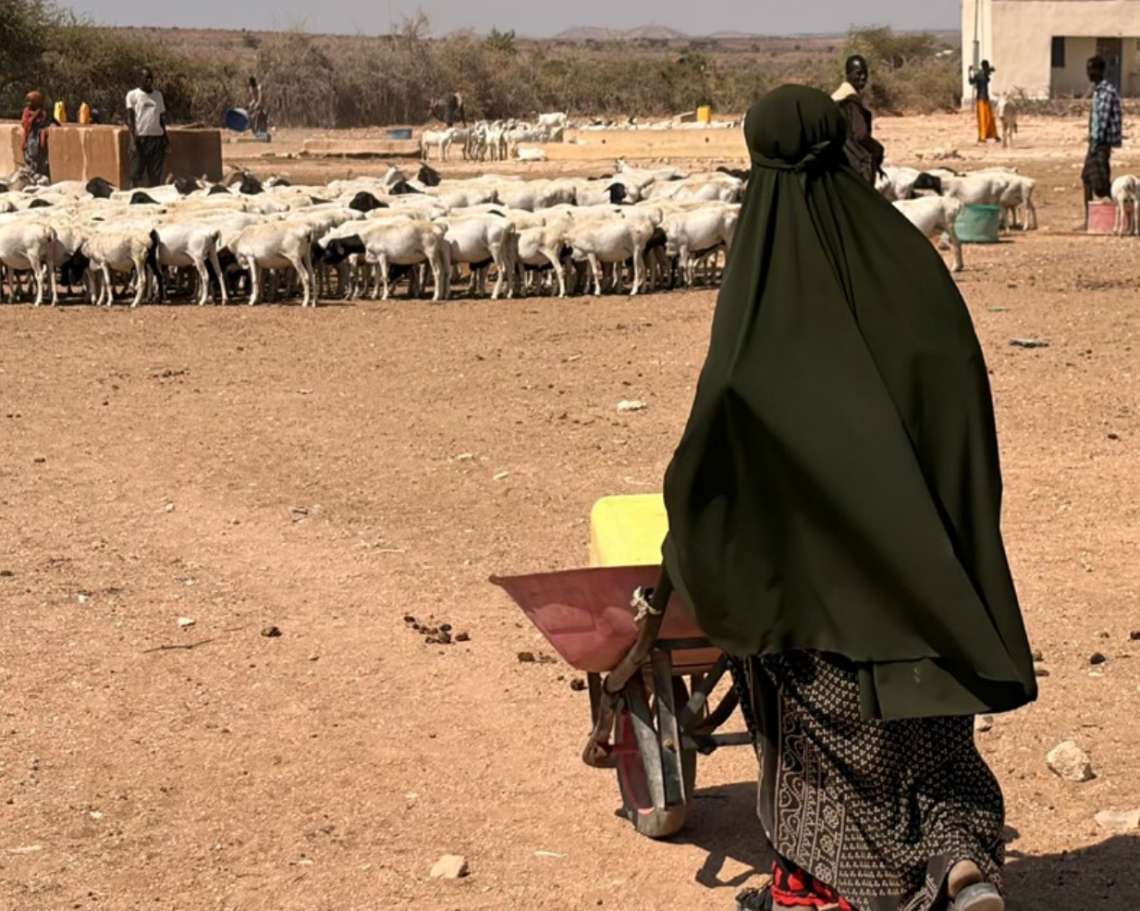
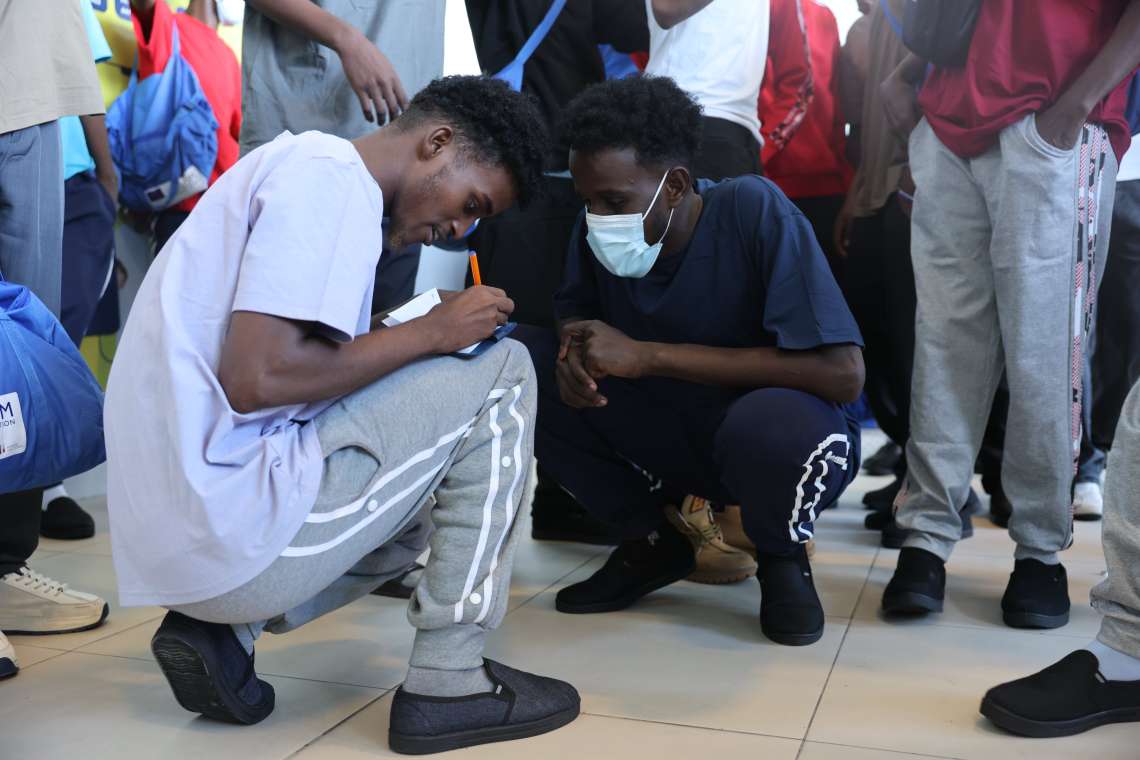
Years of conflict, insecurity, drought, unemployment and limited economic opportunities have prompted many Somalis to undertake dangerous migration routes towards Europe, often travelling through Libya and across the Mediterranean. Human rights organisations have repeatedly documented cases of migrants facing detention, extortion, trafficking and violence along these routes.
President Mohamud said his government remained committed to helping Somali citizens return home and noted that the Prime Minister’s office regularly dealt with repatriation cases. He added that Somali embassies had been instructed to assist nationals seeking to return.
The European Union, however, says countries of origin have a responsibility to cooperate fully with readmission requests. European Commissioner for Internal Affairs and Migration Magnus Brunner said countries must fulfil their obligations under international arrangements, warning that failure to do so could have consequences.
The visa restrictions are intended to encourage closer cooperation rather than serve as a permanent sanction. Brussels has previously adopted similar measures against other countries before lifting them once cooperation improved.
In 2021, the European Union imposed comparable visa restrictions on The Gambia over readmission concerns. Similar measures were introduced against Ethiopia in 2024 before being lifted in May this year after the European Commission concluded that Addis Ababa had made sufficient progress.
For now, Somali travellers applying for short-stay visas to the Schengen area are likely to face longer processing times, fewer visa privileges and stricter documentation requirements until the European Union determines that cooperation on migrant returns has improved.