
Somalia is preparing for potentially severe flooding during the October-December 2026 rainy season, with farmers and displaced families among those most at risk…reports Africa Daily News Desk
Millions of people in Somalia could face worsening food insecurity and displacement as climate experts warn of a potentially severe El Niño event between October and December 2026. Above-normal seasonal rainfall could trigger widespread flooding, particularly along the Shabelle and Juba rivers, threatening farms, homes and already vulnerable communities.
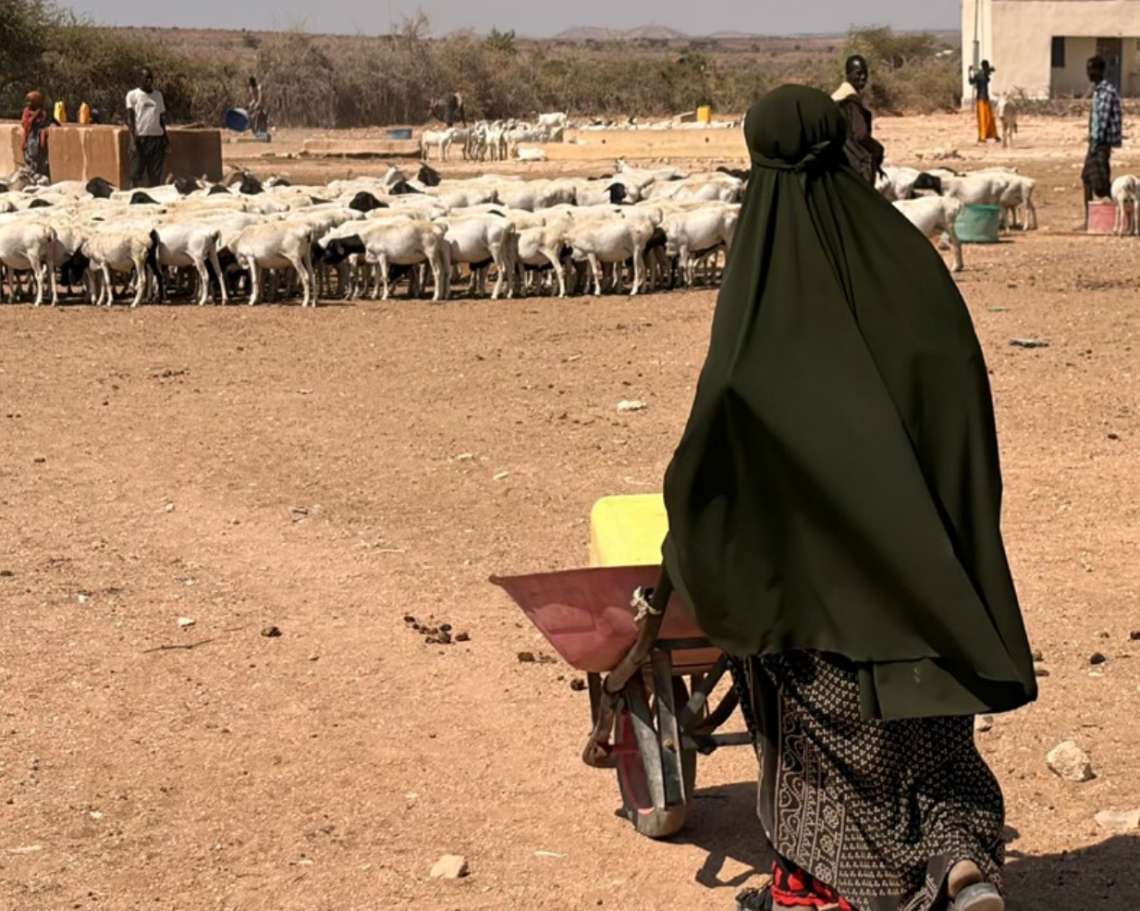
In Bayahaaw village, on the outskirts of Jowhar in central Somalia, farmers face a difficult choice: plant their crops and risk losing them to floodwaters, or leave their fields uncultivated and face potential food shortages in the coming year.
Nuh Adan, a farmer and community leader in Bayahaaw, warned that flooding caused by breaches in riverbanks could have consequences lasting for months.
“If the river breaks and the floods hit us, the effects will last until the next rainy season in March,” Adan said.
Somalia experienced a similar crisis in 2023, when flooding affected nearly two million people and displaced more than 500,000. Communities living along the Shabelle and Juba rivers remain particularly vulnerable, as overflowing rivers and damaged flood barriers can destroy farmland and inundate entire villages.
Despite the risks, farmers cannot afford to delay planting indefinitely. Adan said previous floods had destroyed crops shortly before they were ready for harvest, leaving families with substantial losses.
“We have seen maize cobs that were not yet fully developed, only needing 15 to 25 days to be ready for harvest, being destroyed by floods,” he said. “And we just had to bear the loss. But abandoning the farms is not an option.”
According to the latest Integrated Food Security Phase Classification (IPC) analysis, above-normal rainfall and subsequent flooding are expected to deepen hunger across Somalia. The risks are particularly concerning for the estimated 3.3 million people living in informal displacement settlements, where shelter and access to basic services are often inadequate.
Many displaced families live in makeshift shelters built from wooden sticks, cloth scraps and corrugated iron sheets. Limited access to clean water and inadequate sanitation leave residents exposed to additional risks when heavy rains arrive.
Kamillo Muse, 59, who lives in Ceeynu Nasri displacement camp in Jowhar, said residents were anxious about the approaching rainy season.
“We are terrified of the upcoming rains,” she said. “After three years of not having good rainfall, it feels like it will return with a vengeance.”
“If it pours, forget those living in displacement camps. Even people in proper houses will be forced to flee. So what do you expect will happen to us in the camps?” she added.
Humanitarian organisations are preparing for possible flooding by introducing early-response measures and drawing on lessons from the 2023 disaster. However, their ability to respond has been constrained by significant reductions in humanitarian funding and operational capacity.
Antoine Grand, head of the International Committee of the Red Cross (ICRC) in Somalia, said preparations had improved since the previous major flooding emergency, although resources remained a concern.
“Better preparation and better data. That’s the good news compared to 2023,” Grand said. “The bad news is that humanitarian funding and capacity in general have seriously decreased.”
The ICRC and the Somali Red Crescent Society (SRCS) are preparing for potential floods by distributing sandbags and positioning essential supplies, including tarpaulins, mosquito nets and hygiene items, in flood-prone areas. Medical and nutrition supplies are also being stocked at supported health facilities to help them continue operating during emergencies.
SRCS volunteers in Kismayo, Bardere, Jowhar and Beletweyne have received boat training to strengthen their ability to respond to flood emergencies.
El Niño is a recurring climate phenomenon originating in the equatorial Pacific Ocean that influences weather patterns around the world. It can contribute to drought in some regions and heavier rainfall in others.
In Somalia, the anticipated event could intensify the Deyr rainy season from October to December 2026, increasing the risk of severe flooding, particularly along the Shabelle and Juba rivers. With farmers preparing their fields and displaced families facing precarious living conditions, the scale of the coming rains could have serious consequences for food security, livelihoods and humanitarian needs.