
At least 139 migrants have died and 84 remain missing after a boat carrying 305 people capsized off Djibouti while travelling towards Yemen…reports Africa Daily News Desk
At least 139 migrants have died and another 84 remain missing after a boat carrying 305 people capsized off the coast of Djibouti while travelling towards Yemen, the International Organization for Migration (IOM) said. Search and rescue operations are continuing, with authorities recovering additional bodies and providing emergency assistance to survivors of one of the deadliest shipwrecks recorded along the Eastern Route.
The boat capsized near Guehere, north of Obock, during the night of 8-9 October. The death toll rose from 109 to 139 after 30 additional bodies were recovered, according to the IOM.
Around 82 people survived the disaster, while authorities continue searching for those still missing.
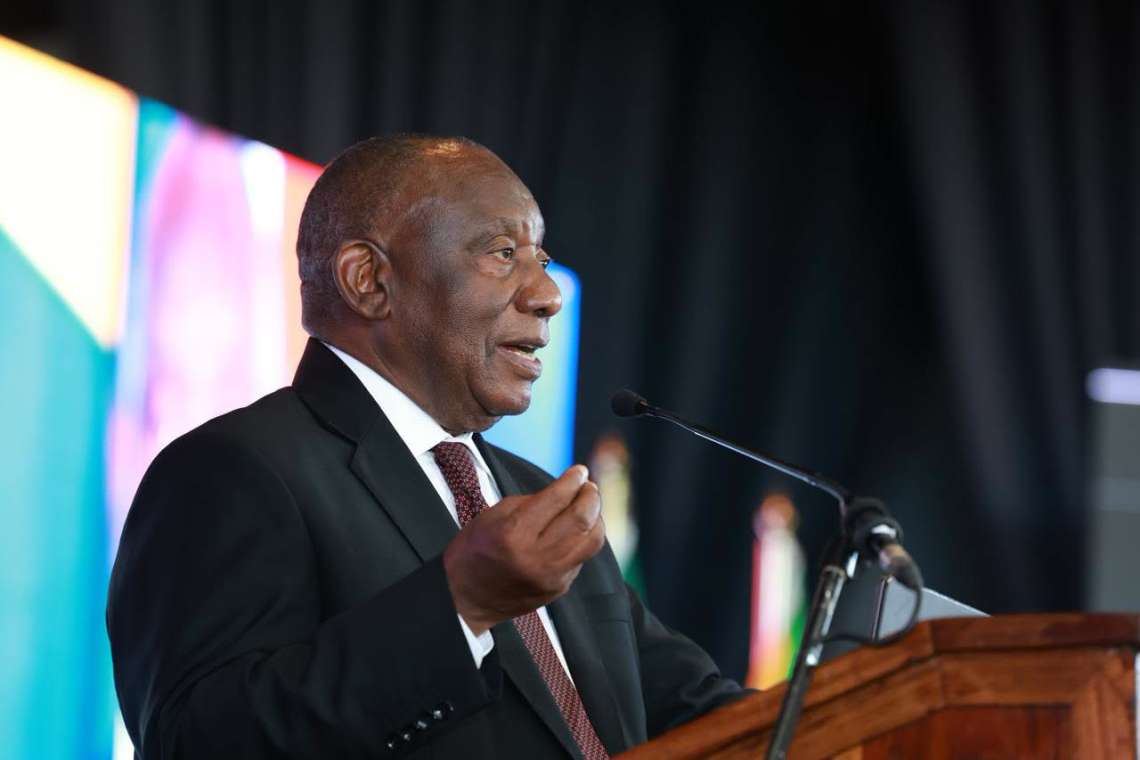
“This is a devastating loss of life. Our thoughts are with the survivors and the families who have lost loved ones or remain without news of their relatives,” said Alexandre Coissac, IOM Chief of Mission in Djibouti, in an earlier statement on the tragedy.
“Our teams are on the ground alongside local authorities to provide emergency assistance. This tragedy is a stark reminder of the dangers faced by migrants along this migration corridor as they seek economic opportunities.”
Djiboutian authorities are continuing search and recovery operations, providing medical care to survivors and arranging dignified burials for those who died.
Why are migrants risking the dangerous Djibouti-Yemen crossing?
Every year, tens of thousands of migrants from the Horn of Africa travel through Djibouti and cross the Bab el-Mandeb Strait to Yemen in the hope of reaching Gulf countries in search of employment, safety and better living conditions.
Poverty, insecurity and the growing effects of climate change are among the factors driving people to undertake the dangerous journey, despite continuing instability across the Middle East.
The latest shipwreck highlights the risks faced by migrants travelling along the Eastern Route, where overcrowded and unsafe boats expose passengers to the threat of drowning.
Despite violence and insecurity in Yemen, migrants continue to make the crossing in the hope of finding opportunities in Gulf countries. Since 10 September, more than 20,000 incoming movements from Ethiopia to Djibouti have been recorded by the IOM’s Displacement Tracking Matrix.
The dangers do not end when migrants reach Yemen. Those who survive the sea crossing may face violence, arbitrary arrest and detention, exploitation and human trafficking.
How is the IOM assisting survivors of the shipwreck?
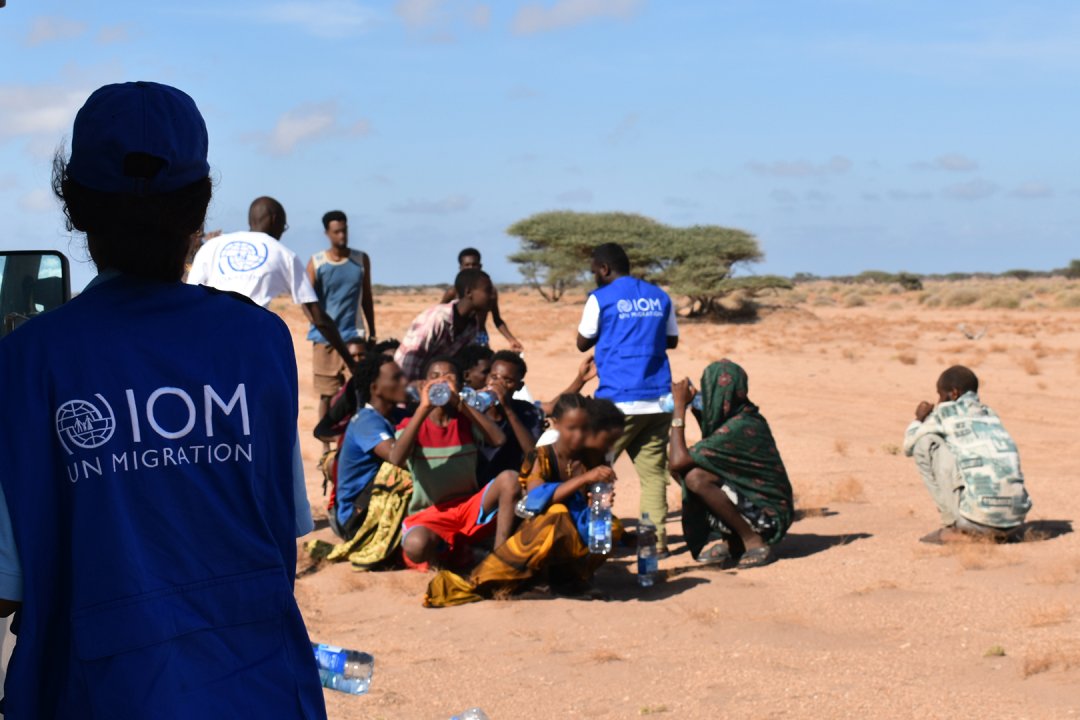
The IOM is providing emergency assistance to survivors at its Migrant Response Centre in Obock, including healthcare, psychosocial support, food, temporary shelter and protection services.
The organisation is also helping survivors reconnect with their families while coordinating with Djiboutian authorities to respond to the humanitarian needs arising from the disaster.
The continuing search operations have raised concerns about the fate of those still missing, while the scale of the tragedy has renewed calls for greater international cooperation to prevent migrant deaths.
IOM Director General Amy Pope called for urgent action to expand safe and legal migration routes and prevent further loss of life.
“No one gets into a boat like that unless they believe there is no other safe way,” Pope said.
“We cannot keep treating these deaths as normal. Safe and legal pathways save lives. I am asking governments and donors to act before the next boat goes down.”
How many migrants have died along the Eastern Route?
The latest disaster comes amid continuing dangers along the migration corridor connecting the Horn of Africa, Yemen and Gulf countries.
According to the IOM’s Missing Migrants Project, more than 900 migrants died or went missing along the route in 2025, while the number of people undertaking the journey increased by 18 per cent.
A further shipwreck in March 2026 left nine people dead and 45 missing.
The IOM works with Djiboutian authorities to assist migrants and prevent deaths at sea and on land. However, growing humanitarian needs and limited funding continue to place pressure on response efforts.
The organisation has urged donors and international partners to strengthen support for Djibouti, including funding for search and rescue operations and life-saving assistance.
It has also called for expanded safe migration pathways to reduce the risks faced by people undertaking dangerous journeys in search of security and economic opportunities.