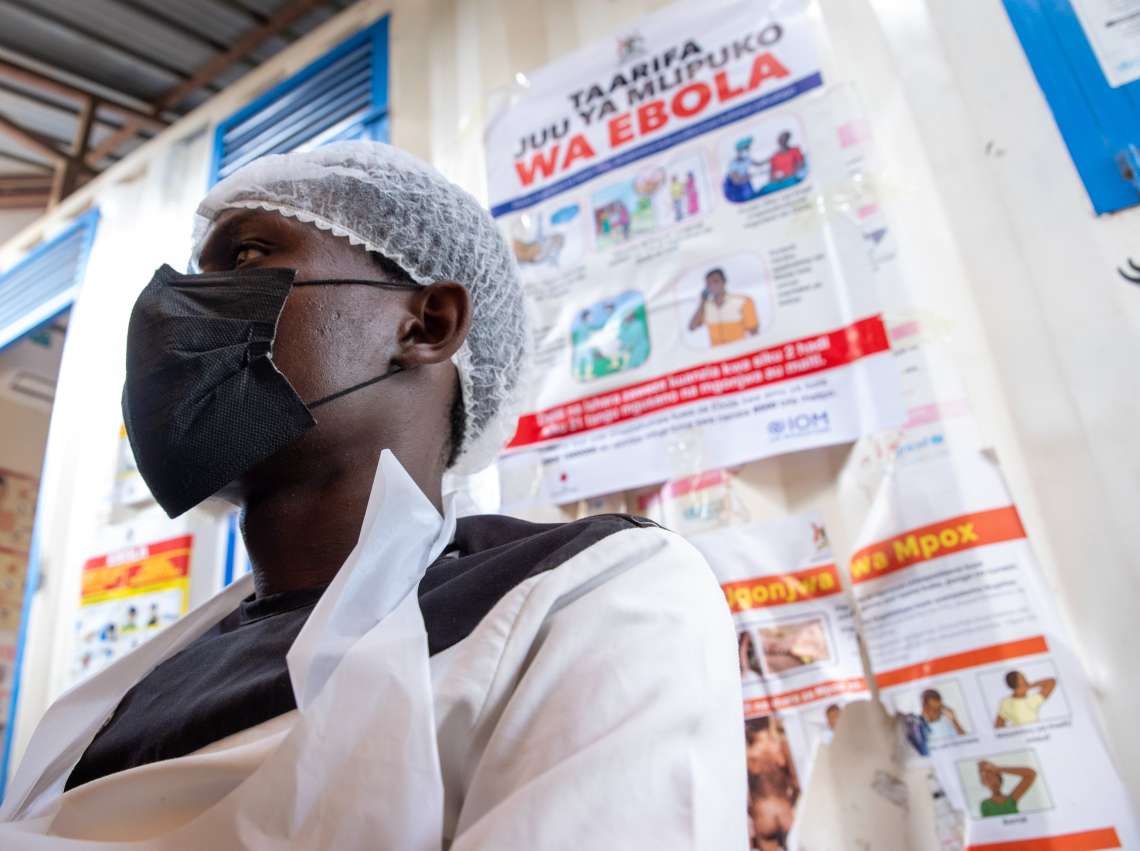

Uganda has introduced fresh Ebola prevention measures, including a ban on mass gatherings in high-risk border districts and mandatory 21-day quarantine for certain travellers from the DRC….reports Africa Daily News Desk
Uganda has introduced additional measures to prevent the spread of Ebola from the Democratic Republic of the Congo (DRC), including restrictions on public gatherings in high-risk border districts, tighter cross-border movement controls and mandatory 21-day quarantine for certain travellers.
The Ministry of Health announced the measures on November 19, following concerns over continued movement of people across the country’s borders, including through unofficial crossing points, which authorities say could increase the risk of Ebola entering Uganda and spreading to local communities and neighbouring countries.
The new restrictions were adopted by the National Task Force on Epidemic Preparedness and Response, with all previously announced preventive measures remaining in force.
Under the latest directives, concerts and other mass gatherings in designated high-risk border districts have been suspended until further notice. Festivals, rallies and similar events will not be permitted in these areas without written clearance from the Ministry of Health.
The government has also tightened controls on cross-border movement, warning that individuals who enter the country illegally and those facilitating unauthorised crossings could face prosecution or penalties under the law.
Ugandans returning from the DRC will be required to undergo mandatory health risk assessments, followed by 21 days of quarantine or monitored self-isolation.
Humanitarian workers seeking to cross the border must first obtain clearance from the Director General of Health Services at the Ministry of Health. The transfer of bodies of deceased persons into or out of Uganda will also require prior approval from the health authorities.
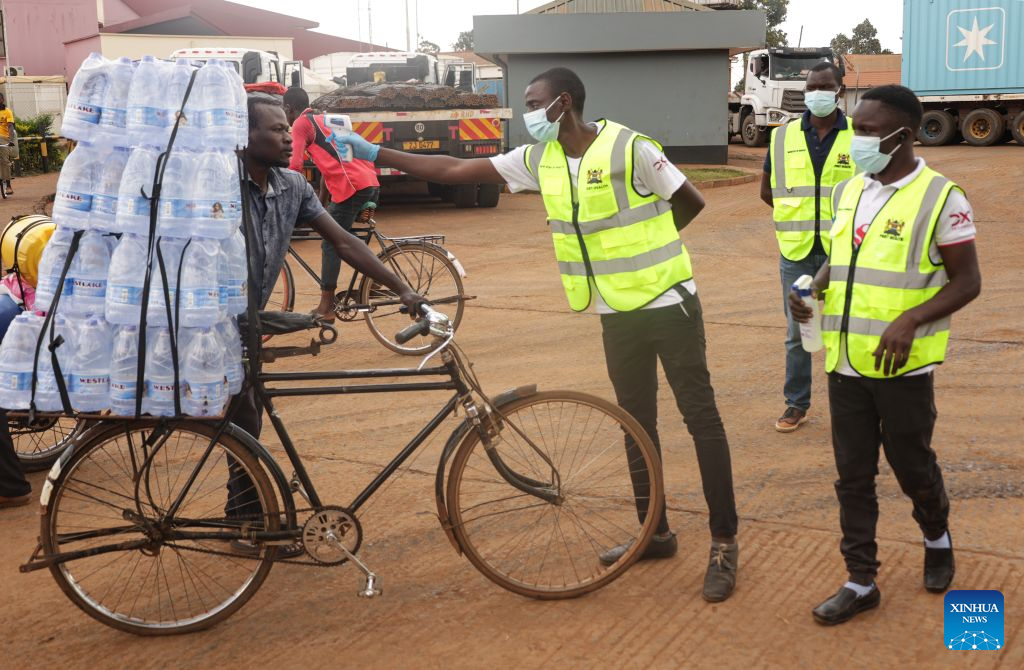
The measures extend to air travel and other transport services, with intensified Ebola prevention procedures introduced at Entebbe International Airport for both arriving and departing passengers.
All air passengers must complete a passenger locator form before boarding to support contact tracing. Airlines and other transport operators found knowingly carrying unauthorised or improperly documented travellers will face sanctions.
What restrictions apply in high-risk districts?
The Ministry has introduced additional requirements for communities, schools and hotels operating in 34 designated high-risk districts.
All new arrivals and people relocating into these districts must immediately be reported to the respective Local Council I (LC1) chairpersons.
The movement of day scholars between the DRC and Uganda, in both directions, has been prohibited in the designated districts in accordance with approved movement protocols.
Boarding school students with possible exposure to the virus will be required to complete 21 days of quarantine at designated facilities before returning to school.
Hotels and other accommodation providers must maintain accurate guest registers, verify visitors using valid identification and make the information available to health and security authorities when requested.
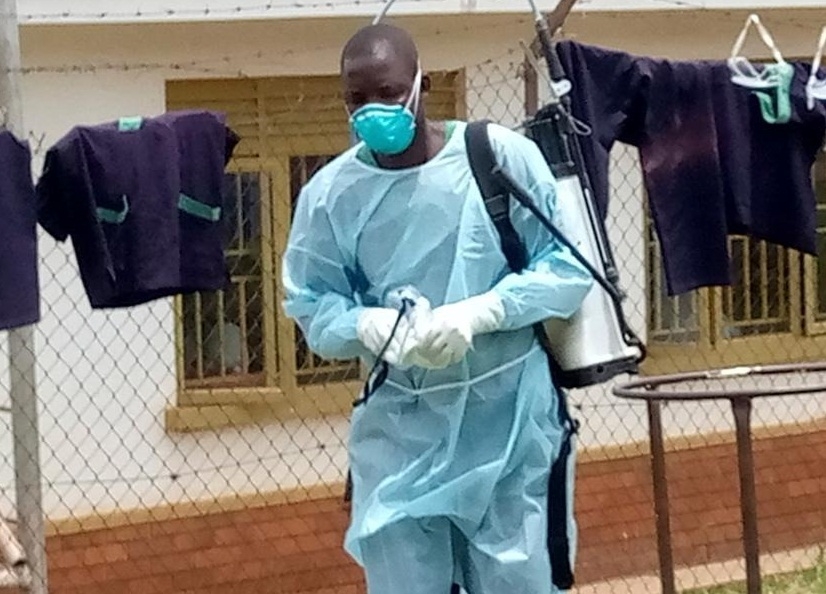
Schools, healthcare facilities, transport terminals, places of worship, hotels and other public spaces have also been instructed to provide handwashing facilities and follow infection prevention and control measures.
As part of efforts to increase public awareness, radio stations operating in all border districts have been directed to dedicate at least two hours every month to Ebola prevention education.
The Ministry has also issued a general public health advisory outlining how the virus spreads and the symptoms people should watch for.
Ebola spreads through direct contact with the blood or bodily fluids of an infected or deceased person, as well as infected animals. Symptoms include sudden fever, headache, muscle pain, weakness, vomiting, diarrhoea and unexplained bleeding.
The public has been advised to avoid contact with anyone displaying suspected symptoms and with the bodies of people who have died from unexplained illnesses. Regular handwashing with soap and clean water has also been emphasised.
Anyone suspecting an Ebola infection has been urged to report it immediately to the nearest health facility or contact the Ministry of Health through its toll-free hotline on 0800 100 066.
The Ministry thanked the Uganda Police Force, Uganda People’s Defence Force, other security agencies, local leaders, airline companies, the media and members of the public for their continued cooperation.
Permanent Secretary Dr Diana Atwine said the ministry would continue providing updates as the situation develops.
The latest measures reflect Uganda’s efforts to strengthen border surveillance, improve preparedness and prevent the potential spread of Ebola from neighbouring DRC.