
President Netumbo Nandi-Ndaitwah has urged young Namibians to move beyond job seeking and become producers, innovators and international traders….reports Africa Daily News Desk
Namibian President Netumbo Nandi-Ndaitwah has called on young people to move beyond seeking employment and become producers, innovators and international traders, saying their participation will be crucial to the country’s economic future.
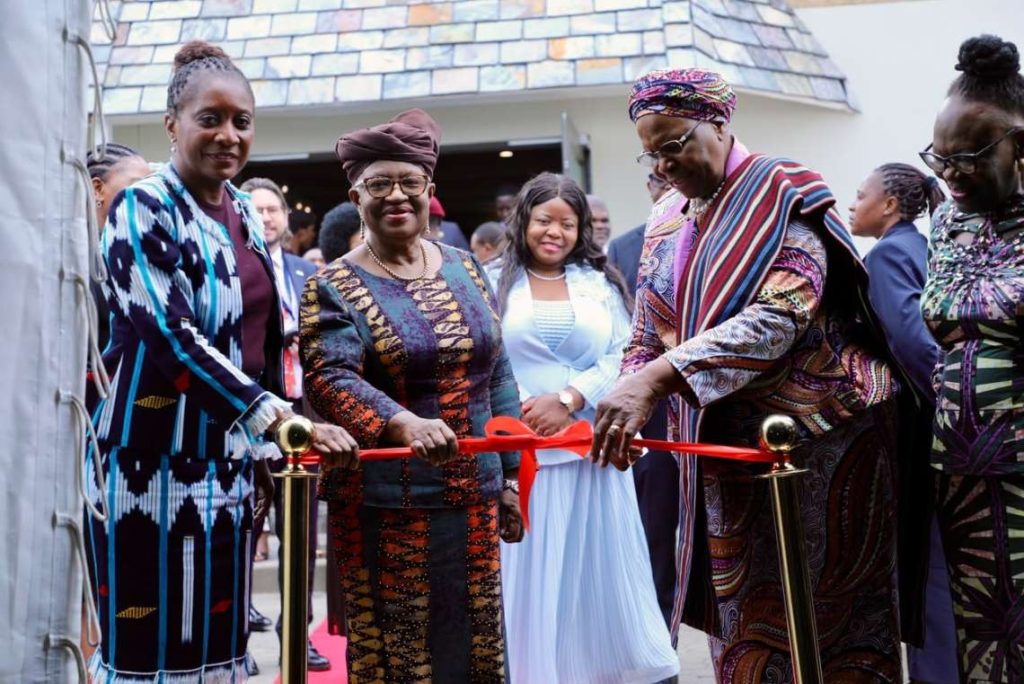
Speaking at the official opening of the inaugural National Youth Trade Forum, the President highlighted government efforts to remove financial and structural barriers preventing youth-owned businesses from accessing local, regional and international markets.
With 71.1 per cent of Namibia’s population below the age of 35, Nandi-Ndaitwah said youth empowerment remained central to the government’s economic priorities. Under the Eighth Administration, she noted, youth development had been integrated into all seven national priority areas, including agriculture, sports, education, creative industries, health and infrastructure.
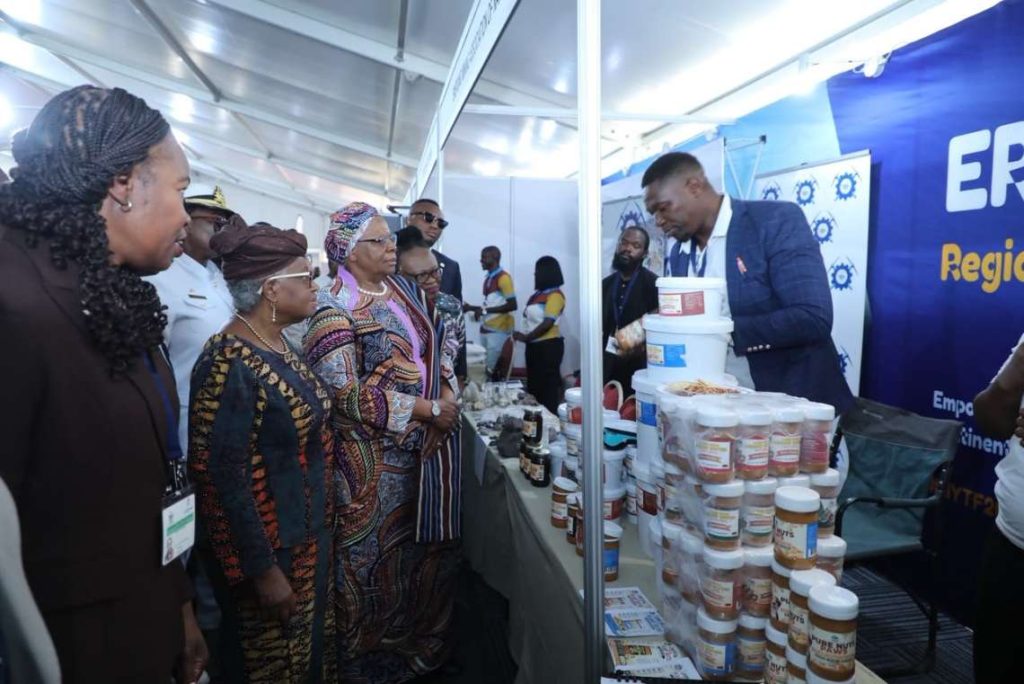
The President also highlighted the contribution of small and medium enterprises (SMEs) to the national economy. Namibia has approximately 40,000 SMEs, which account for 12 per cent of gross domestic product (GDP) and support more than 200,000 livelihoods.
Under the Sixth National Development Plan (NDP6), the government aims to increase the manufacturing sector’s contribution to the economy from 10.6 per cent to 18 per cent by 2030.
Against this backdrop, Nandi-Ndaitwah encouraged young entrepreneurs to establish strategic partnerships and position themselves to secure subcontracting opportunities in major projects, including the N$42 billion Dangote Namibia Tank Farm and Regional Pipeline Project.
Addressing challenges faced by young entrepreneurs, particularly limited access to working capital and equipment, the President outlined several government initiatives designed to support youth-owned enterprises.
Government funding and support for youth businesses
These include the National Youth Development Fund, which has been capitalised with N$257 million, alongside an additional N$165 million from NamibRe.
The fund provides collateral-free loans through institutions such as the Development Bank of Namibia (DBN) and Agribank. It has already contributed to the creation of more than 700 jobs within its first few months of operation.
Nandi-Ndaitwah further noted that more than 3,000 micro, small and medium enterprises (MSMEs) across all 14 regions had benefited from the Equipment Aid Scheme and the MSME Development Fund.
Initiatives such as the Youth Credit Scheme and the 121 Rural Youth Enterprises Project have also trained more than 1,400 young people in business management.
The President challenged young Namibians to look beyond the domestic market of approximately three million people and explore opportunities offered by regional, continental and international trade agreements.
She highlighted the African Continental Free Trade Area (AfCFTA) as a major opportunity for young entrepreneurs seeking to expand their businesses. Following Namibia’s first AfCFTA export consignment in 2025, she encouraged aspiring traders to make use of the AfCFTA Protocol on Women and Youth in Trade to access a continental market of approximately 1.3 billion people.
She also urged young business owners to familiarise themselves with duty-free and quota-free market access opportunities available through the Southern African Development Community (SADC), the Southern African Customs Union (SACU), the SADC-European Union Economic Partnership Agreement and the rules-based multilateral trading system supported by the World Trade Organization (WTO).
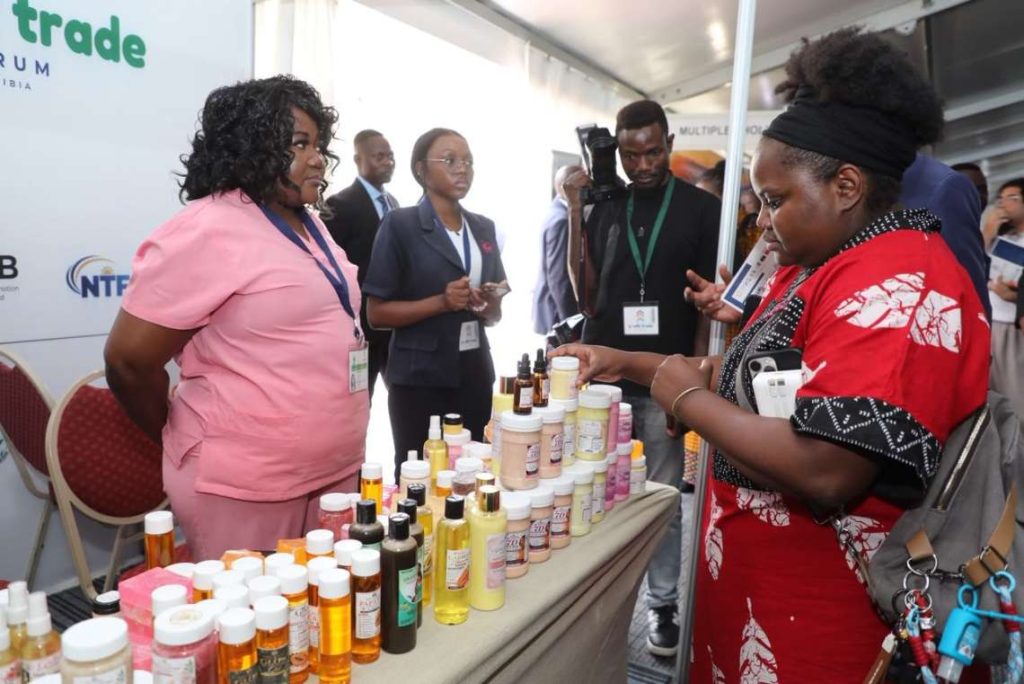
Nandi-Ndaitwah also encouraged young people to embrace digital trade, highlighting the potential of online platforms and e-commerce to connect businesses with customers around the world without the overhead costs associated with operating physical retail outlets.
Concluding her address, the President called on young entrepreneurs to prioritise local value addition by processing, packaging and branding Namibia’s resources, including minerals, beef, fish, horticultural products and cultural heritage.
She urged them to move beyond exporting raw materials and develop businesses that create greater value from the country’s resources, strengthening local production and expanding Namibia’s participation in international trade.