
More than 11,100 confirmed cases and 5,400 deaths have been reported in the six-month Bundibugyo Ebola outbreak…reports Africa Daily News Desk
Africa CDC has warned that gains made in containing the ongoing Bundibugyo Ebola outbreak remain fragile, with insecurity, displacement and restricted movement continuing to hamper response efforts. The outbreak has spread across eight provinces in the Democratic Republic of the Congo (DRC), with more than 11,100 confirmed cases and over 5,400 deaths reported.
Marking six months since the DRC declared the outbreak on May 15, the Africa Centers for Disease Control and Prevention (Africa CDC) said immense challenges continue to fuel the spread of the deadly disease, despite progress in strengthening healthcare services and containment measures.
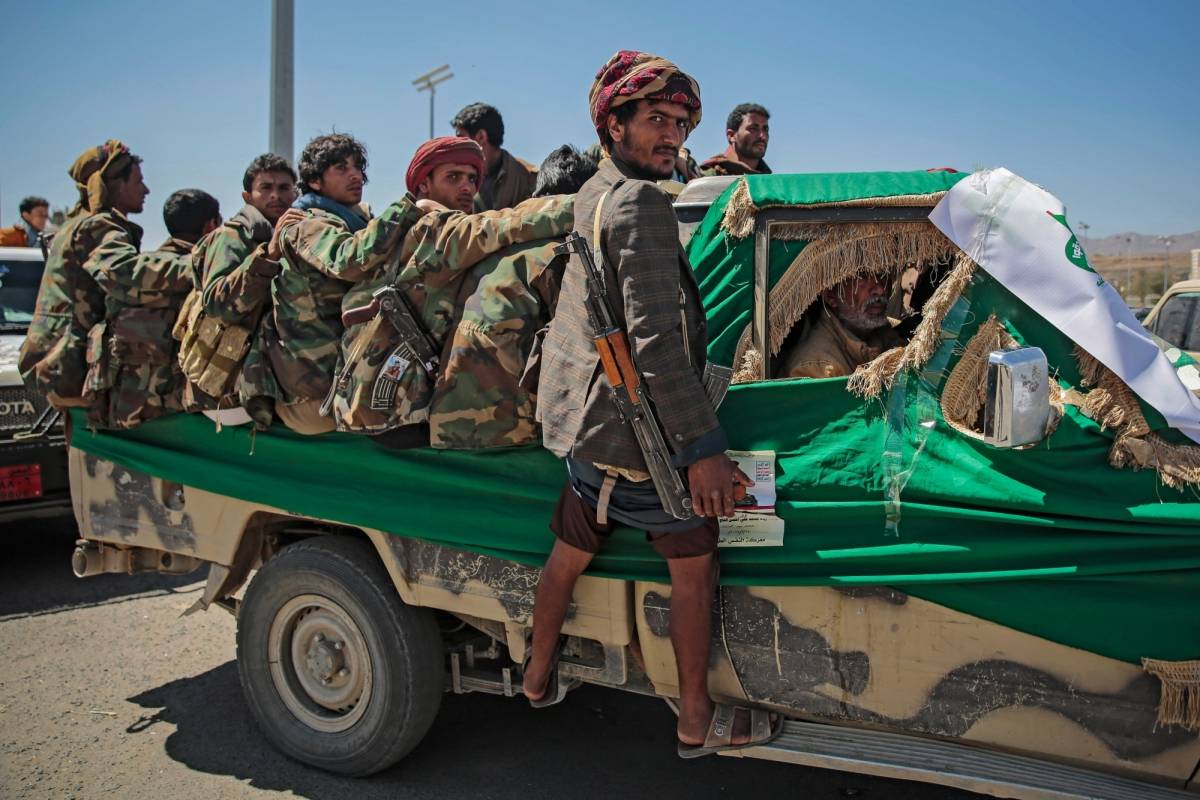
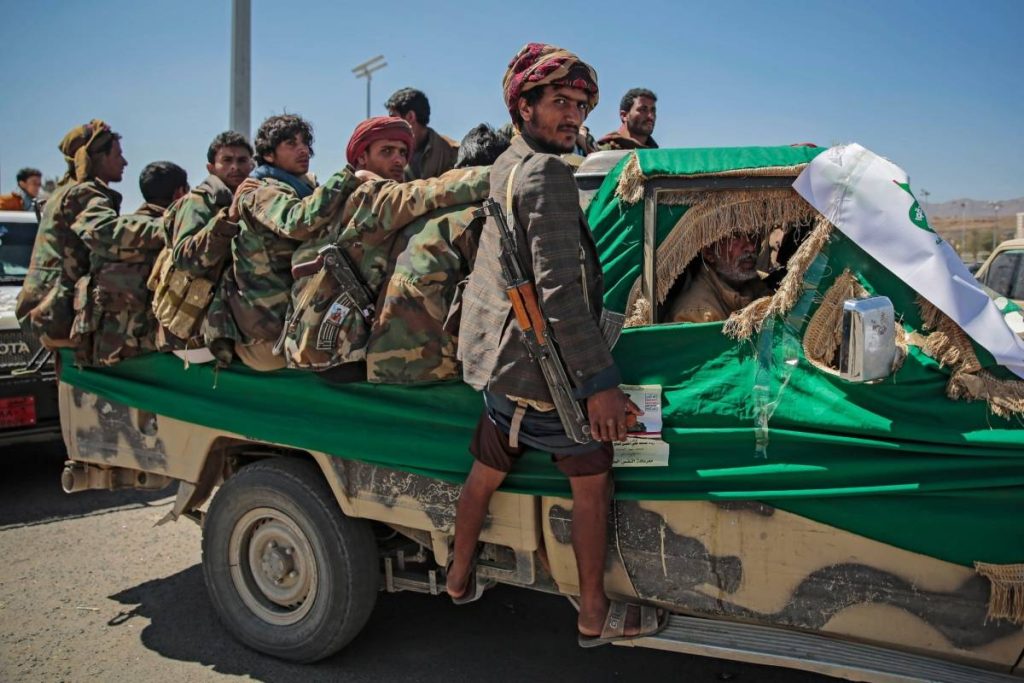
In a statement issued on Sunday, the agency identified insecurity as one of the biggest obstacles to controlling the outbreak, reporting more than 80 attacks on healthcare facilities and services over the past six months.
Ongoing conflict, population displacement and movement restrictions have further complicated efforts to contain the virus and provide medical assistance to affected communities.
Despite significant progress in bringing lifesaving services closer to vulnerable populations, an average of 400 to 500 new cases continue to be reported every week in the DRC, the agency said.
The outbreak, which initially affected three health zones in a single province, has expanded to approximately 67 health zones across eight provinces, highlighting the scale of the public health challenge.
Children bear a disproportionate burden
Africa CDC expressed particular concern over the impact of the outbreak on children, who account for more than a quarter of confirmed cases and approximately one-third of all deaths.
According to the agency’s data, seven out of every 10 children under the age of five diagnosed with Ebola have died.
It also warned that low contact follow-up rates and a high number of community deaths indicate that infections are continuing to be detected too late, reducing opportunities for timely treatment and effective containment.
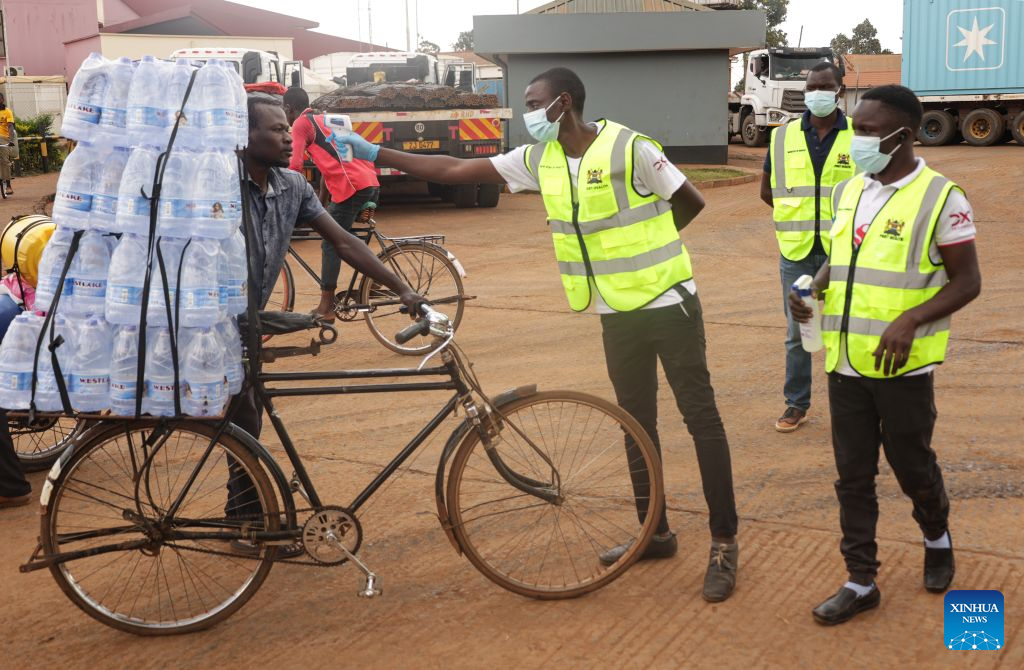
Recent imported cases reported in Kenya and Nigeria have further highlighted the risk of the virus spreading beyond national borders, underscoring the need for stronger regional surveillance and preparedness, Xinhua News Agency reported.
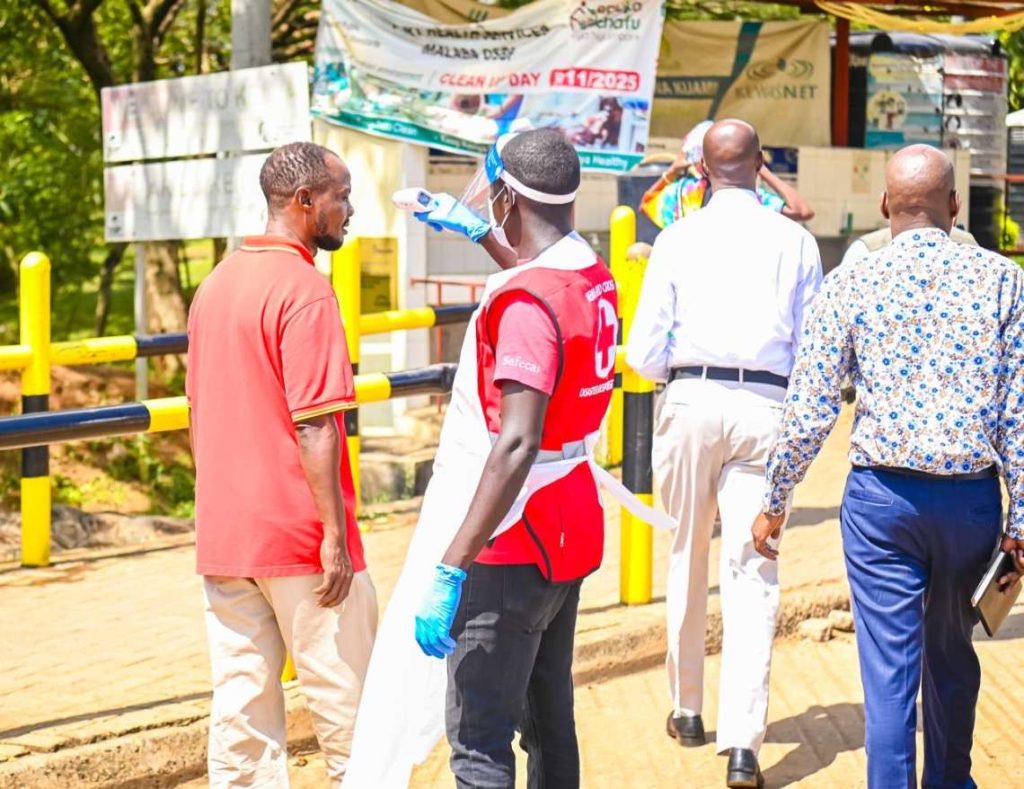
Response efforts show progress
Despite the challenges, Africa CDC pointed to several achievements in the six-month response, including efforts to bring most of the outbreak’s initial epicentres under control and halt rapid transmission.
Around 3,000 patients have recovered from the disease, while nearly 90 per cent of registered deaths are now being managed through safe and dignified burials.
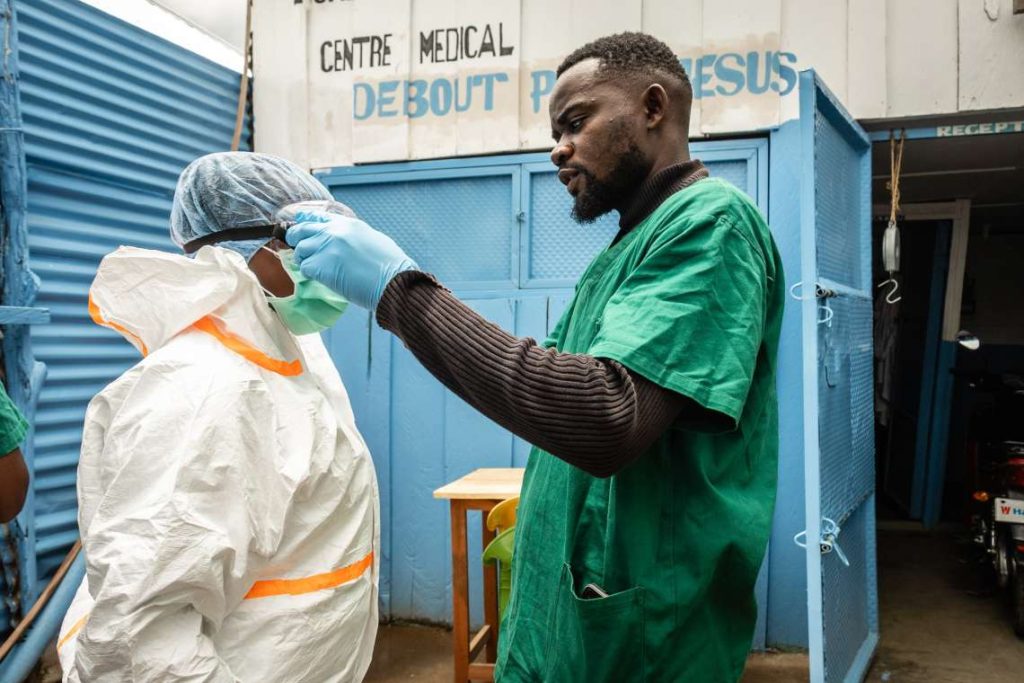
The agency also highlighted improvements in diagnostic and treatment infrastructure. Laboratory capacity has expanded from just two facilities to more than two dozen, while close to 2,000 treatment beds are now available across 104 treatment and transit centres.
Enhanced cross-border cooperation has also strengthened disease surveillance, information-sharing and coordination among affected and at-risk countries.
However, Africa CDC cautioned that the Bundibugyo Ebola strain has no licensed vaccines or targeted medical countermeasures. Scientific research is progressing, including the evaluation of candidate treatments and vaccines, but further advances are needed.
“These successes remain fragile, however, and must be protected and scaled up across the affected and at-risk areas,” the agency said.
It called for sustained and flexible funding through 2027, alongside continued political commitment, safe access to affected communities, protection for healthcare workers and meaningful community participation.
The agency stressed that maintaining the progress achieved so far would require coordinated efforts to address insecurity, strengthen healthcare systems and ensure that affected populations have access to timely medical care.