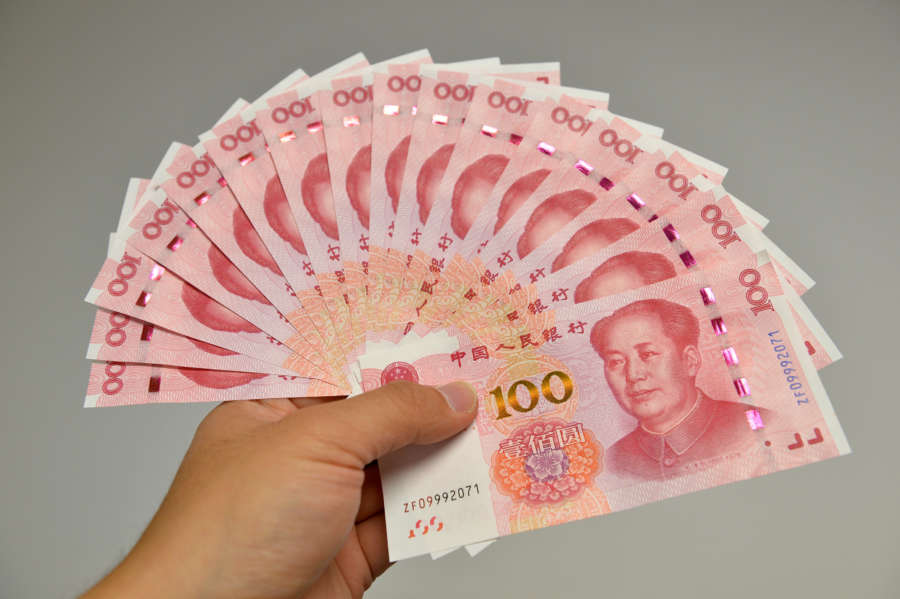

China is encouraging African nations to repay Chinese loans in yuan rather than US dollars as part of its broader effort to expand the global use of its currency…reports Africa Daily News Desk
China has begun encouraging African countries to repay loans in yuan instead of US dollars as part of a broader strategy to promote the international use of its currency and reduce global reliance on the dollar, according to a media report.
An article published by Nigeria’s Independent newspaper said Kenya’s decision to restructure part of its Chinese debt by shifting repayments from US dollars to the Chinese yuan is being viewed as an early indication of a wider transformation in international finance.
According to the report, countries facing growing financial pressures are increasingly exploring alternatives to the long-established dollar-centred global monetary system.
The article said China, now one of the world’s largest economies, has been working to reduce its dependence on the US dollar, a currency over which it has no control. Expanding the international use of the yuan has become a key element of Beijing’s long-term financial strategy.
Over the past two decades, China has emerged as one of Africa’s largest bilateral lenders, financing infrastructure projects across the continent at a scale unmatched by many traditional international institutions.
The report noted that Chinese lending filled a gap left by conventional development lenders, which often attached governance conditions, policy reforms and lengthy approval processes to financing.
Chinese-backed funding supported projects including highways, railways, ports, airports, power plants, telecommunications infrastructure and urban transport systems across several African countries.
Historical estimates cited in the report suggest African nations accumulated between 150 billion and 180 billion US dollars in Chinese lending commitments over the past two decades, although outstanding debt varies as loans mature and repayments continue.
Among the largest recipients of Chinese development finance are Angola, Ethiopia, Kenya, Zambia, Egypt, Cameroon, South Africa and Nigeria.

The article highlighted Nigeria as an example of both the opportunities and challenges associated with Chinese financing.
It said Chinese loans have helped fund visible infrastructure projects, including modern railway corridors, airport terminal expansions, hydropower facilities, communications infrastructure and strategic transport links.
Supporters argue these investments delivered projects that might otherwise have remained unbuilt for years. However, the report said large-scale borrowing also creates long-term financial obligations.
According to the article, criticism of China’s lending model focuses less on the borrowing itself than on the challenges countries face once projects are completed.
Infrastructure investments do not always generate revenue quickly enough to match repayment schedules, while governments typically collect taxes in local currencies but must service external debt in foreign currencies. Currency depreciation can therefore significantly increase repayment costs.
The report noted that although infrastructure projects may improve transport, electricity generation and economic activity, they do not necessarily produce immediate financial returns sufficient to offset debt obligations.
As a result, governments may be forced to allocate a greater share of public finances towards debt servicing, reducing spending available for healthcare, education, social welfare and security.
Within this context, the article described Kenya’s decision to renegotiate part of its Chinese debt into yuan as strategically significant.
By switching part of its repayment obligations from dollars to yuan, Kenya sought to reduce exposure to exchange-rate volatility and lower financing costs. While the debt itself remains unchanged, the currency used for repayment has shifted.
The report said supporters viewed the move as a practical response to growing financial pressures.
However, it added that currency carries geopolitical significance beyond its role as a means of payment.
According to the article, China’s broader objective is to expand the international role of the yuan through increased cross-border settlements, financing arrangements and debt repayments denominated in its own currency.
Rather than attempting to replace the US dollar immediately, Beijing appears to be building an alternative international financial framework alongside the existing dollar-based system, the report said.
The article also cautioned that the risks for African countries remain regardless of the currency used to repay debt.
It argued that borrowing contributes to development only when financed projects generate sufficient economic returns to exceed repayment costs.
The report added that wider adoption of the yuan for trade, borrowing and debt repayments could gradually reduce demand for the US dollar in international financial transactions, potentially challenging the dollar’s long-standing dominance in the global financial system.