
China opens its market to 53 African countries with zero tariffs, boosting trade prospects while raising questions about resource dependency and Beijing’s growing strategic influence, By India Daily News Network
China has announced that it will eliminate tariffs on imports from 53 African countries, a sweeping trade decision designed to deepen economic ties with the continent and expand African exports to the Chinese market.
The policy, which will take effect on May 1, 2026, applies to all African nations that maintain diplomatic relations with China. The announcement was made by Chinese Foreign Ministry spokesperson Li Jingjing following remarks by China’s foreign minister Wang Yi.
Beijing said the decision aims to strengthen economic cooperation with Africa while supporting development and industrial growth across the continent.
Speaking at a press briefing, Wang Yi said African countries could count on China’s continued support for economic revitalisation and stronger trade partnerships.
The removal of tariffs is expected to make it easier for African exporters to sell agricultural goods, minerals, textiles and manufactured products in the vast Chinese market.
Expanding trade ties with Africa
The tariff move marks another step in China’s effort to strengthen its economic presence across Africa.
For more than a decade, China has been the continent’s largest trading partner, with bilateral trade exceeding $280 billion in recent years. African economies export raw materials such as copper, cobalt, oil, rare earth metals and agricultural commodities to China, while importing machinery, electronics and industrial goods from Chinese manufacturers.
By removing tariffs, Beijing hopes to expand this trade relationship by encouraging African exporters to increase shipments to China and diversify the range of products entering the Chinese market.
The policy could particularly benefit sectors such as agriculture, mining, textiles and light manufacturing, where African producers often struggle to compete internationally due to tariffs and other trade barriers.
Chinese officials say the decision is intended to create more balanced trade flows and offer African economies new opportunities for export-led growth.

Boost for supply chains and EV industry
Another major factor behind the policy is China’s growing demand for critical minerals used in emerging industries.
African countries hold large reserves of resources such as cobalt, copper and rare earth elements—materials essential for the production of batteries, electronics and electric vehicles.
China dominates the global electric vehicle market, accounting for nearly 70 per cent of worldwide EV sales in recent years. Strengthening supply chains with Africa helps Beijing secure long-term access to the minerals required for this rapidly expanding industry.
Analysts say the tariff removal could therefore deepen economic interdependence between China and African mineral producers, strengthening supply networks linked to electric vehicles, renewable energy technologies and advanced manufacturing.
Linked to Belt and Road strategy
The decision also fits within the broader framework of the Belt and Road Initiative, China’s global infrastructure and connectivity programme.
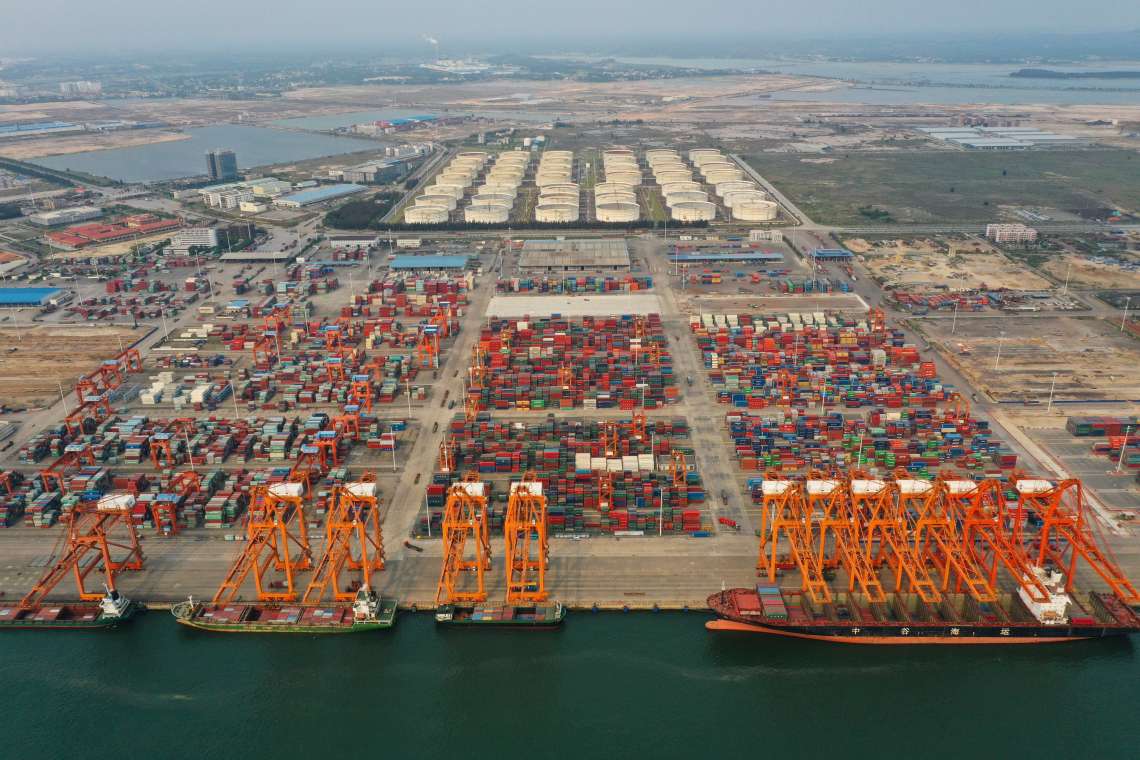
Under the initiative, Beijing has financed major infrastructure projects across Africa, including railways, ports, highways and power plants. These projects aim to improve transport networks and facilitate trade between African economies and global markets.
Tariff-free access to Chinese markets could complement these infrastructure investments by allowing African producers to move goods more easily through modernised ports and logistics corridors developed with Chinese financing.
Supporters say the combination of infrastructure development and expanded trade access could help African economies integrate more deeply into global supply chains.
Comparison with US trade programmes
China’s policy has also drawn comparisons with the African Growth and Opportunity Act, the United States’ main trade programme with Africa.
AGOA grants certain African countries duty-free access to the US market for selected products, particularly textiles and manufactured goods. However, participation in the programme is conditional on meeting governance and political criteria set by Washington.
Countries can lose eligibility if they fail to meet those standards, creating uncertainty for exporters and investors. In recent years, nations such as Ethiopia and Mali have been removed from the programme, affecting industries reliant on US market access.
China’s approach differs in that tariff-free access will be offered without political conditions and will apply to nearly the entire continent.
Analysts say this could make the Chinese market more predictable for African exporters while further strengthening Beijing’s economic influence across Africa.
A new phase in Africa–China economic ties
The tariff removal signals Beijing’s ambition to deepen long-term economic partnerships with African nations while securing access to strategic resources and emerging markets.
For African economies, the move could create new opportunities to expand exports and attract investment in manufacturing and mineral processing.
However, experts also caution that much will depend on whether African countries can use the opportunity to move beyond exporting raw materials and instead develop value-added industries.
If successful, the new tariff regime could mark a significant shift in global trade dynamics, further cementing China’s role as Africa’s most important economic partner.