
The Democratic Republic of the Congo has condemned a proposed migration partnership between Rwanda and five European countries, questioning its consistency with international commitments….reports Africa Daily News Desk
The Democratic Republic of the Congo (DRC) has condemned a proposed migration partnership between five European countries and Rwanda, questioning the move’s consistency with international commitments amid continuing conflict and displacement in eastern Congo.
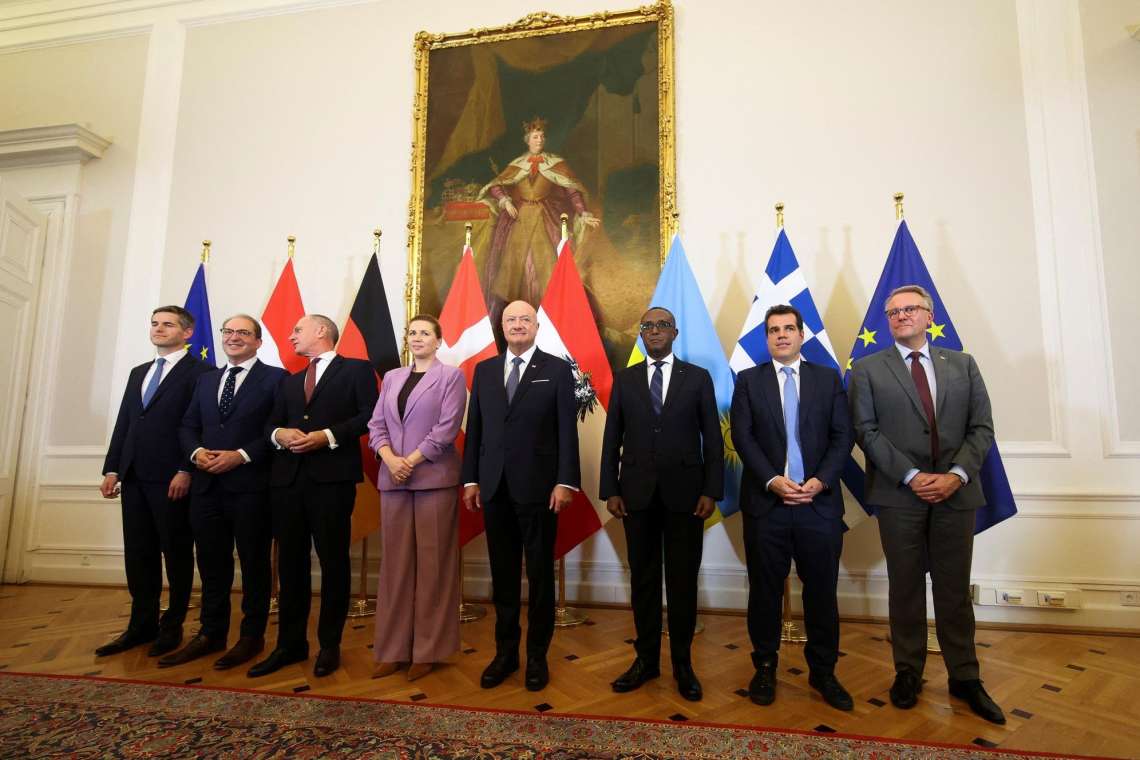
In a press release issued on November 19, the Congolese government expressed concern over an announcement made on November 16 by Germany, Austria, Denmark, Greece and the Netherlands about plans to establish a centre in partnership with Rwanda for migrants subject to return decisions from those European countries.
The DRC government questioned the decision to strengthen cooperation with Rwanda, alleging that the country’s direct involvement in the conflict in eastern Congo had been extensively documented in United Nations Group of Experts reports and had attracted international condemnation and sanctions.
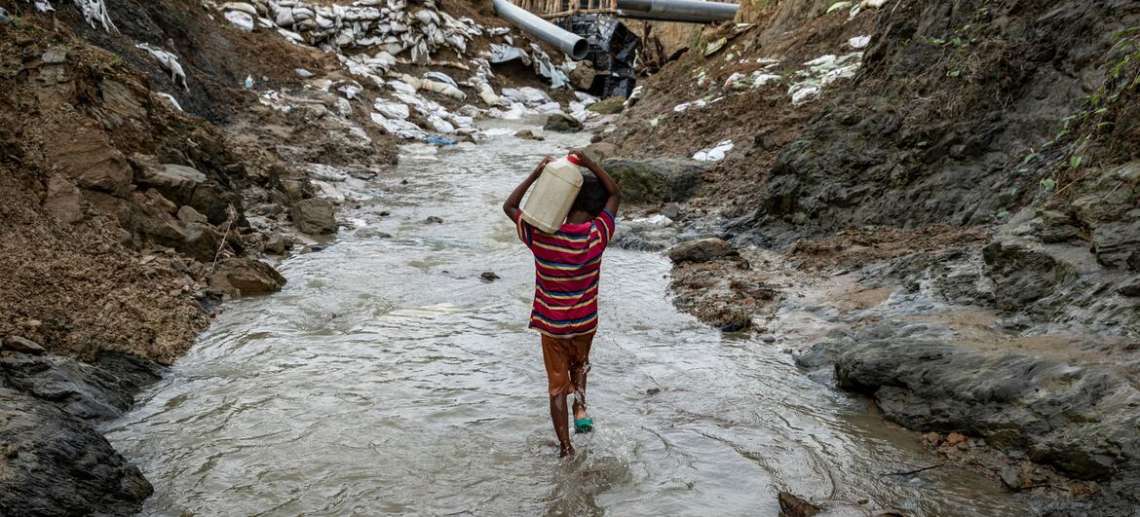
The proposed partnership comes against the backdrop of a prolonged humanitarian crisis in eastern DRC, where fighting involving the AFC/M23 armed group has displaced millions of people and disrupted essential services.
Citing figures from the International Organization for Migration (IOM), the Congolese government said AFC/M23 offensives against Goma, Bukavu and surrounding areas displaced more than 1.15 million people in North Kivu and South Kivu during the first months of 2025.
The figure included more than 660,000 people who had already been displaced and were forced to flee the camps around Goma and Nyiragongo again.
The government also cited UNICEF figures indicating that more than 1.8 million children were out of school because of the conflict in eastern DRC as of the end of May 2025.
It said the figures highlighted the scale of the humanitarian crisis in the eastern part of the country, which it described as continuing to experience offensives by Rwandan armed forces and their AFC/M23 allies.
The Congolese government further referred to United Nations Security Council Resolution 2773 (2025), which it said was adopted unanimously, including with the support of Denmark and Greece.
According to the statement, the resolution called for the immediate withdrawal of Rwandan forces from Congolese territory and an end to their support for the M23 armed group.
The DRC said these demands were consistent with positions taken by the European Union and the European Parliament, as well as sanctions imposed by the United States on the Rwanda Defence Forces and Rwanda’s Ministry of Defence.
Against this background, Kinshasa questioned how European countries that had supported such positions could now consider a partnership expected to bring political and economic benefits to Rwanda.
The government argued that the initiative raised concerns about consistency in international commitments while people in eastern Congo continued to face the consequences of the conflict.
Without disputing the right of European countries to determine their own migration policies, the DRC insisted that such arrangements should remain compatible with international law and respect for the sovereignty of states.
It also called for greater transparency regarding the proposed agreement, requesting clarification on its scope, any financial and political considerations attached to it, and the safeguards intended to prevent any direct or indirect contribution to the continuation of the conflict.
DRC Foreign Affairs Minister Thérèse Kayikwamba Wagner criticised the proposed arrangement and urged European partners to maintain consistency in their international commitments.
“We condemn this proposed partnership with Rwanda and call on our European partners to demonstrate consistency in their international commitments. The DRC remains determined to pursue its diplomatic efforts towards the restoration of its territorial integrity and lasting peace in the region,” she said.
The statement concluded by reaffirming the Congolese government’s commitment to pursuing diplomatic efforts to restore the country’s territorial integrity and achieve lasting peace in the region.
The proposed migration arrangement has therefore raised questions for Kinshasa about the relationship between European migration cooperation and the international commitments concerning the conflict in eastern DRC.