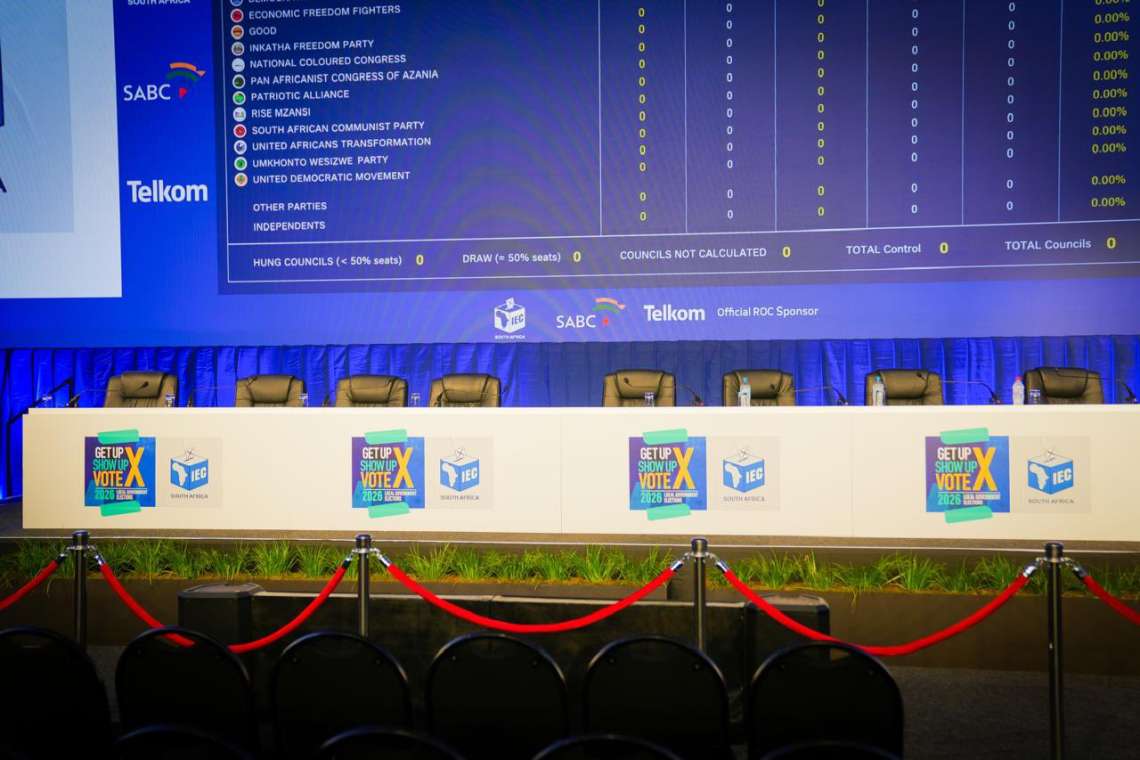

South Africa has begun its 2026 local government elections, with more than 29 million registered voters eligible to cast ballots across nearly 23,700 polling stations…reports Africa Daily News Desk
South Africa’s local government elections began on Wednesday, with more than 29 million registered voters expected to cast their ballots at nearly 23,700 polling stations across the country.
Voting officially opened at 7 am local time (0500 GMT) and is scheduled to continue until 9 pm (1900 GMT). The final results will be announced after the Independent Electoral Commission (IEC) completes the counting and verification process.
The 2026 elections mark the country’s sixth local government polls since the transition to democracy in 1994, according to the IEC. The results will determine the composition of municipal councils across South Africa for the next five years.
The commission conducted special voting on November 2 and 3 to accommodate people unable to visit polling stations on election day. It approved 2.65 million applications, allowing homebound voters to cast their ballots through home visits, while others were permitted to vote early at designated polling stations, Xinhua News Agency reported.
According to IEC figures, candidates are contesting 10,526 municipal council seats across 4,488 electoral wards nationwide.
Political competition intensifies amid fragmented landscape
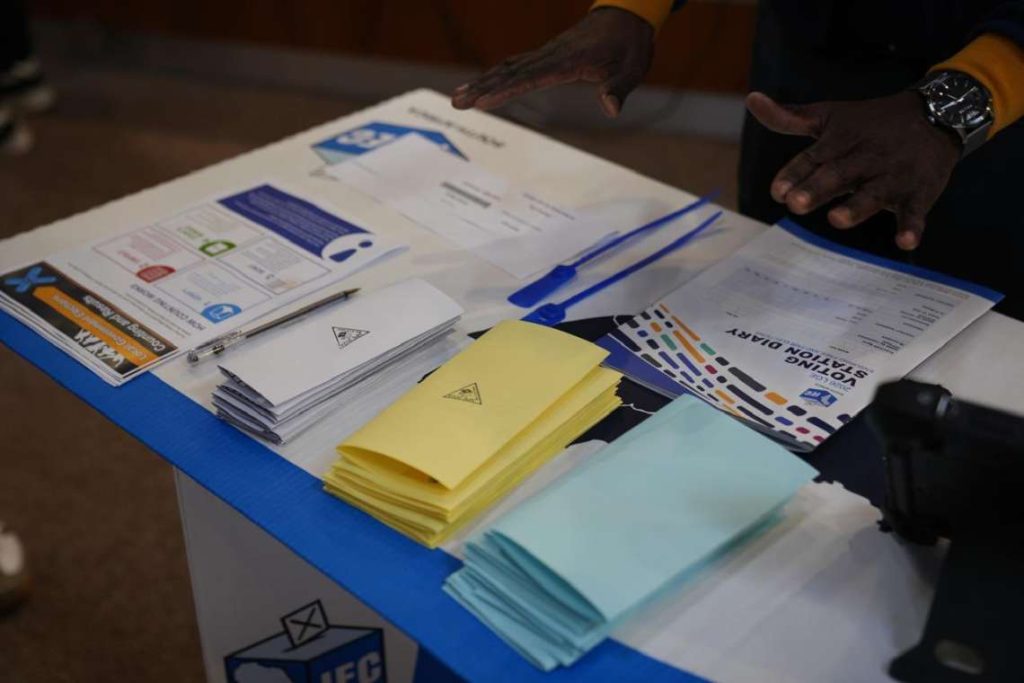
South Africa follows a mixed electoral system combining ward-based voting and proportional representation. Voters choose individual candidates to represent their wards as well as political parties, with additional council seats allocated according to each party’s share of the vote.
Depending on their place of residence, voters receive either two or three ballot papers. Those living in the country’s eight metropolitan municipalities cast two ballots, while voters in other areas receive a third ballot to elect representatives to district municipalities.
South Africa has 257 municipalities, comprising eight metropolitan, 44 district and 205 local authorities. Local government is one of the country’s three spheres of governance, alongside national and provincial administrations.
Municipal councils oversee essential services that directly affect residents’ everyday lives, including water and sanitation, electricity distribution, waste collection and the maintenance of local roads. Some of these responsibilities are shared with other levels of government and public utilities.
Held every five years, local government elections are considered an important indicator of public confidence in political parties and their performance in delivering essential services.
This year’s polls are taking place amid increasing political fragmentation and heightened competition among parties. According to the IEC, 546 political parties and nearly 137,000 candidates are contesting the elections.
The large number of parties and candidates reflects the competitive political landscape, with the outcome expected to shape local governance across the country.
In municipalities where no political party secures an outright majority, coalition negotiations will play a crucial role in determining the composition of local administrations.
The election results will therefore influence not only which parties control municipal councils but also how local governments are formed and how essential services are managed over the next five years.