
Troops deploy as anti-migrant protests turn violent, with police moving to block demonstrations ahead of local elections….reports Africa Daily News Desk
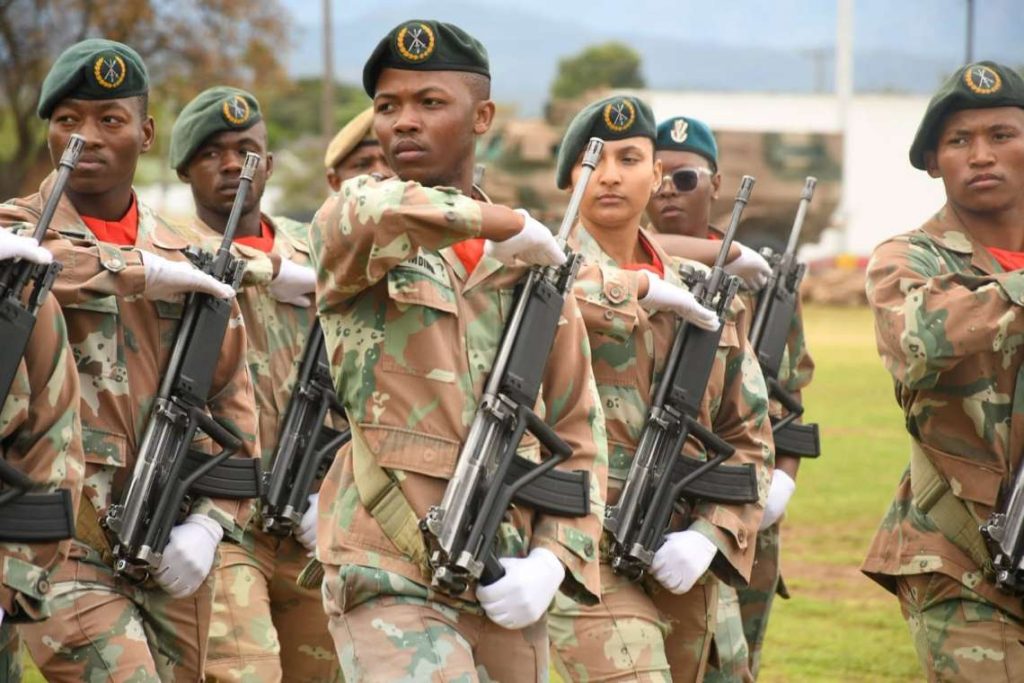
South Africa has deployed 510 soldiers to KwaZulu-Natal as anti-immigrant violence intensifies ahead of local government elections on November 4. Police have also secured a temporary court order restricting demonstrations by an anti-foreigner movement following allegations of a plot to burn down a refugee reception centre in Durban.
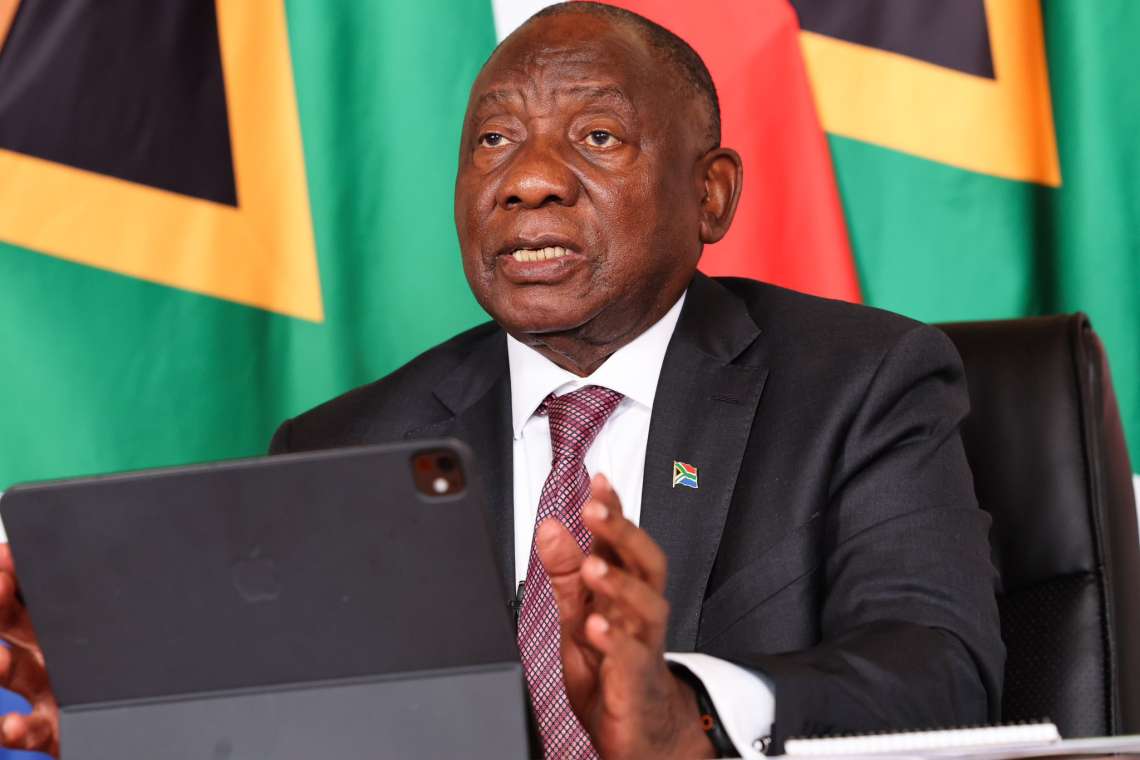
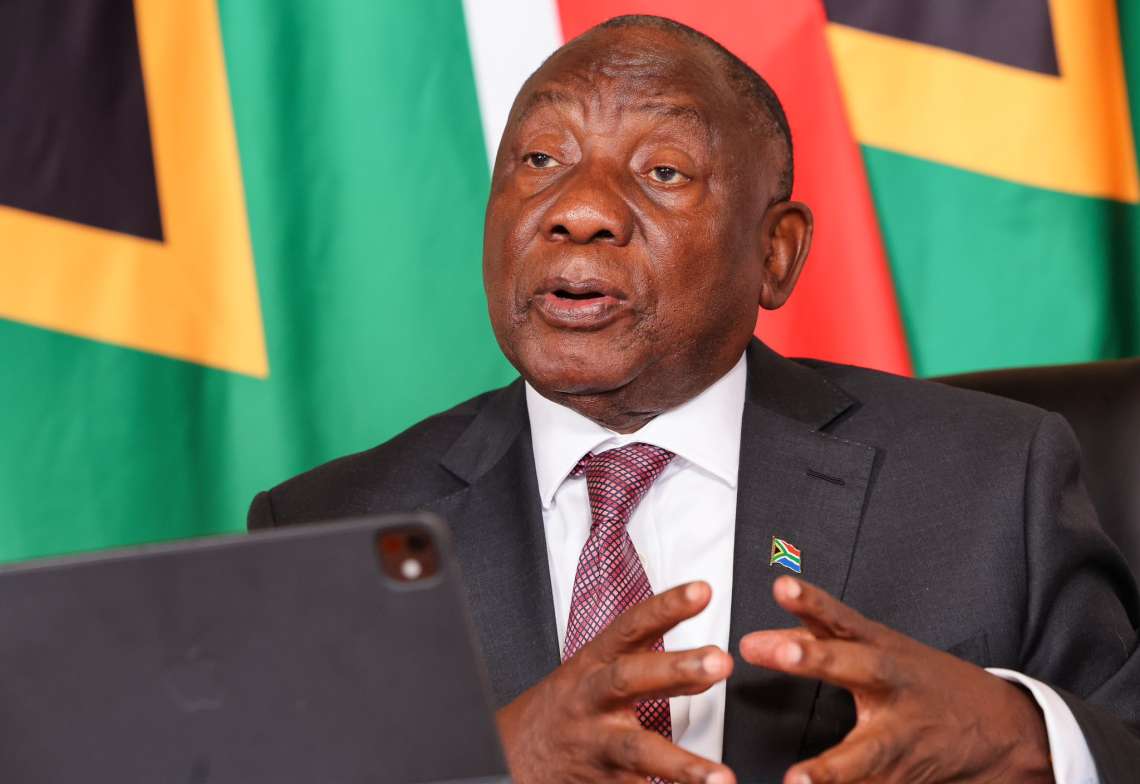
President Cyril Ramaphosa authorised the deployment to the province, where Durban has emerged as a flashpoint for protests, looting and attacks against foreign nationals. The military deployment, under the joint police-military operation known as Operation Prosper, aims to support law enforcement and prevent further violence.
The presidency said the decision followed “recent violent actions arising from a campaign of misinformation” surrounding a Constitutional Court ruling that removed procedural barriers for people seeking asylum in the country.
The deployment began after clashes in Durban and will continue until the end of November. It is expected to cost about 34 million rand ($2 million), with soldiers supporting police operations.
According to the Financial Times, police have obtained a temporary ban on demonstrations organised by the March and March movement, which has led months of protests demanding tougher action against undocumented immigrants, including mass deportations.
The Durban High Court granted the temporary prohibition until Friday, when it will consider whether to extend the restriction and impose further measures against the movement’s leadership.
In court filings, police alleged that supporters were planning to set fire to a state-run refugee reception centre in Durban, where hundreds of displaced people from other African countries had gathered. Provincial police brigadier Thamsanqa Gama said immediate intervention was necessary, warning that authorities could not wait for “the first flames”.
The Financial Times reported that demonstrations had repeatedly turned violent, with at least four foreign nationals killed, vehicles and warehouses set on fire, and dozens of foreign-owned businesses looted.
The movement has rejected the court’s intervention. Its spokesperson, Sandile Dube, described the ban as part of “orchestrated efforts by the government to silence the people’s voices barely days before the local government elections”.
Its founder, Jacinta Ngobese-Zuma, has denied that the organisation supports violence against immigrants, saying it would continue demonstrations until the government addressed public concerns.
The unrest has also become a political issue ahead of the elections, with some politicians capitalising on frustration over unemployment, crime, immigration and pressure on public services. Johannesburg mayoral candidate Herman Mashaba has promised tougher deportation measures under a “South Africans first” campaign.
The Associated Press reported that protests against the Constitutional Court ruling took place in KwaZulu-Natal and Gauteng on October 8. In Durban, riot police were deployed after foreign-owned shops were looted. Police also reported that a foreign national was beaten to death by a group of about 50 people during a march in the city centre.
Military support for police operations is not unprecedented in South Africa. Earlier this year, Ramaphosa authorised a wider deployment under Operation Prosper across five provinces to tackle gang violence and illegal mining.
The latest intervention highlights the government’s challenge in containing anti-immigrant violence while addressing public concerns over immigration and security. With elections approaching, authorities face mounting pressure to protect vulnerable communities and prevent further attacks.
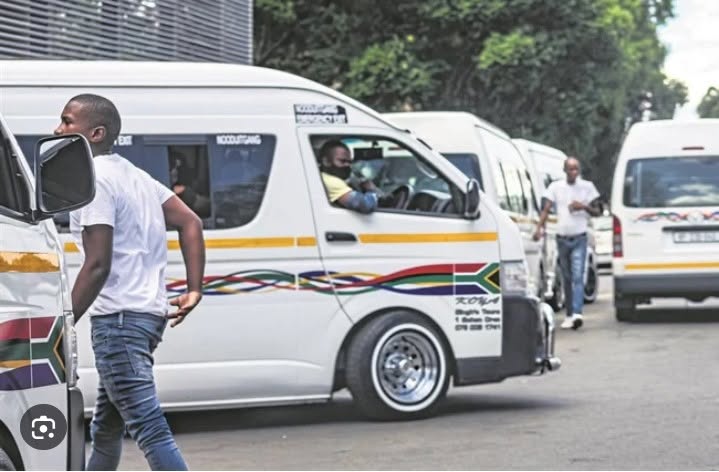
Taxi Wars Turn Deadly
South Africa’s Parliament has condemned a fresh outbreak of taxi-related violence in the Western Cape after five men were killed and four others injured in shootings across Cape Town. The incidents have raised concerns over commuter safety and disrupted transport services.
The shootings took place on Thursday, including one at the Delft taxi rank, amid wider violence reported in Gugulethu, Khayelitsha, Epping and Bonteheuwel in recent weeks.
Donald Selamolela, chairperson of Parliament’s Portfolio Committee on Transport, expressed condolences to the victims’ families and urged law enforcement agencies to increase their presence until normality is restored. He also called on national taxi industry bodies to intervene and prevent further violence.
The unrest disrupted operations at Cape Town International Airport on Friday. Airports Company South Africa reported 60 flight delays by 13:00, including 44 domestic departures, 11 international departures and five arrivals. Average delays were about 60 minutes, with no cancellations.
Meanwhile, the Western Cape High Court granted an interim interdict against two taxi associations, the Cape Amalgamated Taxi Association (CATA) and the Congress of Democratic Taxi Associations (CODETA). The order prohibits violence, intimidation, road blockades, interference with transport services, unlawful route takeovers and property damage. The associations have until November 20 to explain why it should not become final.
Western Cape Mobility Minister Isaac Sileku said the government had approached the court after earlier efforts to stop the violence failed.
In a separate measure, the provincial taxi registrar suspended the registration of the CATA Langa Inter-township Taxi Association for six months following an inquiry into alleged unlawful operations in Epping.
Selamolela urged operators to prioritise safe and reliable services, stressing the industry’s importance to communities dependent on affordable public transport.