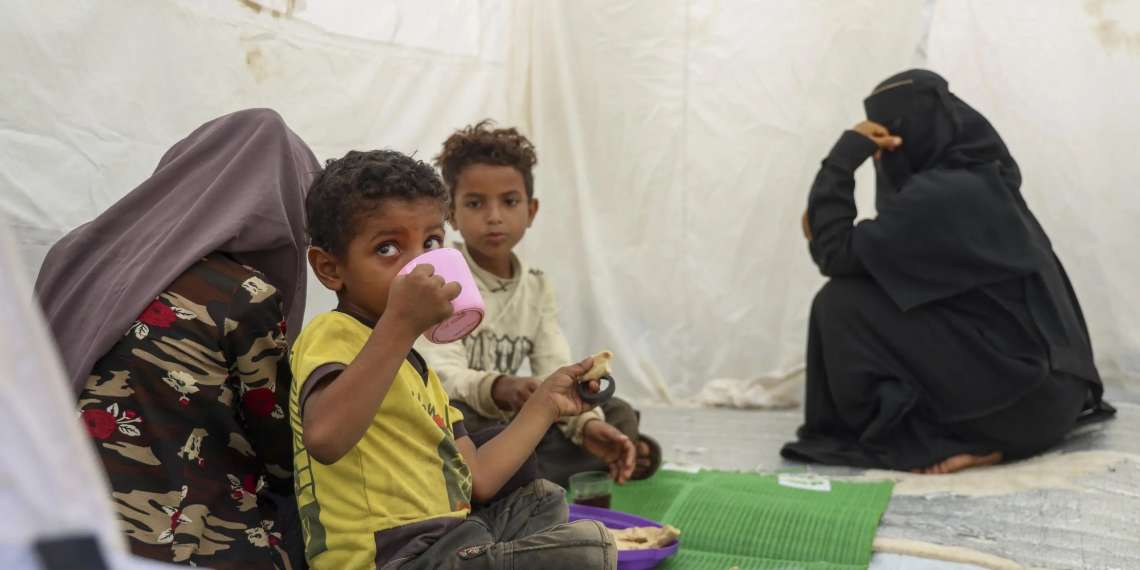

Yemen’s Taiz faces a deepening humanitarian crisis as food prices rise 50%, supplies dwindle and disease outbreaks strain already struggling health services….reports Africa Daily News Desk
Yemen’s southwestern city of Taiz is facing a devastating humanitarian crisis as escalating conflict disrupts supplies, drives up food prices and threatens access to essential services, the United Nations has warned. Wheat and flour stocks could run out in less than three weeks, while food prices have reportedly risen by around 50 per cent.
Taiz, Yemen’s third-largest city, has been a major battleground between the Iran-backed Houthi movement and the internationally recognised government, backed by Saudi Arabia, since the war began in 2014.
Also Read: UN Chief Condemns Rising Attacks On Civilian Shipping
The Houthis have besieged the city since 2015 and tightened their blockade earlier this month by taking control of the last main road connecting Taiz with other government-held areas. The move forms part of a broader offensive launched by the Houthis in early September to capture strategic territory along Yemen’s southwestern Red Sea coast.
The worsening restrictions have disrupted the movement of essential goods, leaving residents facing shortages of food, cooking gas and fuel. Cooking gas has become largely unavailable, while petrol prices have tripled, according to the UN.
Fuel shortages are also threatening water supplies and health services, raising concerns about the impact on an already vulnerable population.
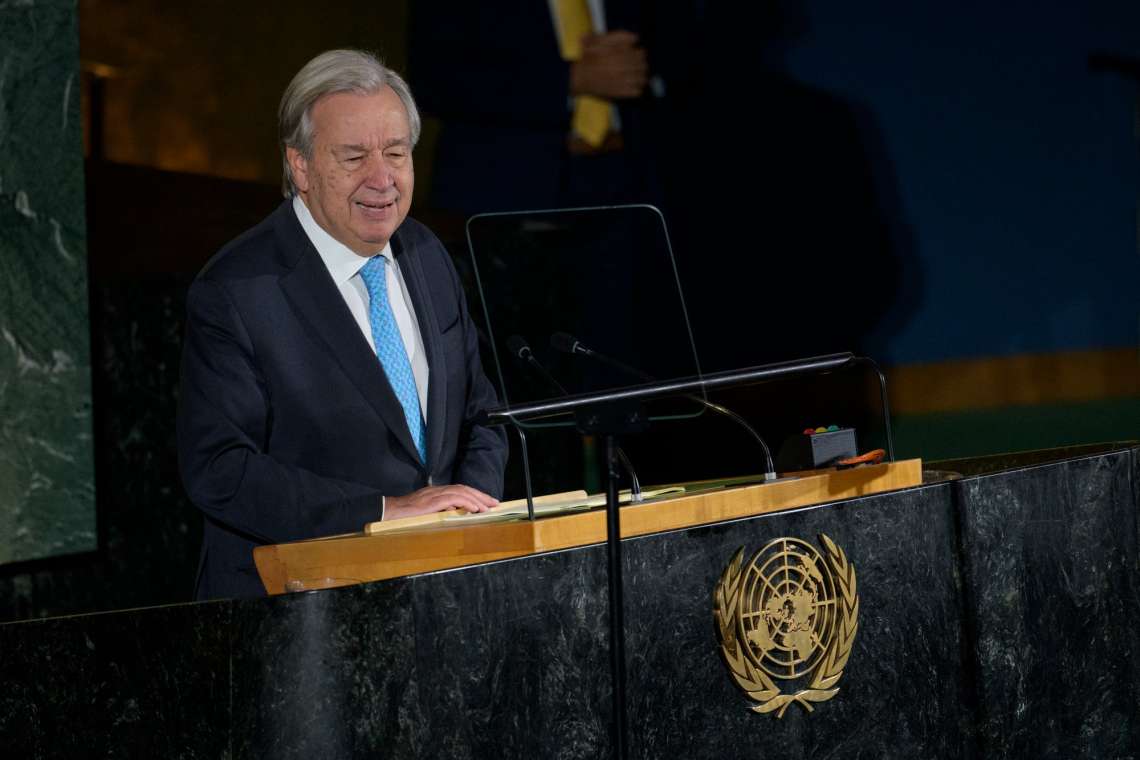
UN spokesperson Stéphane Dujarric called on the warring parties to protect civilians and essential infrastructure.
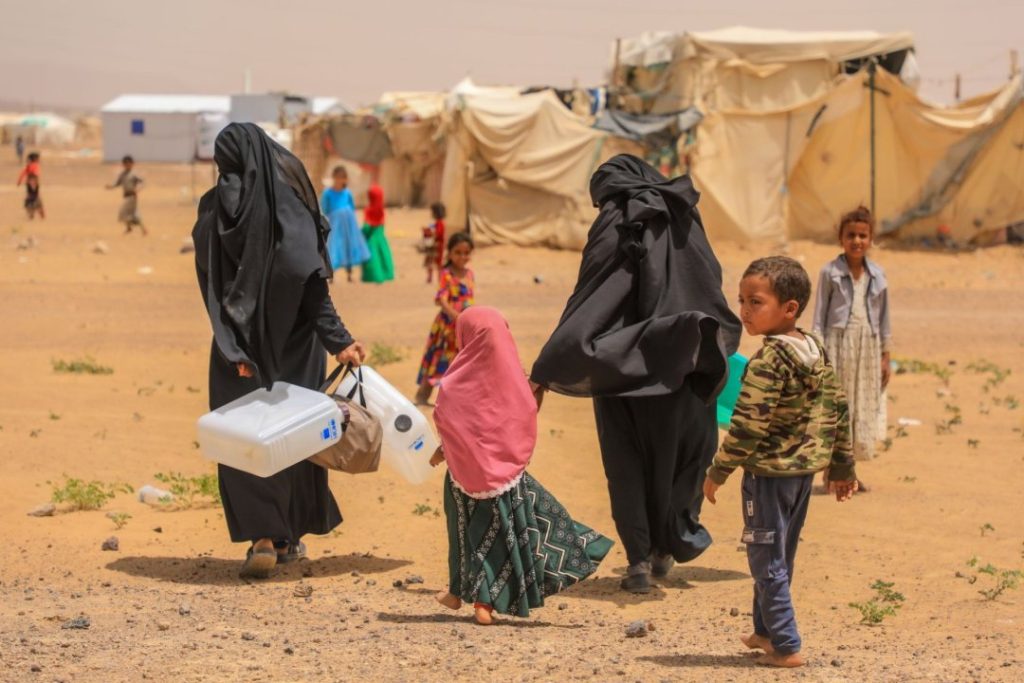
“We continue to urge [the parties] to…uphold their obligations under international humanitarian law and to refrain from direct attacks against civilians and civilian infrastructure and take constant care to spare both civilians and the infrastructure they use,” he said on Tuesday.
The crisis in Taiz is unfolding amid wider humanitarian challenges across Yemen, where escalating conflict and mass displacement have disrupted healthcare and forced people into overcrowded shelters with inadequate access to safe water.
The situation has contributed to a rise in cholera cases, with the World Health Organization (WHO) reporting 8,034 suspected cases and 27 deaths across the country this year. A quarter of the reported cases occurred in the past four weeks.
Since August, around 200,000 people have been displaced, coinciding with a sharp increase in cholera transmission, according to the WHO.
Children are also at risk from measles. Yemen has recorded more than 22,800 suspected cases and 128 deaths from the disease this year. Vaccination coverage remains critically low, with an estimated 45 per cent of children receiving each of the two recommended doses.
Health facilities are struggling to cope with the growing burden of disease while continuing to treat thousands of people injured in the fighting. The WHO found that approximately 500 health facilities across nine affected governorates lack support from partner organisations.
Also Read: Trump’s Somaliland Remarks Fuel Hopes For Closer US Ties
The agency is working with the Yemeni government to strengthen disease surveillance, testing and treatment. However, its 90-day emergency response plan remains severely underfunded.
The WHO requires $31 million for the response but has received only $4.3 million, representing less than 14 per cent of the total funding needed.
Dr Annette Heinzelmann, a WHO official, warned that the situation could deteriorate without urgent assistance.
“Without urgent funding and unimpeded access to safe water, vaccination and essential health services, outbreaks could spread rapidly among already vulnerable communities,” she said.
The combination of conflict, restricted supply routes, rising prices and disease outbreaks is intensifying pressure on communities across Yemen, with the situation in Taiz highlighting the growing risks faced by civilians as fighting continues.