
DR Congo reported 6.1 million internally displaced people and more than 1.3 million Congolese refugees across Africa as insecurity continues in the east….reports Africa Daily News Desk
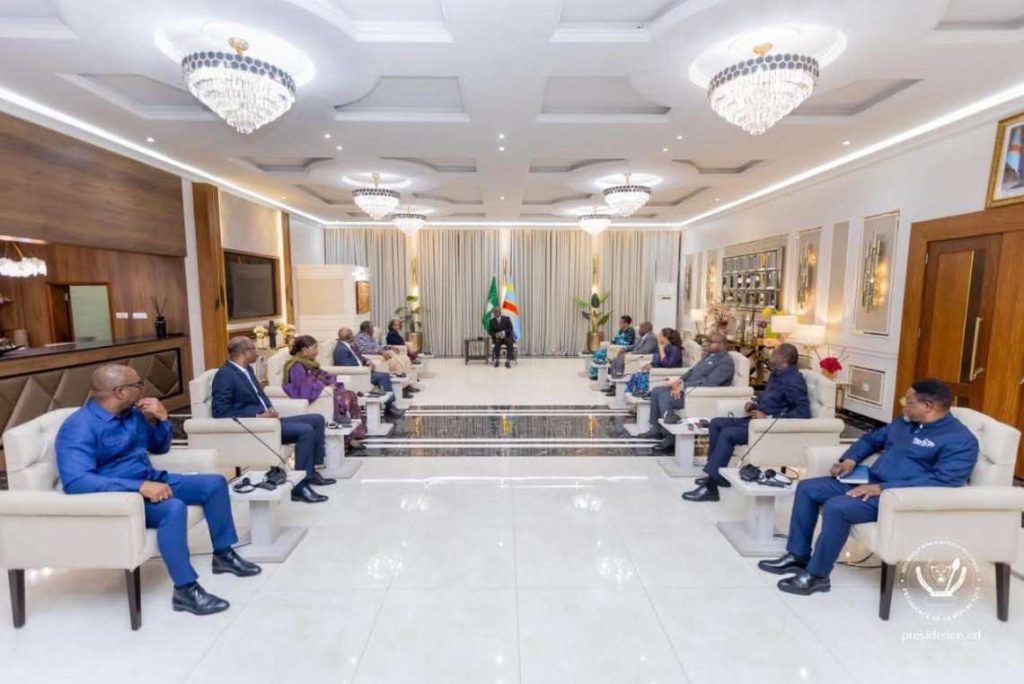
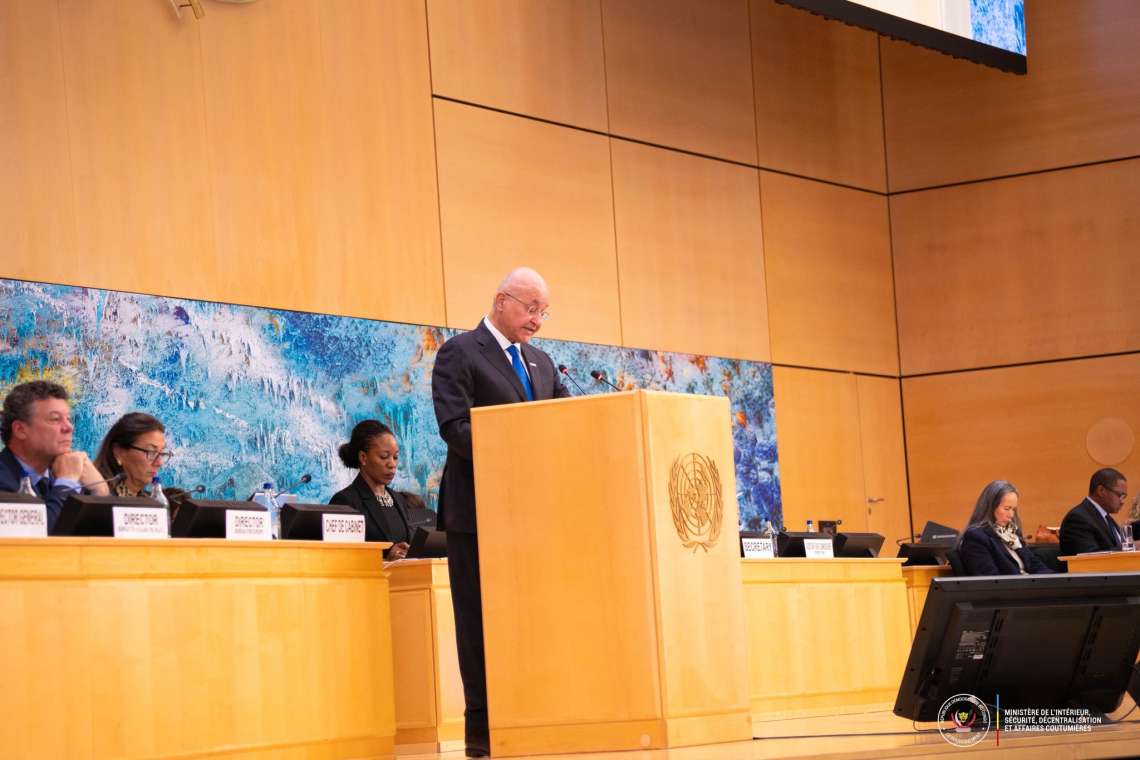
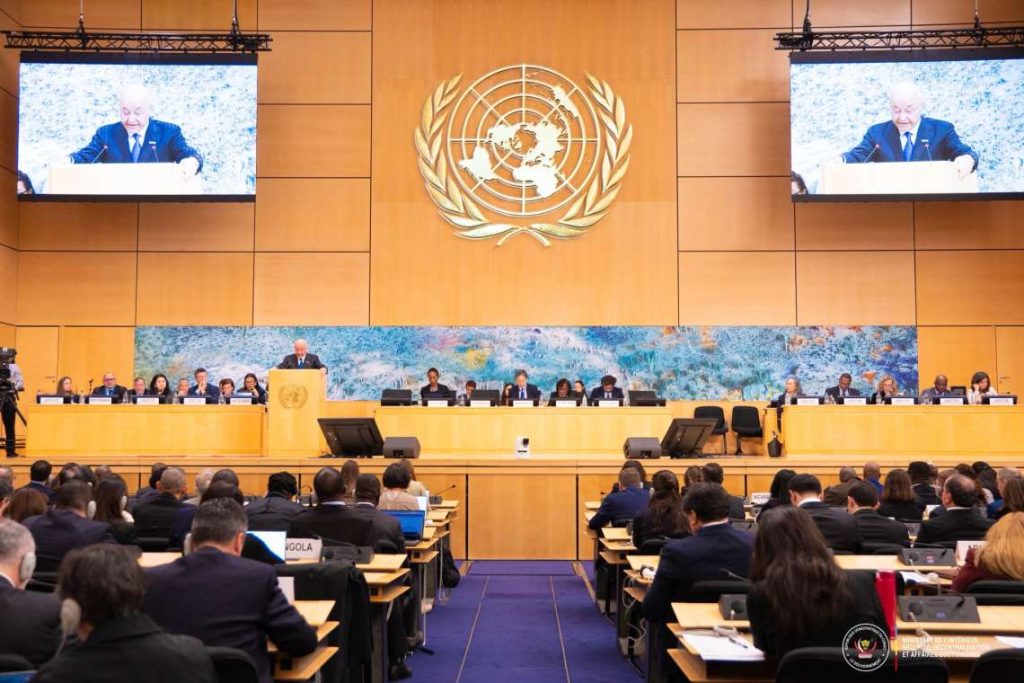
The Democratic Republic of Congo (DR Congo) had 6.1 million internally displaced people as of August 31, 2026, amid continuing insecurity and humanitarian challenges, Deputy Prime Minister Jacquemain Shabani Lukoo Bihango told the United Nations High Commissioner for Refugees (UNHCR) Executive Committee in Geneva.
Addressing the committee’s 77th session on Monday, October 12, Shabani highlighted the impact of clashes in North Kivu and South Kivu, particularly those involving the AFC/M23 armed group, which the Congolese government says is supported by the Rwandan army.
According to figures presented by the deputy prime minister, 1,324,528 Congolese refugees were living in other African countries, while DR Congo was hosting 601,675 refugees and asylum seekers.
The figures underline the scale of displacement affecting the country, where ongoing insecurity continues to create humanitarian needs and complicate efforts to support displaced communities and facilitate returns.
DR Congo outlines progress on refugee commitments
During his address, Shabani outlined measures taken by the Congolese government to implement commitments made in December 2023 under the Global Compact on Refugees.
These included simplifying procedures for determining refugee status and improving refugees’ access to public services. He also highlighted the resumption of tripartite consultations and efforts to promote the disengagement and repatriation of combatants belonging to the Democratic Forces for the Liberation of Rwanda (FDLR).
The Global Compact on Refugees is an international framework aimed at improving cooperation and responsibility-sharing in responding to refugee situations. Its objectives include easing pressure on host countries, strengthening refugee self-reliance and supporting conditions for safe and dignified returns.
Government seeks international support for returns
Shabani said more than 74,000 people who had voluntarily returned to their areas of origin had already been received by the government.
However, he called on the UNHCR and international partners to increase financial and technical assistance to support sustainable reintegration, strengthen host communities and improve mechanisms for return and resettlement.
The government said further support was needed to help returning populations rebuild their lives and to ensure that communities receiving them had the resources to respond to their needs.
The deputy prime minister’s participation in the Geneva meeting formed part of an official mission to Switzerland. His address focused on the humanitarian consequences of the security situation, progress in meeting refugee-related commitments and the need for continued international cooperation.
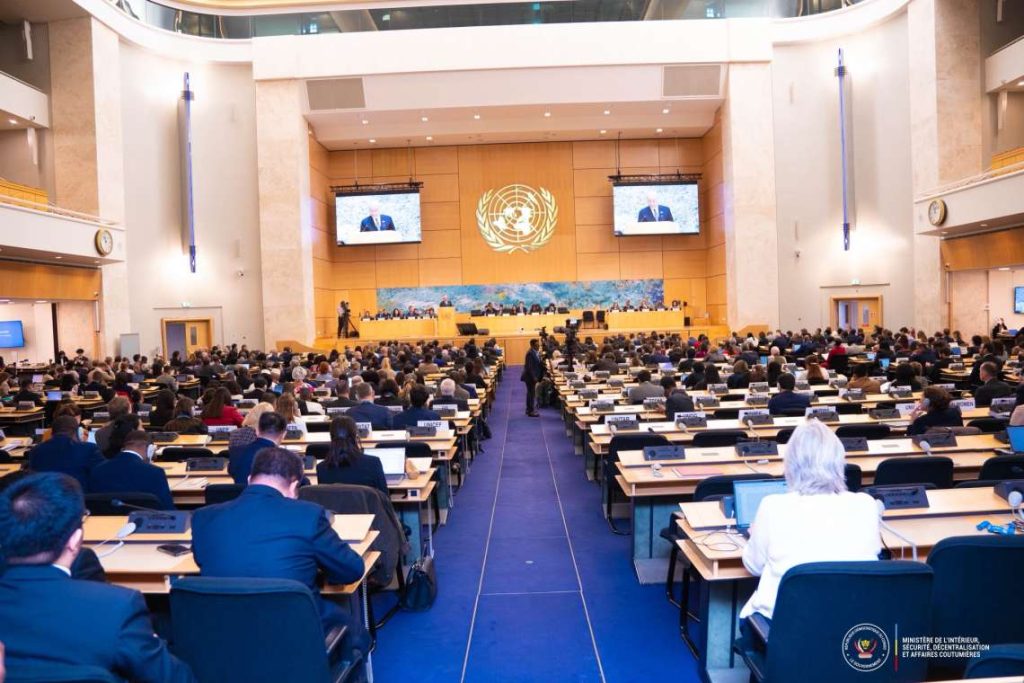
The UNHCR Executive Committee brings together member states to discuss refugee protection and the work of the UN refugee agency. The latest session provided a platform for the Congolese government to present its assessment of displacement and call for stronger support for return and reintegration efforts.