
The African Union calls for restraint and dialogue as tensions involving Ethiopia, Eritrea and Egypt intensify amid renewed fighting and longstanding regional disputes…reports Africa Daily News Desk
The African Union has urged Ethiopia, Eritrea and Egypt to exercise restraint and resolve their differences through diplomacy, as a series of expulsions of diplomats and renewed fighting in northern Ethiopia raise concerns about regional stability.
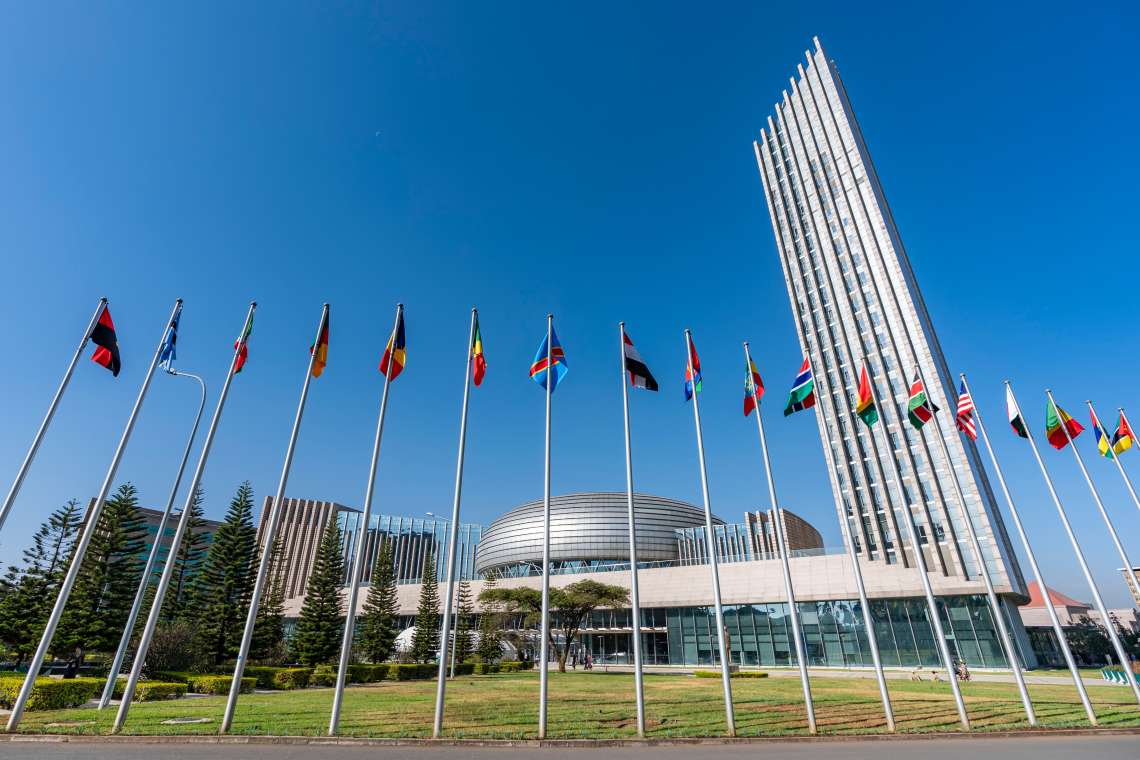
The AU Commission said it was closely monitoring the heightened tensions and warned all three countries against actions or statements that could further escalate the situation.
In a statement, the continental body called on the governments to preserve communication channels and use established diplomatic mechanisms to resolve their differences peacefully.
“The AU Commission stands ready, in consultation with the countries concerned, to support efforts towards de-escalation, dialogue and the peaceful resolution of differences,” it said.
The appeal comes amid a sharp deterioration in relations between Ethiopia and Eritrea, alongside a separate diplomatic dispute involving Egypt. Ethiopia has closed its embassy in Eritrea and ordered 10 Eritrean diplomats to leave the country, prompting Eritrea to sever diplomatic relations with its neighbour. Both developments were reported on Thursday.
Diplomatic expulsions
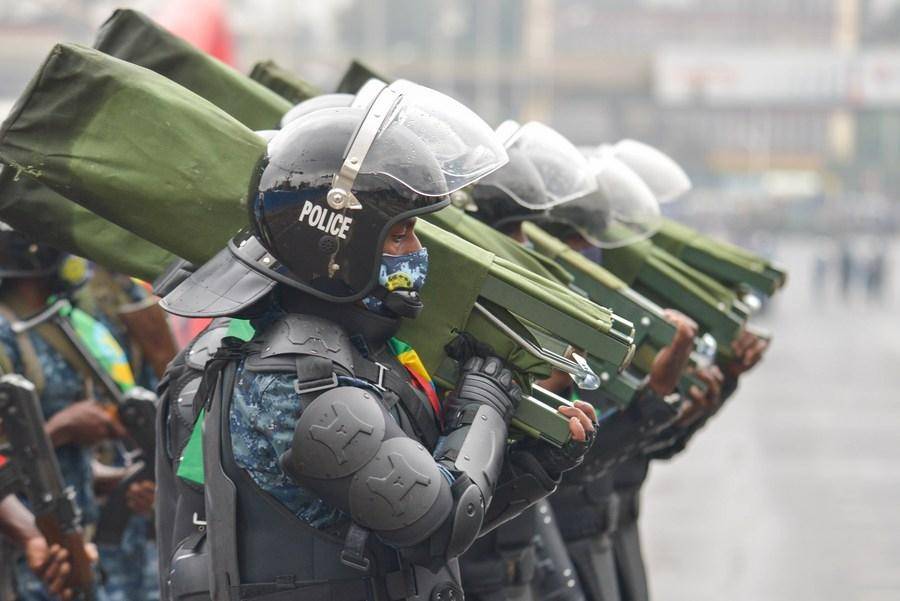
The dispute between Addis Ababa and Asmara has intensified as fighting has resumed in Ethiopia’s northern Tigray region, where the Ethiopian government is confronting the Tigray People’s Liberation Front (TPLF) and allied armed groups.
Ethiopia has accused Eritrea, Sudan and Egypt of supporting forces opposing the federal government. The allegations have heightened concerns that the conflict could draw neighbouring countries into a wider confrontation.
Eritrea has denied involvement in supporting the TPLF-led opposition. The accusations against Egypt and Sudan have also been disputed, and the reported diplomatic measures have further strained relations across the region.
The diplomatic fallout has extended beyond Ethiopia and Eritrea. Ethiopia expelled an Egyptian diplomat, while Cairo responded by declaring an Ethiopian embassy official persona non grata and ordering the official to leave within 48 hours, according to Reuters.
The exchanges underline the growing strain between countries whose relations are shaped by security concerns, competing regional interests and longstanding disagreements over access to strategic resources.
Fears of wider instability
The latest diplomatic tensions coincide with renewed hostilities in northern Ethiopia, threatening the peace agreement signed in Pretoria in November 2022 between the Ethiopian federal government and the TPLF.
The agreement ended two years of devastating conflict, but disputes over political authority, security arrangements and the implementation of its provisions have remained unresolved.
Recent fighting has disrupted civilian transport and essential services, while reports of clashes and the seizure of key locations have raised fears of further displacement. The African Union had already expressed concern over the escalation in northern Ethiopia in a statement issued on 23 September, warning that renewed hostilities could reverse progress towards peace.
The risk extends beyond the immediate conflict zone. Ethiopia and Eritrea fought a devastating border war between 1998 and 2000, before signing a peace declaration in 2018. Their relationship subsequently deteriorated again, with disputes over regional security and Ethiopia’s pursuit of reliable access to the Red Sea adding to tensions.
A renewed confrontation between the neighbours could complicate efforts to restore stability in the Horn of Africa, a region already affected by armed conflict, displacement and fragile political relationships.
Nile dispute adds another layer
Egypt’s involvement in the current diplomatic tensions also comes against the backdrop of its longstanding dispute with Ethiopia over the Grand Ethiopian Renaissance Dam (GERD) on the Blue Nile.
Ethiopia inaugurated the $5 billion hydropower project in September 2025, describing it as central to its electricity generation and economic development. Egypt, which depends heavily on the Nile for its water supply, has argued that the dam’s filling and operation require a binding agreement to protect downstream water security. Ethiopia maintains that the project is essential for development.
The dispute has remained unresolved despite years of negotiations and international mediation efforts. Sudan is also directly affected by the dam’s operation, making cooperation among the Nile Basin countries important for water management and regional development.
The AU’s latest statement does not set out a specific settlement proposal or identify individual countries as responsible for the escalation. Instead, it emphasises restraint, continued communication and peaceful dialogue under the principles of the African Union’s Constitutive Act.