
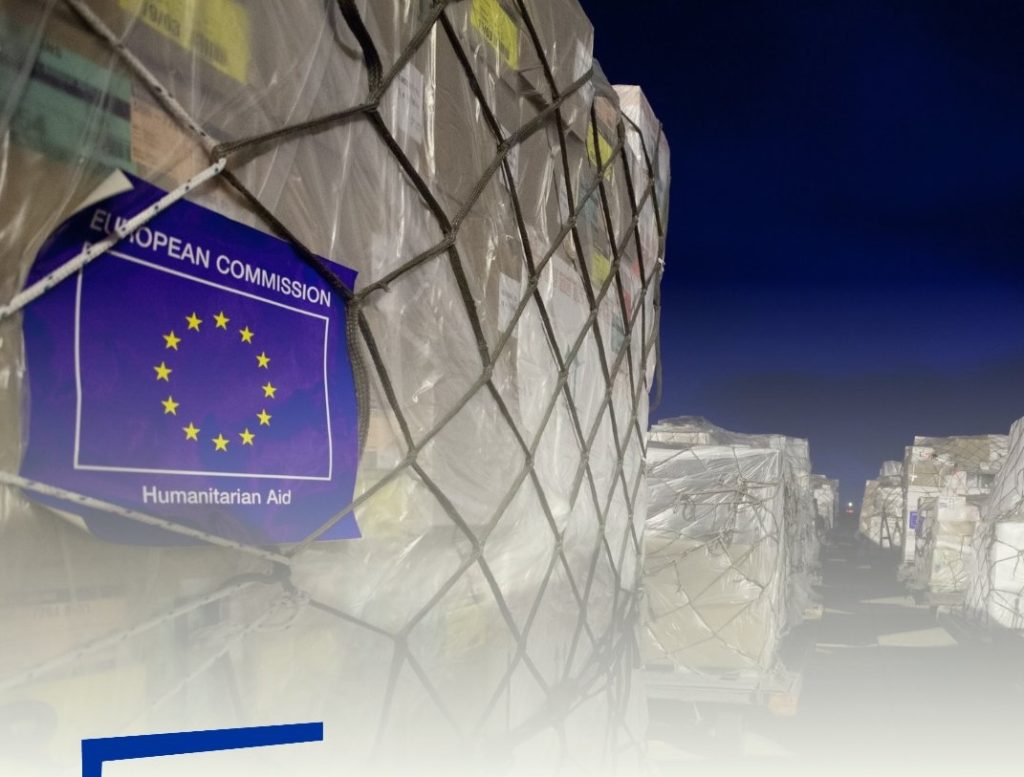
The European Union is providing €61 million in humanitarian aid to Ethiopia as fears of renewed conflict in the north grow….reports Africa Daily News Desk
The funding will support people affected by conflict, displacement, disease outbreaks and climate-related hazards, including the effects of El Niño, according to the European Commission.
The announcement comes as the EU raises concerns about a deteriorating security situation in northern Ethiopia. The bloc said it had received reports of military activity in several locations and the takeover of airports in Mekelle, Axum and Shire in Tigray by Tigray People’s Liberation Front forces.
The EU has also expressed concern over several drone strikes carried out by the Ethiopian National Defence Force in recent weeks. In a statement on September 23, the bloc called for immediate de-escalation and urged all sides to resolve differences through dialogue rather than military action.
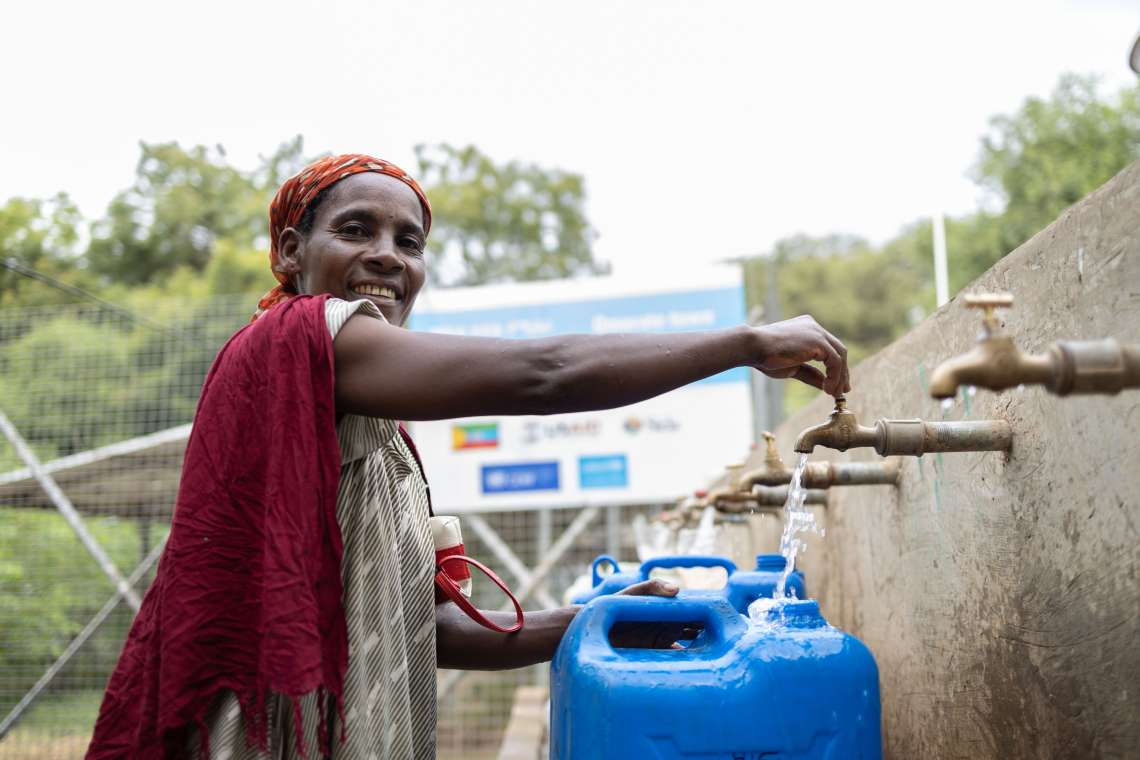
The humanitarian funding will provide emergency food and nutrition assistance, healthcare, water and sanitation services, protection, shelter and essential household items. It will also support education during emergencies and strengthen rapid responses to sudden crises, as well as disaster preparedness and early action.
Particular attention will be given to people recently displaced by conflict, refugees and communities hosting displaced populations.
Humanitarian needs remain high across Ethiopia, particularly in conflict-affected and hard-to-reach areas. The EU identifies Amhara, Benishangul-Gumuz, Oromia and Tigray among areas facing significant needs.
Ethiopia also hosts more than one million refugees, while conflicts in neighbouring Sudan and South Sudan have contributed to sudden movements of people into the country. Droughts, floods and disease outbreaks add further pressure on communities already facing food insecurity and limited access to essential services.
The EU has stressed that international humanitarian law must be respected, including the protection of civilians and the independence and impartiality of humanitarian operations. It has also condemned attacks affecting humanitarian convoys and restrictions on humanitarian access.
EU Commissioner for Preparedness and Crisis Management Hadja Lahbib said civilians should not have to bear the consequences of renewed conflict.
“People in Ethiopia have already paid far too high a price for conflict, displacement and hunger,” Lahbib said. “As tensions rise again in the north, civilians cannot be made to pay that price once more.”
She called for urgent de-escalation and stressed that humanitarian assistance must be allowed to reach those in need.
The EU said the latest allocation brings its total humanitarian aid to Ethiopia in 2026 to €61 million. The funding includes an additional €18 million announced as part of a wider package unveiled by European Commission President Ursula von der Leyen following the UN General Assembly High-Level Week in New York. The funding remains subject to approval by the EU Budgetary Authority.
The wider package announced by von der Leyen amounted to almost €710 million for displaced people and communities in sub-Saharan Africa, as well as emergency assistance for people affected by crises worldwide.
The EU said its humanitarian response in Ethiopia also includes support for rapid emergency operations, disaster preparedness and measures designed to strengthen communities’ ability to respond to future shocks.